
Pruning
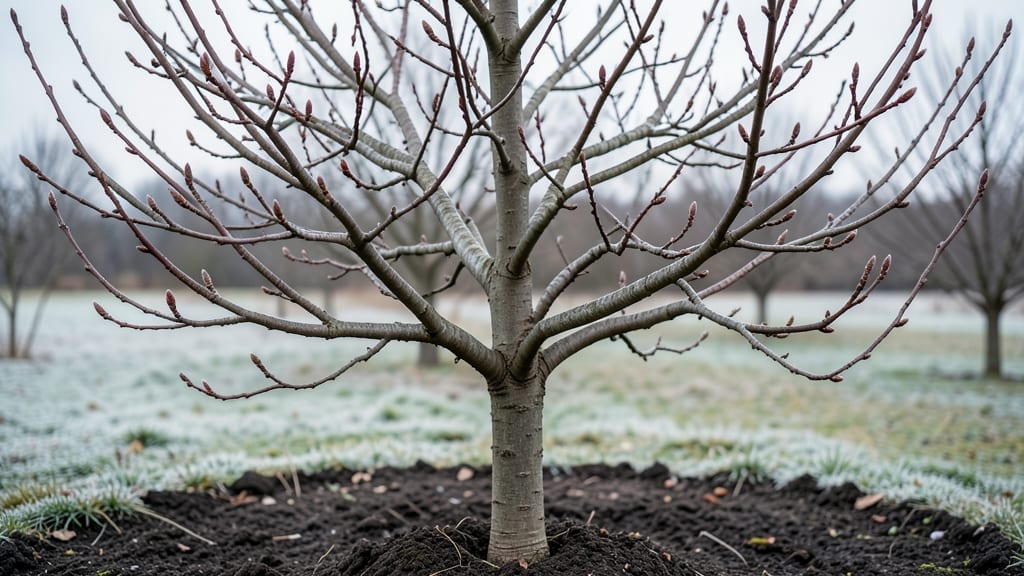
Winter is the perfect time to prune your apricot tree—when its branches are bare and energy is stored for spring blooms. ✂️ I’ve pruned mine every January for years, and the difference in fruit production is shocking.
The key is working while the tree is dormant, so you don’t risk inviting pests or diseases into fresh cuts.
You’ll need sharp pruning shears, a ladder (for taller trees), and a bucket to collect branches. Focus on removing dead, crossing, or weak limbs first—these are the ones that steal energy from fruit production.
Aim to open the center of the tree to sunlight and air, which prevents fungal issues and encourages stronger growth.
After pruning, your apricot tree will reward you with healthier branches and more abundant blooms by spring. The cuts heal faster in cold weather, and you’ll avoid the stress of pruning during the tree’s active growing season.
Just be sure to seal larger cuts with pruning paint to prevent disease entry.
This method works for both young trees and mature ones, though younger trees need more frequent shaping. Mulch heavily around the base after pruning to protect roots from winter temperature swings. By spring, you’ll see new growth where you made your cuts—proof that winter prep pays off big time.
📚 In This Guide
- What you need
- Instructions
- Tips and common mistakes
- Wrapping up and next steps
What you need
- ● Pruning shears: Sharp, bypass-style shears (for cuts up to ½ inch thick). Quantity: 1 pair (sterilize with rubbing alcohol between cuts).
- ● Loppers: Heavy-duty, bypass or anvil-type (for thicker branches, ¾–1½ inches). Quantity: 1 pair.
- ● Pruning saw: Curved-tooth saw (for branches >1½ inches). Quantity: 1.
- ● Gloves: Cut-resistant or gardening gloves (to protect hands from thorns and sap). Quantity: 1 pair.
- ● Disinfectant: 70% isopropyl alcohol or bleach solution (1 part bleach to 9 parts water). Quantity: Small spray bottle.
- ○ Pruning sealant: Tree wound paint (optional but helpful for large cuts >2 inches). Quantity: Small jar.
- ● Ladder or step stool: Sturdy, non-slip (if tree is >6 feet tall). Quantity: 1.
- ● Trash bags: Heavy-duty (for removing pruned branches). Quantity: 2–3.
- ● Notebook & pencil: To sketch a pruning map of your tree’s structure.
- ● Pole pruners: Extendable shears (for high branches).
- ● Safety glasses: To shield eyes from debris.
- ● Rake or broom: For clearing fallen leaves/branches post-pruning.
- ● Tree growth regulator: (e.g., dormant oil spray) to protect against pests.
Step-by-Step guide to pruning your apricot tree in winter
Winter's the perfect time to shape your apricot tree—here's how to do it right for bigger harvests next year.
✂️ Step 1: Assess the Tree and Identify Branches to Remove
Start by examining your apricot tree while it's dormant. Look for branches that are dead, diseased, or crossing—these are your first targets. Dead branches snap easily when bent, while diseased ones may have dark spots or oozing sap. Crossing branches rub against each other, creating wounds that invite pests and disease.
Next, spot water sprouts—those fast-growing, vertical shoots that steal energy from fruiting branches. These are usually thinner and grow upright like arrows. Mark these for removal with a small piece of tape or a stick in the ground. You'll also want to thin out branches that grow inward toward the center of the tree, as they block sunlight and air circulation.
✂️ Step 2: Sterilize Your Tools and Make Clean Cuts
Before you make a single cut, sterilize your pruning shears and saw with rubbing alcohol or a 10% bleach solution. This prevents spreading disease from one branch to another. Sharp tools make cleaner cuts that heal faster, so hone your shears on a file or sharpening stone if needed.
When pruning, always cut just outside the branch collar—that swollen area where the branch meets the trunk. Avoid leaving stubs, as they can rot and attract pests. For branches thicker than your wrist, use a pruning saw to make a clean cut. Make the cut on the underside of the branch at a slight angle to encourage water runoff and prevent rot.
✂️ Step 3: Thin Out and Shape the Tree for Better Airflow
Start by removing 20-30% of the tree’s total branches to open up the canopy. Focus on thinning from the inside out—this improves airflow and sunlight penetration, which reduces humidity and disease risk. Cut branches back to a side branch or bud that faces outward to maintain an open, vase-like shape.
For apricot trees, aim to keep the strongest, most productive branches. Look for branches with thick bark and a healthy green color—these are your keepers. Avoid cutting back more than one-third of a branch’s length in a single season, as this can stress the tree. Step back often to visualize the tree’s shape and ensure sunlight reaches the center.
✂️ Step 4: Clean Up and Apply Wound Care
After pruning, gather all the debris and remove it from the area—don’t leave branches on the ground, as they can harbor pests and disease. Sterilize your tools again before storing them to keep them ready for next season. For larger cuts, apply a wound sealant or pruning paste to protect the tree from bacterial infections, though many gardeners skip this step for apricot trees, as they heal well on their own.
Finally, water the base of the tree deeply but gently to help it recover from the pruning stress. Avoid heavy watering right after pruning, as wet wounds are more susceptible to infection. Mulch around the base with 2-3 inches of organic mulch, keeping it a few inches away from the trunk to prevent rot.
⏰ Step 5: Monitor and Prepare for Spring Growth
Keep an eye on your apricot tree in the coming weeks as it begins to wake up from dormancy. Look for new bud swell—this is a sign the tree is recovering well. If you notice any oozing sap or unusual discoloration on the cuts, apply a second coat of wound sealant to prevent infection.
Plan to fertilize your apricot tree in early spring once new growth appears, using a balanced, slow-release fertilizer. Avoid heavy fertilization right after pruning, as this can stress the tree further. With proper winter pruning, your apricot tree will reward you with stronger branches, better airflow, and more abundant blooms next season.
Tips & tricks for perfect winter apricot tree pruning
Winter pruning sets the stage for next year's harvest—here's how to make every cut count for stronger growth.
Timing is Everything: Prune during the dormant season when the tree isn't actively growing, ideally between late winter and early spring before buds swell. This timing minimizes stress and prevents disease entry points. I always aim for February in most climates, but adjust based on your last frost date—wait until after the coldest period but before buds begin to open.
Visual Cues for Healthy Branches: When assessing branches in Step 1, look for thick bark and green color as indicators of healthy, productive branches to keep. Dead branches snap when bent, while crossing branches often have callused areas from rubbing. Water sprouts typically grow straight up and are much thinner than fruiting branches—these are prime candidates for removal. The key is to visualize the tree's shape from all angles before making cuts.
Tool Maintenance Matters: Sterilizing tools between cuts in Step 2 isn't just about disease prevention—it's about tool longevity. I keep a small bottle of rubbing alcohol in my pruning kit and wipe blades after every 3-5 cuts. For larger branches, a sharp pruning saw makes all the difference. Dull tools crush wood fibers instead of cutting cleanly, which slows healing and invites infection. Think of it like sharpening your knives before cooking—clean cuts lead to better outcomes.
Post-Pruning Recovery: After completing Step 4, the 2-3 inches of organic mulch should be spread in a donut shape around the trunk, keeping it 2-3 inches away from the base. This mulch layer helps regulate soil temperature and retain moisture during spring's warmer days. I've found that adding a layer of compost underneath the mulch provides extra nutrients for recovery. Watering deeply but gently after pruning helps the tree establish new root growth without overwhelming the fresh cuts.
Pro Tips for Apricot Tree In Winter
- Winter pruning sets the stage for next year's harvest—here's how to make every cut count for stronger growth.
- Timing is Everything: Prune during the dormant season when the tree isn't actively growing, ideally between late wint...
- Visual Cues for Healthy Branches: When assessing branches in Step 1, look for thick bark and green color as indicator...
Frequently asked questions
Got questions about caring for your apricot tree during the winter chill? You’re not alone! Here are some of the most common queries—and expert answers—to help you navigate dormant-season pruning like a pro.
When is the exact best time to prune an apricot tree in winter?
The ideal window is late winter, just as buds begin to swell but before they break dormancy—typically February to early March in most U.S. climates (Zones 5–9). Avoid pruning after hard frosts or when sap is actively flowing, as this stresses the tree. Pro tip: Check your local frost dates to time it perfectly!
What if I prune too early or too late? Will my tree survive?
Pruning too early (mid-winter) risks exposing tender wood to frost damage, while pruning too late (spring) can remove flower buds needed for next year’s fruit. If you miss the window, don’t panic—just focus on light shaping in early spring. Apricot trees are resilient, but timing matters for optimal growth!
How much can I safely remove? Should I cut back old wood entirely?
Remove no more than 20–30% of the tree’s canopy in one season to avoid shocking it. For apricots, prioritize:
- Dead, diseased, or crossing branches (cut to the branch collar).
- Suckers at the base (remove entirely).
- Old wood (5+ years) sparingly—focus on rejuvenating younger branches.
Will pruning in winter affect next year’s fruit production?
Not if done correctly! Pruning dormant branches actually boosts fruit quality by improving airflow and sunlight penetration. However, avoid heavy cuts to fruit-bearing spurs (short, stubby branches). These are your tree’s fruit factories—protect them! For best results, prune every 2–3 years to balance growth and harvest.
What if my apricot tree has no leaves or looks dead after winter?
Don’t assume it’s doomed! Apricot trees are evergreen in mild climates but shed leaves in harsh winters. Check for:
If in doubt, wait until late March—trees often rebound when temperatures rise. Patience is key!
Can I use the same pruning tools on my apricot tree as I do for other fruit trees?
Yes, but sterilize tools between trees to prevent disease spread (e.g., bacterial canker). Use:
- A sharp bypass pruner for small branches.
- A pruning saw for thicker limbs (2+ inches).
- Disinfect with 70% rubbing alcohol or bleach solution (1 part bleach to 9 parts water).
Wrapping up and next steps
Winter pruning your apricot tree isn’t just a chore—it’s your secret weapon for vibrant blooms and bountiful harvests next season! 🌸 By following these dormant-season techniques, you’ll encourage healthier growth, better airflow, and stronger fruit production.
Whether you’re a seasoned gardener or just starting out, a little patience and precision now will pay off in big ways.
Ready to transform your apricot tree? Grab your tools, mark your calendar, and get pruning! And if you’re feeling inspired, why not explore other winter gardening tasks—like mulching or soil prep—to give your tree the ultimate head start? 🌱