
Pruning
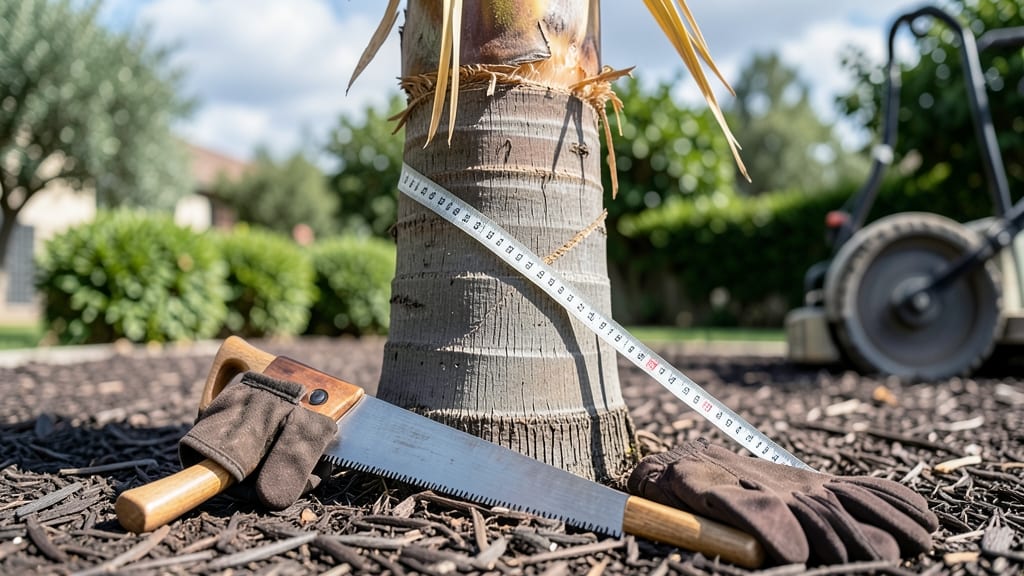
Cutting a palm tree trunk isn't like pruning a maple—it's a delicate surgery on a plant that doesn't heal like others. 🌴 I've learned the hard way that one wrong cut can turn a clean removal into a years-long battle with rot or pests.
The key is understanding how palms grow (or don't grow) and making precise cuts that minimize damage.
You'll need a chainsaw with a sharp bar, safety gear that covers your eyes and skin, and a ladder tall enough to reach the trunk safely. Most importantly, have a stump grinder ready—palm trunks won't seal like hardwoods, so you can't just leave a stub behind.
The biology here is different: palms don't have true bark or cambium layers, so traditional pruning techniques fail completely.
When done right, you'll end up with a clean removal that won't attract termites or fungus. The wound will stay stable for years, unlike a poorly cut trunk that invites decay.
I've seen neighbors' palms rot from improper cuts—don't let that be you. The process takes patience, but the results are worth it for your yard's long-term health.
Fair warning: some palms (like royal or canary palms) have hollow trunks that require special handling. If you're unsure about your palm species or the trunk's condition, calling a professional arborist is the safest move.
They'll know whether your palm has a solid trunk or hidden cavities that change the cutting approach completely.
📚 In This Guide
- What you need
- Instructions
- Tips and common mistakes
- Wrapping up and next steps
What you need
- ● Chainsaw: A gas-powered or battery-operated chainsaw with a 16"–20" bar (for thick trunks) or 14"–16" (for smaller palms). Pro tip: 💡 Use a low-kickstarting model for easier starts.
- ● Safety Gear: Hard hat or chainmail helmet (for debris protection)
- ● Safety glasses with side shields
- ● Heavy-duty work gloves (cut-resistant, like mechanics gloves)
- ● Steel-toe boots with slip-resistant soles
- ● Ear protection (earplugs or muffs for chainsaw noise)
- ● Respirator mask (if cutting dusty or moldy palms)
- ● Cutting Aid: Hacksaw (for notching) or pruning saw (for smaller trunks)
- ● Notching tools (V-notch or wedge system for controlled falls)
- ● Stabilization: Rope (50+ ft, ½" diameter) for guiding the fall
- ○ Winch or come-along (optional, for heavy trunks)
- ● Ladder or lift: Extension ladder (24+ ft) or cherry picker (for tall palms)
- ● Stump grinder: If you plan to grind the remaining stump post-cut
- ● First-aid kit: Include tourniquet, antiseptic wipes, and bandages
- ● Weather check: Clear skies (avoid cutting in wind or rain)
- ● Permits: Check local regulations—some areas require tree removal permits!
Step-by-step instructions for cutting a palm tree trunk safely
Precision cuts make all the difference—here’s how to remove a palm trunk cleanly without damaging surrounding roots or structures.
🪴 Step 1: Gather the Right Tools and Safety Gear
First, grab your chain saw with a sharp bar (a dull blade makes uneven cuts and risks kickback). Wear safety goggles, heavy-duty gloves, and steel-toe boots—palm fronds can whip unexpectedly, and the trunk hides sharp edges. I also recommend ear protection for the noise and a hard hat if nearby structures could be hit by falling debris.
Check the weather forecast—windy days make cutting dangerous. The ideal time is on a calm, dry morning when the tree is fully hydrated but the air is cool. If the trunk is thick (over 12 inches in diameter), consider renting a stump grinder for the base cut to avoid excessive manual labor.
✂️ Step 2: Make the First Cut at the Top
Start by removing all fronds with a pruning saw or loppers—leave a 3-4 inch stub to avoid tearing the trunk. Then, climb (or use a cherry picker) to the top of the trunk. Make your first horizontal cut about 12-18 inches below the frond cluster to create a flat landing surface. This prevents the trunk from splitting as it falls.
Angle the cut slightly (10-15 degrees) toward the direction you want the trunk to fall. Use a chalk line to mark the fall path—clear a 20-foot radius of debris, people, and power lines. If the trunk is over 20 feet tall, hire a professional—this is where mistakes get deadly.
✂️ Step 3: Cut the Trunk in Sections
Now, work your way down the trunk in 3-4 foot sections. Make a deep vertical cut (about ⅓ of the way through) on the side opposite your fall line. Then, make a second vertical cut on the fall side, stopping 1-2 inches before meeting the first cut. This creates a hinge that controls the fall direction.
Finally, make a horizontal undercut to separate the section. Use a wedge to pry the section free if the chain saw struggles. Repeat until the trunk is within 6 inches of the ground. Avoid cutting all the way to the base—you’ll need clearance to remove the remaining stump safely.
🪴 Step 4: Remove the Stump and Clean Up
For the final stump removal, use a stump grinder if the remaining trunk is over 6 inches in diameter. If it’s smaller, dig around the base with a shovel or mattock until the roots loosen, then rock the stump back and forth to break it free. Wear gloves—palm tree roots are tough and can snap back unexpectedly.
Collect all debris and chop it into smaller pieces for easier disposal or composting. Check the cut area for remaining root fragments—palm trees can regrow from even small pieces if left in the ground. Once cleared, rake the soil smooth and water the area to help the lawn recover.
⏰ Step 5: Inspect and Store Materials
Sharpen your chain saw blade immediately after use—dull teeth make future cuts harder and increase kickback risk. Store your tools in a dry place with the chain lubricated to prevent rust. If you’re reusing the palm wood (for mulch or crafts), let it dry in the sun for 2-3 weeks before cutting or burning.
Real talk: If you’re unsure about any step—especially with tall or thick trunks—call a professional. Palm trees are heavy, and a bad cut can damage your property or injure someone. I’ve seen too many DIY disasters where a trunk fell the wrong way and took out a fence, a car, or worse.
Tips & tricks for precision palm tree trunk removal
These simple tricks will help you avoid common pitfalls and tackle the job like a pro—without the headaches.
Safety Gear Matters: Double-check your gear before starting. I can’t stress this enough—palm fronds can whip like whips when cut, and the trunk hides razor-sharp edges. If you’re working near power lines or structures, add a hard hat to your safety kit. I’ve seen too many close calls where someone skipped this step and ended up with stitches.
Weather Timing: That calm, dry morning recommendation isn’t just ideal—it’s critical. Palm trees are heaviest when fully hydrated, and wind can turn a controlled fall into a disaster. Check the forecast the night before and reschedule if storms are predicted. Pro tip: Early morning dew makes the trunk slightly easier to cut, but wait until the sun dries the surface to prevent slipping.
Cutting Technique: In Step 3, when you’re making those 3-4 foot sections, remember the 1-2 inch hinge is your friend. This small gap lets you control the fall direction without risking the trunk splitting. If you’re struggling to separate a section, a wedge is your best tool—but only use it if your chain saw is sharp. A dull blade will chew through the wood unevenly, making cleanup harder.
Stump Removal: For the final stump, if you’re using a shovel or mattock instead of a grinder, work in layers. Dig around the base in 2-3 inch deep circles, loosening the soil before attacking the roots directly. This prevents the shovel from bouncing off hard roots and gives you better leverage. Once you’ve loosened the soil, rock the stump gently—palm roots can snap back with surprising force.
Pro Tips for Cut Palm Tree Trunk
- These simple tricks will help you avoid common pitfalls and tackle the job like a pro—without the headaches.
- Safety Gear Matters: Double-check your gear before starting. I can’t stress this enough—palm fronds can whip like whi...
- Weather Timing: That calm, dry morning recommendation isn’t just ideal—it’s critical. Palm trees are heaviest when fu...
Frequently asked questions
Got questions about cutting a palm tree trunk? You’re not alone—this task can be tricky, but we’ve got answers to help you navigate it like a pro. Here are some of the most common concerns, from safety to timing and beyond.
How do I safely cut a palm tree trunk without damaging nearby structures?
Use a stump grinder or chainsaw with a long-handled pole to create horizontal cuts first (about 1–2 feet from the base). Clear debris and secure the area with safety cones or barriers. If the tree is close to power lines, call a professional—never risk it!
What’s the best time of year to cut down a palm tree?
Ideally, prune in late winter or early spring (before new growth starts). Avoid cutting during storm season or extreme heat, as this can stress the tree or make cleanup harder. If the tree is dead or hazardous, remove it ASAP regardless of season.
Can I cut a palm tree trunk with just a chainsaw, or do I need a stump grinder?
A chainsaw works for smaller trunks (under 12 inches), but for thicker bases, a stump grinder is faster and cleaner. Rent one for heavy-duty jobs—it reduces regrowth and makes the area safer. Wear gloves, goggles, and ear protection either way!
Will cutting the palm tree trunk cause it to regrow, or is it gone for good?
Palm trees won’t regrow from the stump like some trees (e.g., maples). However, if you leave a thick stump, sprouts may emerge from the roots. Grind it down to 2–3 inches below ground to prevent regrowth. Apply vinegar or herbicide to the cut surface for extra prevention.
Should I hire a pro or DIY? How do I know when it’s too risky?
DIY if the tree is small, healthy, and accessible. Hire a pro if:
- The trunk is over 18 inches in diameter.
- The tree is near power lines, driveways, or structures.
- You’re unsure about proper technique or lack equipment.
Wrapping up and next steps
Cutting a palm tree trunk may seem daunting, but with the right tools, safety precautions, and techniques, you can achieve a clean, precise removal every time. 🌴✂️ Whether you're pruning for aesthetics, safety, or health, remember that patience and preparation are key—always prioritize safety and follow local regulations.
Now that you’re armed with knowledge, grab your gear and tackle that palm tree with confidence!
Next steps:
- Schedule your project on a calm, dry day for optimal conditions.
- Double-check your tools and safety gear before starting.
- Consider hiring a professional if the trunk is large or the job feels overwhelming.