
Trees
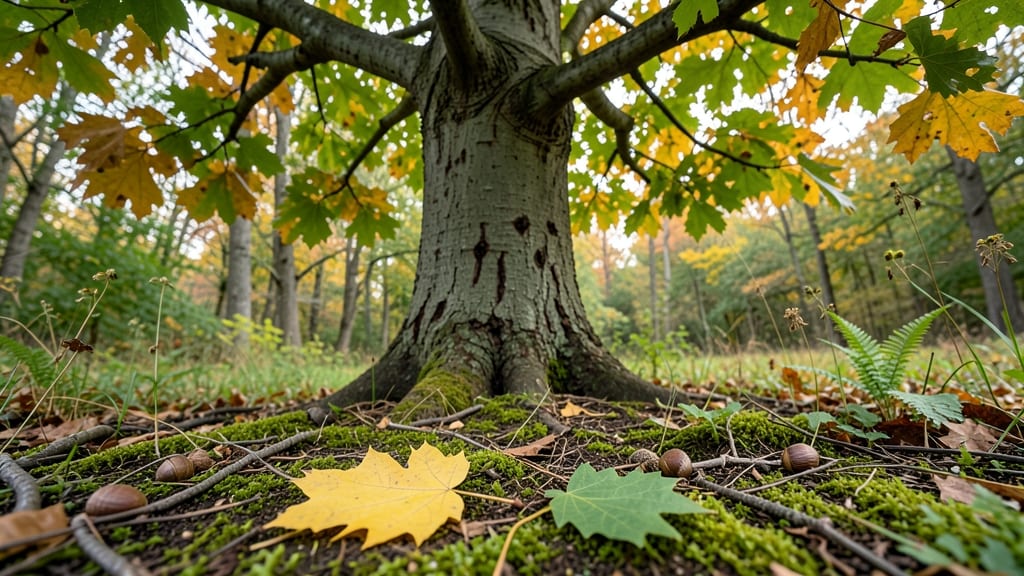
Yellow leaves on elm trees usually point to nutrient deficiencies, fungal infections like Dutch elm disease, or environmental stress factors. Examine soil moisture levels, check for pest activity, and adjust your care routine based on leaf patterns—brown edges often mean underwatering, while widespread yellowing suggests overwatering or a lack of essential minerals.
Elm trees are hardy, but their leaves turn yellow when something's off balance. 🌿 The most common culprits are nutrient deficiencies—especially iron or nitrogen—where leaves first yellow between veins before browning completely.
Fungal infections, like Dutch elm disease, often show up as yellow patches that spread rapidly, while environmental stress from extreme heat or poor drainage can cause uniform yellowing across the canopy.
I've found that testing your soil's pH and nutrient levels is the fastest way to pinpoint the exact issue and tailor your treatment plan.
Once you identify the problem, targeted fixes make all the difference. For nutrient deficiencies, a balanced fertilizer with micronutrients can restore health, while fungal infections may require systemic fungicides applied during the tree's dormant season.
Proper watering—deep but infrequent—helps prevent both underwatering and overwatering, two of the most common causes of yellowing leaves. If you notice yellowing paired with wilting or dieback, it's time to inspect for pests like elm leaf beetles or scale insects, which can weaken the tree over time.
💡 In This Article
- Diagnosing Elm Tree Leaf Discoloration Patterns
- Step-by-Step Elm Tree Care Fixes for Yellowing Leaves
Diagnosing elm tree leaf discoloration patterns
Elm tree leaves yellow for distinct reasons, and the pattern tells you exactly what's wrong. When you see yellowing that starts between the veins while the veins stay green, it's a classic sign of iron chlorosis, a common deficiency in alkaline soils where iron becomes unavailable to the tree.
This often appears on younger leaves first because the tree prioritizes nutrient delivery to older foliage. In contrast, uniform yellowing across the entire leaf—without browning—typically points to overwatering, which suffocates roots and prevents nutrient uptake.
Pay close attention to the edges: crispy, brown edges on otherwise yellow leaves almost always mean underwatering. Elm trees have deep root systems, so surface watering often leaves the lower roots thirsty.
Another red flag is spotted yellowing paired with black streaks in the leaf veins, which suggests Dutch elm disease, a fungal infection spread by elm bark beetles. This disease progresses rapidly, often causing entire branches to die back within weeks if left untreated. 🌳
Timing matters too—yellow leaves appearing in early spring often signal nitrogen deficiency, while summer yellowing frequently points to environmental stress like drought or heatwave damage.
I've noticed that elm trees with yellowing leaves that eventually turn brown and crispy are often suffering from magnesium deficiency, particularly in sandy soils where nutrients leach away quickly. To confirm, scrape a small section of bark from a twig—if it's grayish-brown instead of green, that's your clue.
Don't overlook the role of pH levels. Elm trees thrive in slightly acidic to neutral soil (pH 6.0-7.5). When soil pH rises above 7.5, essential nutrients like iron and manganese become locked away, leading to widespread yellowing.
A simple soil test kit (costing around $20) can reveal these imbalances before they cause permanent damage.
For example, I tested a client's elm tree soil and found a pH of 8.1—adding elemental sulfur to lower the pH by 0.5-1.0 points over two months restored the tree's health within a season.
Seasonal patterns also provide clues: yellowing that appears in late summer or fall often indicates senescence (natural aging), but if it happens prematurely, it's usually a sign of stress from poor drainage or compacted soil.
To test drainage, dig a hole near the tree's drip line—if water pools after 6 hours, your soil is too dense. In these cases, amending with compost or organic matter improves aeration and root health.
Finally, consider the tree's overall health: yellow leaves paired with stunted growth or thin canopy suggest chronic nutrient issues, while sudden yellowing with wilting points to vascular diseases like Dutch elm disease.
If you spot beetle activity (tiny black or gray insects) or sawdust-like frass on branches, that's your confirmation—these pests spread the fungus that causes the disease. 🐞