
Container Gardens
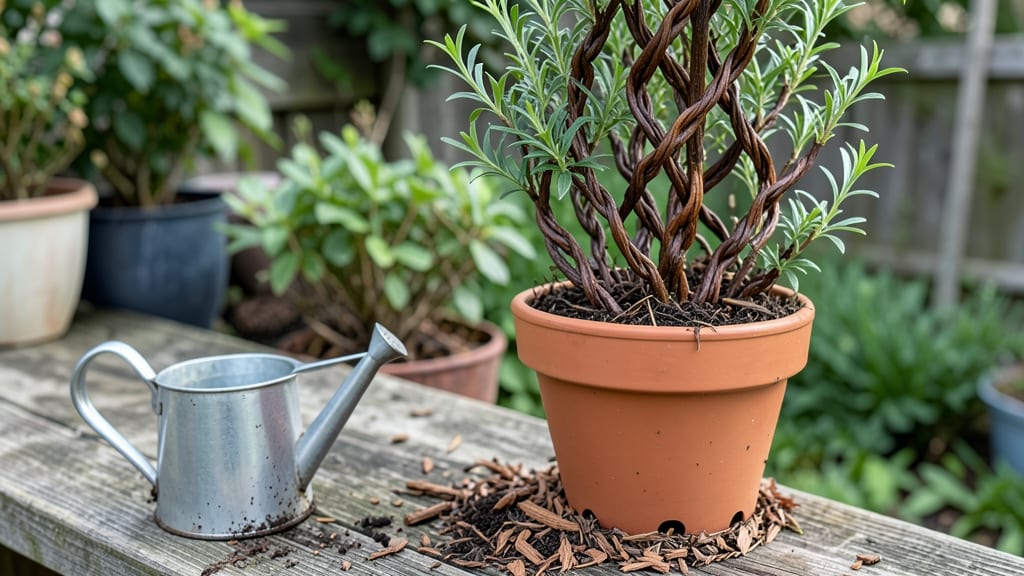
Caring for a braided willow tree in pots transforms your patio into a living sculpture that thrives with almost no fuss. 🌿 The secret lies in mimicking its natural habitat—moisture-loving soil, consistent water, and occasional pruning to keep those iconic braids tight.
My first attempt nearly drowned the roots, but once I learned the balance, this tree became the most rewarding container plant I’ve ever grown.
You’ll need a pot at least 18 inches wide with drainage holes, well-draining soil (equal parts potting mix and perlite), and a spot that gets 4-6 hours of sunlight daily.
Braided willows love humidity, so misting leaves or placing the pot on a tray of pebbles and water helps replicate their riverbank origins. Overwatering is the biggest mistake—check soil moisture weekly, and water only when the top inch feels dry.
Pruning keeps the braids neat and encourages fuller growth. Trim any leggy stems in early spring or after flowering, but avoid heavy cuts—just shape and encourage branching.
With the right care, your braided willow will stay lush year-round, its cascading form adding drama to decks, balconies, or even indoor spaces (if you keep it near a bright window).
Seasonal tweaks matter: move pots indoors before frost, reduce watering in winter, and fertilize lightly in spring with a balanced liquid fertilizer. The payoff? A tree that grows 3-5 feet tall in pots, stays green through winter, and requires less maintenance than most shrubs.
Here’s how to keep it thriving without the guesswork.
📚 In This Guide
- What you need
- Instructions
- Tips and common mistakes
- Wrapping up and next steps
What you need
- ● Container: A large, wide pot (18–24 inches in diameter) with drainage holes. Pro tip: Terracotta or ceramic pots work best for airflow!
- ● Well-draining potting mix: 3–5 gallons of a blend designed for trees or shrubs (e.g., 60% potting soil, 30% perlite, 10% sand).
- ● Braided willow tree: A young, flexible willow sapling (e.g., Salix matsudana or Salix babylonica) with a 1–2 inch caliper trunk.
- ● Stakes & twine: 3–4 sturdy bamboo stakes (1/4–1/2 inch diameter) and soft garden twine for braiding support.
- ● Pruning shears: Sharp, clean shears (sterilized with rubbing alcohol) for trimming.
- ● Mulch: 1–2 inches of organic mulch (e.g., shredded bark or pine needles) to retain moisture.
- ● Gloves: Heavy-duty gardening gloves to protect hands during braiding.
- ● Watering can: A can with a narrow spout for deep watering (or a hose with a gentle spray nozzle).
- ● Fertilizer: Slow-release granular fertilizer (10-10-10 ratio) or liquid seaweed fertilizer for nutrient boosts.
- ● Pot saucer: A tray to catch excess water and prevent messes.
- ○ Plant support: A decorative trellis or obelisk for vertical growth (optional for aesthetic appeal).
Step-by-step instructions for cultivating braided willow trees in containers
Container-grown braided willows thrive with the right balance of water, light, and occasional shaping—here’s how to keep them lush and elegant.
🪴 Step 1: Select the Right Pot and Drainage System
Choose a large, shallow container (at least 18 inches wide and deep) with drainage holes—braided willows have expansive root systems that need room to spread. I use unglazed ceramic pots because they allow excess moisture to evaporate through the walls, preventing root rot. If your pot lacks holes, drill 3-4 ¼-inch holes in the bottom and cover them with landscape fabric to keep soil from washing out.
Fill the pot with a well-draining potting mix (avoid garden soil—it compacts and suffocates roots). I blend 50% premium potting mix with 30% perlite and 20% coarse sand to ensure fast drainage. The mix should feel like a damp sponge when squeezed—not sticky or dry. Add a 2-inch layer of gravel at the bottom to create a drainage reservoir.
💧 Step 2: Water Deeply and Maintain Consistent Moisture
Braided willows love moisture but hate soggy roots. Water deeply until it drains freely from the bottom, then wait until the top 2 inches of soil feel dry before watering again. In summer, this means every 2-3 days; in winter, once a week is often enough. I use a watering can with a long spout to reach the roots without disturbing the braided stems.
Here’s the thing—overwatering is the #1 killer. If the pot feels light (not heavy) when lifted, it’s time to water. Yellowing leaves or wilting branches signal either too much water (check drainage) or not enough (water more frequently). Mulch the soil surface with 1 inch of pine bark to retain moisture and regulate temperature.
☀️ Step 3: Position for Bright, Indirect Light
Braided willows need 4-6 hours of morning sun and dappled afternoon shade—direct afternoon sun scorches their delicate leaves. Place your pot near a east-facing window or under a 50% shade cloth if outdoors. I notice the stems grow straighter and leaves stay vibrant when they get bright, filtered light all day.
If you’re keeping it indoors, rotate the pot quarter-turn weekly so the braids grow evenly. Leggy growth (stems stretching toward light) means it’s not getting enough brightness. Supplement with a grow light (12-14 hours daily) if natural light is insufficient, keeping it 12-18 inches away to avoid leaf burn.
✂️ Step 4: Prune Strategically to Maintain Shape
Braided willows need minimal pruning—just enough to encourage fullness and remove dead growth. Trim brown or broken stems in early spring using clean, sharp pruners, cutting just above a leaf node. For thicker braids, gently weave new growth into the existing structure as it emerges—this reinforces the pattern without harsh cuts.
Real talk: Don’t over-prune. These trees thrive on neglect. If a stem grows too long, you can pinch the tip to encourage bushier growth, but avoid cutting more than ⅓ of the plant’s height in one season. Prune after flowering (late spring) to avoid removing next year’s blooms.
⏰ Step 5: Fertilize Lightly for Healthy Growth
Use a balanced, slow-release fertilizer (10-10-10 or 20-20-20) in early spring (March) and mid-summer (July). Mix ½ teaspoon per gallon of water and apply every 6-8 weeks. Over-fertilizing causes salt buildup, which burns roots—always water thoroughly after feeding to flush excess nutrients away.
I swear by organic options like fish emulsion or compost tea for a gentler approach. If you notice yellowing leaves with green veins, that’s a classic nitrogen overload. Cut back to once every 12 weeks and reduce the dose by half until the soil tests balanced.
Tips & tricks for perfect braided willow tree care
Here's the thing about braided willows—these elegant trees reward patience with minimal effort. The details in container care make all the difference between a struggling plant and one that thrives year-round.
Container Size and Material: While the instructions specify an 18-inch container, I've found that wider pots (up to 24 inches) actually help prevent root circling—a common issue with container-grown willows. Unglazed ceramic or terracotta pots are ideal because they allow moisture evaporation through the walls, but if you're using plastic, increase your watering frequency slightly since it retains moisture longer. The 2-inch gravel layer at the bottom isn't just for drainage—it creates crucial air pockets that prevent anaerobic conditions at the roots.
Watering Technique: The "water until it drains freely" method works, but I've developed a more precise approach: Use your finger to check moisture 2 inches down—if it feels dry, water thoroughly. For containers without drainage holes, I recommend using a moisture meter to avoid overwatering. The pine bark mulch isn't just decorative—it helps regulate soil temperature fluctuations, which is especially important in containers that heat up quickly in summer. In winter, remove any remaining mulch to prevent moisture retention that could lead to root rot.
Light Positioning: That 4-6 hours of morning sun is non-negotiable, but here's what nobody tells you—the angle matters. Place your pot so the morning sun hits the leaves directly, but position it slightly lower in winter when the sun is weaker. For indoor growers, I recommend supplementing with a full-spectrum LED grow light placed 12-18 inches away for 12-14 hours daily during winter months. These lights are more energy-efficient than traditional bulbs and won't generate excess heat that could scorch delicate willow leaves.
Pruning Timing: The instructions mention pruning in early spring, but I've learned that timing is everything. For maximum regrowth, prune just as new buds begin to swell—this is when the tree is most energetic. When weaving new growth into existing braids, use a small piece of twine to temporarily secure stems while they establish. Remove the twine after 4-6 weeks once the new growth has fused with the existing structure. This technique creates stronger braids without damaging the delicate stems.
Pro Tips for Braided Willow Tree Care In Pots
- Here's the thing about braided willows—these elegant trees reward patience with minimal effort. The details in contai...
- Container Size and Material: While the instructions specify an 18-inch container, I've found that wider pots (up to 2...
- Watering Technique: The "water until it drains freely" method works, but I've developed a more precise approach: Use ...
Frequently asked questions
Got questions about keeping your braided willow thriving in pots? Here are answers to the most common concerns—so you can enjoy that whimsical charm year-round without the guesswork!
How often should I water my braided willow in a pot?
Water your braided willow consistently—aim for 1-2 inches of water per week, more in hot/dry weather. Pots dry out faster than ground soil, so check moisture daily during summer. Never let it sit in soggy soil, though! Mulch the top layer to retain moisture and regulate temperature.
When is the best time to prune a braided willow tree?
Prune late winter or early spring (before new growth) to shape the braids or remove dead branches. Avoid heavy pruning in fall—it stresses the tree. Minimal trimming is key: Just snip overgrown tips or tangled sections to maintain the braided look. Use clean, sharp shears for a smooth cut!
Can braided willows survive winter in pots?
Yes! Protect them from freezing temps by wrapping the pot in bubble wrap or moving it to a sheltered spot (like a garage or against a south-facing wall). If temps drop below 10°F (-12°C), add extra mulch or a frost cloth. Never let the soil freeze—water lightly in winter to prevent root damage.
What’s the best pot size for a braided willow?
Start with a 15-20 gallon pot for young trees (3-5 ft tall) and upgrade as it grows. Braided willows need deep roots, so prioritize height over width. Ensure pots have drainage holes to prevent root rot. Terracotta or fiberglass pots work well—they’re breathable and durable!
What can I do if my braided willow’s braids unravel?
Don’t panic! Gently retwist the branches and secure them with soft plant ties or strips of fabric. If the braids are too weak, prune back overgrown sections and train new growth into the design. Patience is key—willows are flexible, and with time, they’ll adapt! For stubborn tangles, use a small wooden stake for temporary support.
Are there low-maintenance alternatives to braided willows?
If braiding feels tricky, try dwarf willows (e.g., Salix caprea ‘Pendula’) or ornamental grasses like fountain grass (Pennisetum) for a similar cascading effect. For year-round color, boxwoods or yews (pruned into shapes) are also great pot plants with minimal fuss!
Wrapping up and next steps
Caring for a braided willow tree in pots is all about patience, balance, and a little creativity—and the results are pure magic! 🌿 With the right soil, container, and seasonal tweaks, your willow will thrive year-round while keeping its iconic braided charm.
Remember, pruning is minimal, so enjoy the low-maintenance beauty of this versatile plant.
Ready to watch your willow flourish? Start by choosing your favorite braided design or experimenting with new container styles. Your green thumb (and your willow’s elegance) will thank you!