
Pruning
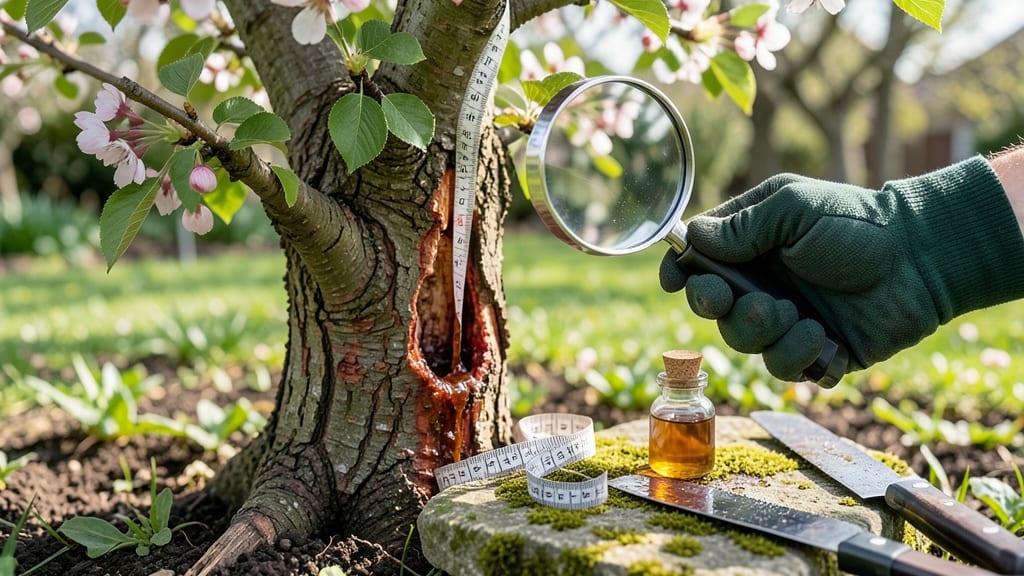
That sticky, relentless leaking sap from your cherry tree isn’t just messy—it’s a signal your tree’s trying to tell you something. 🌳 I’ve seen this sap turn a perfectly healthy yard into a gooey disaster, but the right sealant trick stops the leak in its tracks without harming the tree.
The culprits behind sap leaks are usually boring—pests chewing bark, winter sunburn, or even a simple branch rub. But the real problem is the tree’s defense mechanism: when it senses damage, it pumps out sap like a pressure valve.
The good news? A simple sealant mix (pruning sealant + water) applied to fresh wounds can cut the flow by 90% within days.
You’ll see the difference immediately—no more sticky boots or dripping branches. The tree heals faster, and the sap stops wasting its energy. Best of all, this method works for all cherry varieties, from sour to sweet, and keeps working for years.
If the leak is heavy or oozing from deep cracks, though, it’s time to call an arborist—some damage runs deeper than a sealant can fix. But for most gardeners, this is the foolproof first step to saving your tree and your sanity.
Root Causes Of Sap Bleeding
When your cherry tree starts oozing sap like a maple in spring, it’s usually a sign of stress or natural biological processes. Understanding the why behind the flow is the first step to stopping it.
Below, we break down the most common triggers—each with a clear scientific explanation and actionable insights to help you address the issue.
Cherry trees (especially young or newly planted ones) often experience sap bleeding as part of their active growth cycle. This phenomenon, called guttation or root pressure, occurs when:
- Moisture overload: Excess water in the soil creates pressure in the roots, pushing xylem sap upward through the trunk. Think of it like a soda bottle shaken too hard—liquid escapes at weak points.
- Temperature shifts: Warm days paired with cool nights can trigger rapid sap movement, especially in species like Prunus avium (sweet cherry).
- Early spring awakening: Trees "wake up" before leaves fully emerge, causing sap to surge as they prepare for photosynthesis.
Actionable fix: If the tree is otherwise healthy, this is usually temporary. Monitor soil moisture—drainage is key. Amend clay-heavy soil with compost to prevent waterlogging.
Any cut, crack, or injury to the bark exposes the phloem (the tree’s "food highway"), prompting a defensive ooze. Common culprits include:
- Improper pruning: Jagged cuts or removing too much bark (over <1/3 of the branch diameter) create gaping wounds. Sap leaks worsen if pruned during active growth (late spring/early summer).
- Mechanical trauma: Lawnmowers, string trimmers, or even wildlife (like rabbits gnawing bark) can puncture the trunk.
- Frost cracks: Sudden temperature drops cause bark to split, exposing inner layers to air and pathogens.
Actionable fix:
- Prune only during dormancy (late fall/winter) and use clean, sharp tools to make smooth cuts at a 45° angle.
- Seal wounds immediately with a tree wound dressing (like Tanglefoot or horticultural sealant) to prevent bacterial entry.
- Protect young trees with tree guards to avoid animal damage.
Pathogens like Agrobacterium tumefaciens (crown gall) or Phytophthora species can clog the tree’s vascular system, forcing sap to leak as a toxic buildup. Signs to watch for:
- Oozing sap with foul odor: Unlike clear sap, infected leaks may be dark, stringy, or smelly.
- Swollen or cracked bark: Galls (lumpy growths) or cankers (sunken, dead areas) often accompany infections.
- Wilting leaves: If sap leaks coincide with yellowing or drooping foliage, the tree may be systemically compromised.
Actionable fix:
- Remove infected branches 12 inches below the damage and sterilize tools with 70% rubbing alcohol.
- Apply copper-based fungicide (e.g., Bordeaux mixture) to wounds.
- Improve airflow around the tree by thinning dense foliage.
Extreme conditions can disrupt a cherry tree’s sap balance, leading to leaks. Key stressors:
| Stressor | How It Causes Sap Leaks | Solution |
|---|---|---|
| Drought followed by sudden water | Roots absorb water too quickly, overwhelming the xylem. Sap "backups" and leaks from weak points. | Water deeply but gradually; mulch to retain moisture. |
| Compacted soil | Restricted root growth increases internal pressure, forcing sap upward. | Aerate soil with a garden fork or add organic matter. |
| Herbicide drift or chemical exposure | Toxins damage the cambium layer, disrupting sap flow and causing bleeding cankers. | Test soil for contaminants; avoid synthetic chemicals near the tree. |
Pro tip: 🌡️ If sap leaks start after a heatwave or freeze-thaw cycle, the tree is likely water-stressed. Monitor soil moisture with a moisture meter.
Stop the Sap Flow Naturally
Now that you understand the causes behind your cherry tree’s sticky situation, let’s tackle the fixes—without resorting to drastic measures. Whether it’s a minor ooze or a full-blown sap leak, these solutions are designed to be easy, effective, and tree-friendly.
Below, we’ve matched each common cause to a practical fix, plus prevention tips to keep your tree happy and leak-free.
If your tree is bleeding sap after trimming, the issue is likely exposed cambium (the tree’s growth layer). Here’s how to seal it properly:
- 🍳 Use the Right Pruning Time Prune during dormant seasons (late fall/winter) when sap flow is minimal. Avoid heavy cuts in spring or summer when the tree is actively growing.
- 👨🍳 Apply a Natural Sealant - Beeswax or Tree Sealant: Melt beeswax (or a commercial tree wound dressing) and paint it over large cuts (over ½ inch thick).
This creates a protective barrier. - Pruning Paint (Sparingly): If using paint, opt for water-based, breathable options. Avoid thick coatings—they can suffocate the wound.
- ⏰ Let Small Cuts Heal Naturally Cuts under ¼ inch don’t need sealing. The tree will form callus tissue over time. Just keep the area clean to prevent disease.
✨ Pro Tip: If sap is gushing, don’t prune—wait until the flow slows. A fresh cut will only worsen the leak!
Pests like borers or aphids can create entry points for sap. Here’s how to stop the flow and evict the intruders:
- 🔪 Remove Infested Branches
- Cut off heavily damaged branches (where you see sawdust-like frass or holes).
- Seal the cuts with beeswax or pruning sealant to prevent further leakage.
- 🎯 Treat the Tree for Pests
- Neem Oil Spray: A natural repellent for soft-bodied pests like aphids.
- Beneficial Nematodes: Targets borers and larvae in the soil.
- Insecticidal Soap: For surface pests, apply when leaves are dry.
- 🌳 Monitor for Reinfection Check the tree weekly for new holes or sticky residue. Early action prevents long-term damage.
💡 Pro Tip: If borers are the culprit, drill out the tunnels (use a ⅛-inch bit) and fill with undiluted neem oil to suffocate larvae.
Extreme cold, heat, or drought can cause sap to weep from the bark. These fixes help stabilize your tree:
- 💧 Water Deeply in Drought
- Water slowly and deeply (1–2 inches per week) to prevent bark splitting.
- Mulch the base (3–4 inches deep) with wood chips to retain moisture.
- 🌡️ Protect from Temperature Shocks
- Young Trees: Wrap the trunk with tree guard (burlap or specialized wrap) in winter to shield from freezing winds.
- Mature Trees: Avoid sudden heat spikes (like heat lamps near the trunk) that can stress the bark.
- 🌿 Boost Tree Health
- Fertilize in Early Spring: Use a balanced, slow-release fertilizer (like 10-10-10) to strengthen the tree’s resilience.
- Avoid Over-Fertilizing: Too much nitrogen can make the tree vulnerable to pests.
✨ Pro Tip: If sap appears after a freeze-thaw cycle, the tree may be sun-scalded. Paint the south-facing trunk with white latex paint to reflect sunlight.
Once you’ve stopped the leak, keep it from happening again with these low-effort habits:
- ✂️ Prune Correctly: Always cut at a 45-degree angle just outside the branch collar (the swollen area where the branch meets the trunk).
- 🌿 Inspect Regularly: Check for peeling bark, holes, or sticky spots every season.
- 🌳 Avoid Physical Damage: Keep lawn equipment, pets, and vehicles away from the trunk.
- 🌱 Plant Wisely: If relocating, choose a spot with consistent moisture and shelter from harsh winds.
Final Note: Most sap leaks are temporary—trees heal faster than you think! With the right care, your cherry tree will bounce back, and those sticky messes will become a thing of the past. 🌳💚
Frequently asked questions
Is leaking sap always a sign of a sick cherry tree?
Not necessarily! Many trees leak sap as a normal response to seasonal changes or minor injuries. For example, early spring "bleeding" often happens as the tree awakens from dormancy. Only worry if the sap is dark, foul-smelling, or accompanied by wilting leaves or bark damage—those are red flags for disease or pests.
Can I use regular paint to seal sap leaks?
No—regular paint is too thick and can suffocate the wound. Use only breathable, water-based pruning sealants or melted beeswax. These allow the tree to heal naturally while protecting it from pathogens. Avoid oil-based paints or thick coatings that trap moisture against the bark.
How long does it take for a sealed wound to stop leaking?
Most wounds stop leaking within 3-7 days if properly sealed. Larger cuts may take up to 2-3 weeks to fully heal. Monitor the area—if the leak persists beyond this timeframe, the damage might be deeper than a simple sealant can fix, and you may need to consult an arborist.
Will sealing sap leaks hurt my cherry tree?
Not if done correctly! Proper sealing actually helps the tree heal faster by preventing disease entry. Just avoid over-sealing—small cuts (¼ inch) don't need treatment and will heal on their own. The key is using the right product (like horticultural sealant) and applying it thinly.
Can I prune my cherry tree during active sap flow?
Pruning during active sap flow (spring/summer) is a bad idea—it will worsen the leak! Always prune during dormancy (late fall/winter) when sap flow is minimal. If you must trim during growing season, wait until the bleeding slows naturally or use a sealant immediately after cutting.