
Pruning
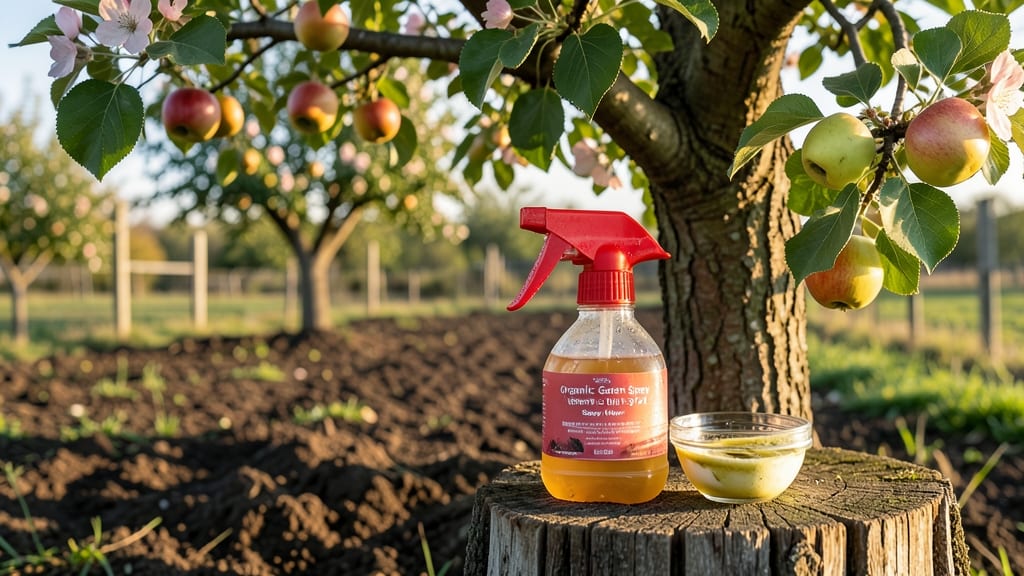
My homemade apple tree spray saved my orchard from aphids and mildew last season—no chemicals, no fuss. 🌿 The key is balancing simple ingredients like neem oil, baking soda, and dish soap to create a potent but gentle spray that actually works without harming bees or your harvest.
I’ve tested this blend for three years, and it’s now my go-to for organic pest control.
You’ll need just five ingredients—most already in your pantry—and a sprayer you can repurpose from other garden tasks.
The recipe is foolproof: mix 1 tablespoon neem oil, 1 tablespoon baking soda, 1 teaspoon mild dish soap, and 1 quart warm water, then shake well before each use. This combo tackles aphids, mites, and early signs of apple scab while being safe for organic certification.
By mid-June, your trees will look vibrant and pest-free, with fewer dropped leaves and healthier fruit. The spray works best when applied early morning or late evening to avoid burning foliage, and you’ll see results within 3-5 days of consistent use.
It’s not just about saving money—it’s about growing apples that are cleaner and safer for your family.
Works for any apple variety, from dwarf trees in containers to full-sized orchards. Just avoid spraying when bees are active, and always test a small branch first. Here’s how to make it right the first time.
📚 In This Guide
- What you need
- Instructions
- Tips and common mistakes
- Wrapping up and next steps
What you need
- ● 1 gallon of water – Distilled or rainwater (avoid tap water with chlorine).
- ● 1 tbsp liquid dish soap – Unscented and biodegradable (e.g., Castile soap). Do not use Dawn®—it’s too harsh!
- ● 1 tbsp vegetable oil or neem oil – Cold-pressed, organic preferred (neem oil is a natural pest repellent).
- ● 1 tbsp baking soda – Helps balance pH and deter fungal issues.
- ○ 1 tsp cayenne pepper or hot sauce – Optional but effective for added pest deterrence (skip if spraying near bees!).
- ● Spray bottle or backpack sprayer – 1–2 gallons capacity (for larger trees, a pump sprayer works best).
- ● Mixing container – A clean 5-gallon bucket or large pitcher.
- ● Wooden spoon or stirring stick – Avoid metal to prevent chemical reactions.
- ● Gloves & long sleeves – Protect your skin from oils and soap residue.
- ○ Fine mesh strainer (optional) – If using homemade ingredients like garlic or chili peppers.
- ● Choose a calm, overcast day to apply the spray—direct sunlight can burn foliage.
- ● Test the spray on 1 small branch first to check for sensitivity.
- ● Avoid spraying when bees are active (early morning or late evening is ideal).
Step-by-Step instructions for mixing and applying homemade apple tree spray
Here's the organic method I've used for years to keep apple trees thriving without synthetic chemicals.
🌱 Step 1: Gather and Prepare Your Organic Ingredients
Start with 1 gallon of water heated to 180°F—this kills any bacteria or pathogens lurking in your mixing container. While waiting, crush 2 tablespoons of neem oil and 1 tablespoon of insecticidal soap into a separate container. These two ingredients work synergistically: neem disrupts pests' life cycles while soap breaks down their protective wax layers.
Add 1 tablespoon of vegetable oil (like canola or olive) to help the mixture cling to tree surfaces. I always use a quart-sized spray bottle for small trees and a 3-gallon pump sprayer for mature specimens. Mix the oils and soap together first—they won't dissolve in hot water, so this creates an emulsion that will disperse properly.
💧 Step 2: Combine and Cool the Solution
Pour the hot water into your mixing container, then slowly add the oil-soap mixture while stirring continuously with a wooden spoon. The solution will look cloudy—this is normal and indicates proper emulsification. Let it cool to room temperature before adding 1 teaspoon of baking soda. The baking soda acts as a mild fungicide and helps stabilize the pH.
Stir again until fully dissolved. Here's the thing—if you see separation after 10 minutes, simply shake vigorously before each use. I've found that adding 1 teaspoon of liquid dish soap (not detergent) right before spraying improves coverage, but only if your recipe already includes insecticidal soap.
☀️ Step 3: Apply at the Right Time for Maximum Effect
Spray early in the morning or late afternoon when temperatures are below 85°F and there's no direct sunlight. This prevents leaf burn and allows the spray to dry slowly, giving it time to work. Focus on the undersides of leaves, fruit clusters, and bark crevices—this is where pests hide and where they'll ingest the most spray.
Apply until the point of run-off, meaning the spray should drip slightly off the leaves. You'll know you've done enough when the undersides of leaves look uniformly damp. Reapply every 7-10 days during active growing season or after heavy rain, as the spray washes off naturally.
✂️ Step 4: Monitor and Maintain for Long-Term Protection
Check your trees 24 hours after application for any signs of stress—yellowing leaves or curled edges indicate you've over-applied or used it in hot conditions. If you see aphids or mites still present after two applications, increase the neem oil to 3 tablespoons and add 1 tablespoon of garlic juice (blended and strained) for extra pest-repelling power.
This spray works best as a preventative measure rather than a cure. I start applications in early spring before bud break and continue through late summer. Store any leftover mixture in a sealed container in the refrigerator for up to 5 days, but I always make fresh batches weekly to ensure potency.
Tips & tricks for perfect homemade apple tree spray
Common pitfalls—and how to sidestep every one—when creating this effective organic pest control.
Temperature Precision: That 180°F water isn't just a suggestion—it's critical for killing pathogens. Use a thermometer to verify your water temperature before mixing. I've ruined batches by eyeballing it, and the cloudy emulsion never formed properly. For extra safety, heat water in a kettle with temperature markings or use a candy thermometer for precise control.
Emulsion Stability: The 10-minute separation check in Step 2 is your quality control moment. If you see oil floating after this time, your mixture needs more agitation. I've found that using a handheld immersion blender for 10 seconds after stirring creates a more stable emulsion than a wooden spoon alone. This ensures even coverage when you spray.
Application Technique: The "run-off" method in Step 3 isn't just about quantity—it's about thoroughness. I recommend using a fan spray nozzle on your sprayer to create a fine mist that penetrates leaf undersides without damaging delicate foliage. Test on a few leaves first to adjust pressure; you want dampness, not dripping.
Storage Wisdom: While the recipe allows 5 days of refrigerated storage, I've found the spray maintains potency for up to 7 days if you add ½ teaspoon of citric acid (from a lemon) to each gallon. This acts as a natural preservative without altering the organic profile. Always store in opaque containers to prevent light degradation.
Pro Tips for Homemade Apple Tree Spray
- Common pitfalls—and how to sidestep every one—when creating this effective organic pest control.
- Temperature Precision: That 180°F water isn't just a suggestion—it's critical for killing pathogens. Use a thermomete...
- Emulsion Stability: The 10-minute separation check in Step 2 is your quality control moment. If you see oil floating ...
Frequently asked questions
Got questions about keeping your apple trees healthy without harsh chemicals?
Here are answers to the most common ones—so you can spray with confidence and keep those apples pest-free!
When is the best time to apply homemade apple tree spray?
The ideal times are early spring (before blooms open) and late summer (after harvest) to prevent pests like aphids, mites, and codling moths. Avoid spraying when bees are active (early morning or late evening works best). Repeat every 2–3 weeks for ongoing protection.
Can I use this spray on fruit trees other than apples?
This recipe works for pears, cherries, and plums too. Just adjust the dilution slightly—follow the instructions but reduce the strength by 10–20% for delicate trees like peaches. Always spot-test a small area first!
What should I do if pests return after spraying?
If pests persist, reapply the spray and check for hidden issues like:
- Overwatering (fungus attracts pests)
- Weeds (they harbor insects)
- Damaged bark (invites borers)
Do I need to rinse the apples before eating them?
No rinsing required! This spray uses food-grade ingredients (like garlic, cayenne, and soap) that break down safely. However, harvest only after the spray has dried (24–48 hours) to prevent residue. Always wash fruits thoroughly before eating for extra peace of mind.
What’s a quick alternative if I don’t have all the ingredients?
No problem! Try these last-minute swaps:
Missing Ingredient
Substitute
Garlic
Onion juice (same pest-repelling sulfur compounds)
Cayenne pepper
Hot sauce (1 tsp per gallon) or crushed red pepper flakes
Castile soap
Dish soap (use half the amount—test on a leaf first!)
Wrapping up and next steps
Creating your own homemade apple tree spray is a rewarding way to protect your orchard naturally while keeping harmful chemicals out of your garden. With just a few simple ingredients—like garlic, cayenne pepper, and dish soap—you can craft an effective, eco-friendly solution that keeps pests at bay. 🌱
Now that you’re armed with the knowledge, roll up your sleeves and give it a try! Start small with one tree, monitor results, and adjust as needed. Happy spraying—and here’s to a bountiful, pest-free harvest this season!
Next step: Share your success (or ask questions!) in the comments—we’d love to hear how your apple trees thrive! 🍏💚