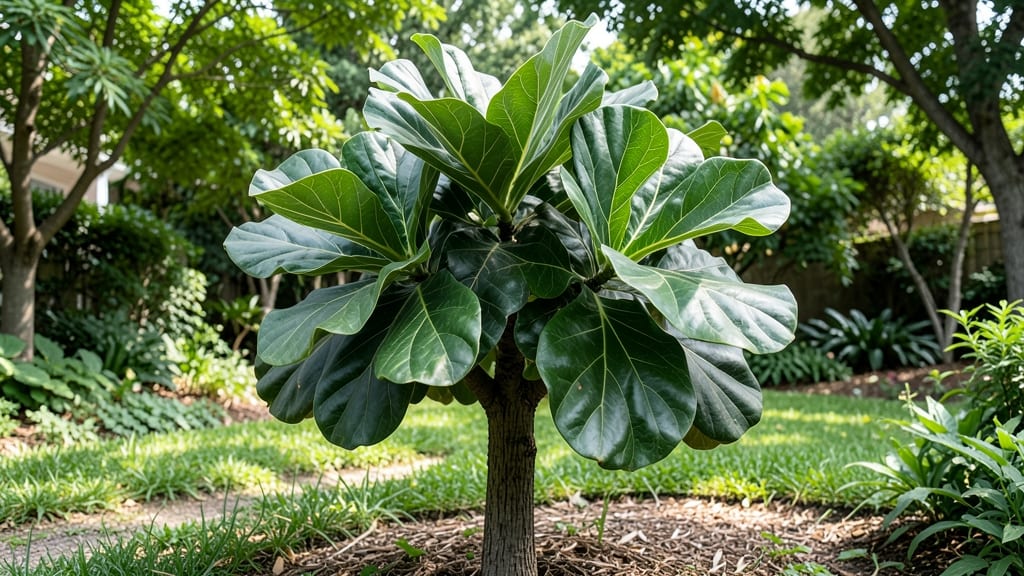
A ficus tree grows how tall does a ficus tree grow anywhere from 8 feet to towering heights of 50 feet, depending on the variety and growing conditions.
Wondering if your tiny ficus tree will soon tower over your ceiling? Ficus trees—like the popular rubber plant or weeping fig—come in surprising sizes, from compact tabletop varieties to towering indoor giants that need serious space planning.
If you’re choosing a ficus for your home, indoor varieties like the Ficus elastica (rubber plant) typically max out around 6–10 feet with proper care, while outdoor types such as the Ficus microcarpa can reach 30–50 feet in ideal conditions.
Below, I’ll break down the height ranges by species, how to control growth with pruning, and the best ways to keep your ficus at your desired size—whether that’s a tabletop statement or a living room centerpiece.
Ficus Tree Height Range
10 ftto50 ft
0 ft
3 ft
6 ft
9 ft
12 ft
🌱
Tall Tree
Ficus tree height guide: variety-specific growth expectations
If you're wondering how tall does a ficus tree grow, the answer depends entirely on the variety you've chosen. Some ficus trees stay small enough for a sunny windowsill, while others can reach heights that require ceiling fans and ladder pruning.
Understanding these mature size benchmarks helps you plan your space and care routine effectively.
Ficus trees are popular for their adaptability—whether you're growing them indoors as statement plants or outdoors as shade trees. The growth rate varies widely, with some varieties adding 12+ inches per year while others grow more slowly.
Let's explore the most common ficus species and their expected heights to help you make an informed choice.
| Variety |
Common Name |
Mature Height (Indoor) |
Mature Height (Outdoor) |
Growth Rate |
Best For |
| Ficus elastica |
Rubber Plant |
6–10 ft |
30–50 ft |
12–24 in/year |
Indoor statement plant |
| Ficus benjamina |
Weeping Fig |
6–10 ft |
20–40 ft |
12–18 in/year |
Indoor/outdoor bonsai or tree |
| Ficus lyrata |
Fiddle-Leaf Fig |
10–15 ft |
30–50 ft |
6–12 in/year |
Indoor focal point |
| Ficus microcarpa |
Ginseng Fig |
10–20 ft |
30–60 ft |
12–24 in/year |
Outdoor shade tree |
| Ficus retusa |
Banyan Fig |
N/A |
50–100 ft |
24+ in/year |
Outdoor landscape feature |
| Ficus carica |
Edible Fig |
8–12 ft |
20–30 ft |
12–18 in/year |
Outdoor fruit-bearing tree |
| Ficus pumila |
Creeping Fig |
3–6 ft (trailing) |
20–30 ft (covering) |
How to control ficus tree height: pruning and care tips for small spaces
If your ficus tree is stretching toward the ceiling like a skyscraper, don't panic! With the right pruning techniques and care adjustments, you can keep it at your desired height—whether that's a compact tabletop or a manageable indoor tree.
The key is understanding when and how to trim without harming your plant's health or encouraging wild, leggy growth.
Ficus trees like the rubber plant (Ficus elastica) or weeping fig (Ficus benjamina) grow quickly when happy, but their height is entirely manageable. The secret lies in strategic pruning combined with proper light exposure and container size.
Let's break down the steps to keep your ficus at the perfect height for your space.
Step-by-Step Ficus Pruning Guide
-
1
Choose the right time: Prune in spring or early summer when your ficus is actively growing. Avoid heavy pruning in fall or winter, as this can stress the plant.
-
2
Use clean tools: Sterilize your pruning shears or sharp scissors with rubbing alcohol to prevent disease. Dull tools can crush stems and invite infections.
-
3
Cut just above a leaf node: Make your cuts 1/4 inch above a leaf or branch junction. This encourages new growth from that spot, creating a bushier tree.
-
4
Remove no more than 1/3: Never trim more than 30% of the plant at once. This rule prevents shock and allows your ficus to recover quickly.
-
5
Encourage bushiness: If you want a fuller look, trim the top center stem to force side branches. This works especially well for ficus elastica varieties.
-
6
Repot if needed: If your ficus is root-bound, repot into a slightly larger container after pruning. This gives it room to grow wider instead of just taller.
-
7
Adjust light exposure: Place your pruned ficus in bright, indirect light to encourage even growth. Avoid dark corners where it'll stretch toward the light.
After pruning, your ficus will focus energy on new growth rather than shooting up like a rocket. For a bushier shape, you can also pinch back the tips of younger stems.
Just be patient—it may take a few months to see noticeable changes, but the results are worth it for a compact, healthy tree that fits your space perfectly.
Remember, regular maintenance is key. Prune your ficus 2-3 times a year to keep it at your desired height, and always reward it with fresh air and proper care afterward. With these tips, your ficus will stay lush, manageable, and full of life—without taking over your living room! 🌿
For outdoor ficus varieties like Ficus microcarpa, you can also use structural pruning to shape it into a small tree or shrub. Just follow the same principles but be mindful of its faster growth rate compared to indoor types. 🪴
★★★★★5.0(13 reviews)
|