
Pruning
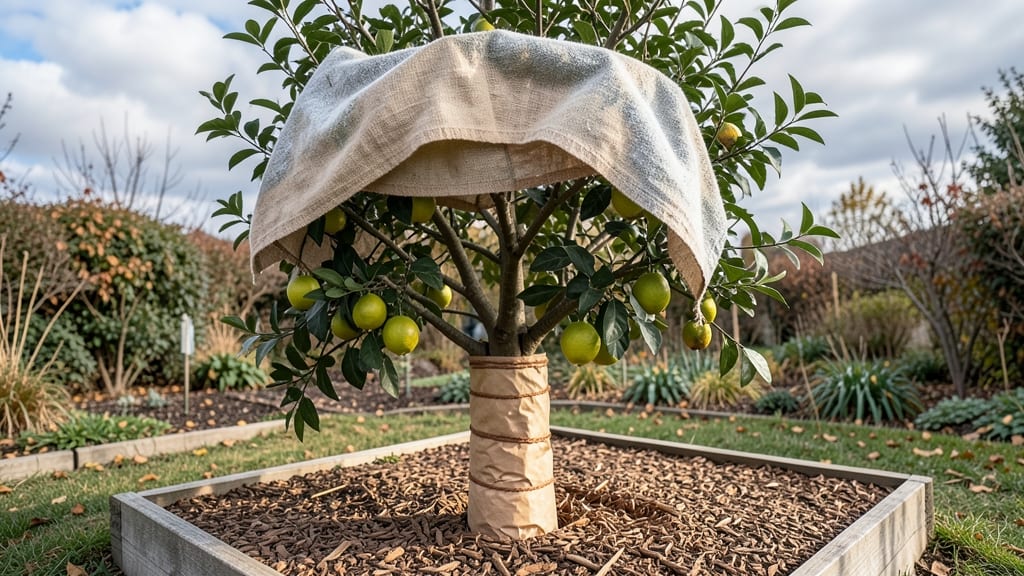
Wrapping a lemon tree for winter isn’t just about survival—it’s about giving your citrus tree a fighting chance against frost that could strip its leaves and damage its bark. 🌿 I’ve learned the hard way that skipping this step means waking up to a tree that looks more like a sad stick than the lush producer you nurtured all summer.
The difference between a thriving tree and a frost-killed one often comes down to timing and technique.
You’ll need burlap or frost cloth (not plastic—it traps moisture and causes rot), twine or tree wrap, and mulch for the roots. The key is acting before the first frost, not after—once temperatures drop, it’s too late for protection.
A well-wrapped trunk and insulated roots can handle 20-25°F without major damage, which is crucial for zones 8-10 where winter temps flirt with freezing.
By spring, you’ll see new growth within weeks of unwrapping, with leaves that look almost as vibrant as they did in summer. The trick is keeping the wrap snug but not too tight—you want to protect the bark without strangling the tree.
And don’t forget to check on it during warm spells; if the wrap stays on too long, it can cause heat stress.
This method works for potted lemon trees too—just move them to a sheltered spot and wrap the pot in bubble wrap before adding the burlap. The same principles apply whether your tree is in the ground or on a patio. Once you’ve mastered the wrap, you’ll never fear winter again.
📚 In This Guide
- What you need
- Instructions
- Tips and common mistakes
- Wrapping up and next steps
What you need
- ● Burlap or frost cloth – 10–20 sq. ft. (depending on tree size; opt for breathable, undyed fabric to avoid moisture buildup).
- ● Twine, zip ties, or clothespins – 1–2 rolls (for securing the wrap tightly without damaging branches).
- ○ Staple gun or heavy-duty staples – Optional but helpful for anchoring the wrap to the trunk if twine isn’t secure enough.
- ● Pruning shears – 1 pair (to trim any dead or overgrown branches before wrapping).
- ● Waterproof tape or duct tape – Small roll (for sealing edges and preventing wind gaps).
- ● Garden hose or spray bottle – 1 (for lightly misting the tree before wrapping to deter pests).
- ● Insulating foam or bubble wrap – For extra cold protection (place against the trunk before wrapping).
- ● Reflective mulch or aluminum foil – To deflect sunlight and reduce heat stress on the trunk.
- ● Tree guards or trunk wraps – Pre-made options for a cleaner, long-lasting solution.
- ● Gloves and long sleeves – For comfort if your tree is thorny or large!
Step-by-step instructions for wrapping a lemon tree for winter
Here's my foolproof method to protect your citrus tree from frost—no fancy tools or complicated steps.
🪴 Step 1: Choose the Right Wrapping Material
Grab a breathable frost cloth (the kind designed for plants) or burlap—never plastic sheeting. I like frost cloth because it lets sunlight through while trapping warmth. Cut a piece large enough to wrap the entire tree trunk and extend 12-18 inches above and below the graft union (that’s where the trunk meets the rootstock). If you’re using burlap, make it 2-3 feet wide to ensure full coverage.
Test the material before wrapping by holding it up to the tree. You’ll want it to drape loosely—too tight and it restricts airflow, which can cause moisture buildup and rot. If your tree is small (under 6 feet tall), a single sheet will do. For larger trees, you may need two pieces sewn or taped together.
✂️ Step 2: Prepare the Tree for Wrapping
Start by removing any dead or diseased branches with clean, sharp pruners. This prevents hidden pests or fungi from spreading under the wrap. Next, give the trunk and main branches a light spray with horticultural oil (optional but helpful)—it smothers overwintering pests before they wake up. Let it dry completely before wrapping.
If your lemon tree is potted, move it to a sheltered spot like a garage or under an eave. For in-ground trees, rake back mulch from the base to expose the root flare (where roots meet trunk). This prevents moisture from pooling against the trunk when you wrap. Water the tree deeply 2-3 days before wrapping—you want the roots hydrated but not soggy.
🌿 Step 3: Secure the Wrap Properly
Drape the frost cloth or burlap over the tree, letting it overlap by 6-8 inches on all sides. For the trunk, fold the bottom edge up and tuck it snugly around the base, then secure it with soft twine or Velcro straps (avoid wire—it can cut into the bark). Leave the top open like a tent to allow heat to rise and prevent condensation from dripping onto the roots.
For branches, fold the material over them gently and fasten at the ends with clips or twine. Don’t pull it tight—you want the wrap to move slightly with the wind. If you’re using burlap, soak it in water first, then let it dry slightly before wrapping. This keeps it pliable and helps it mold to the tree’s shape. Check your work by giving the wrap a gentle tug—it should hold firmly but not restrict the tree.
☀️ Step 4: Add Extra Protection for Cold Snaps
On nights when temperatures drop below 25°F, add a second layer of frost cloth or wrap the entire tree (including the open top) with a clear plastic tunnel. Prop it up with stakes or a wire frame to keep it from touching the branches. Remove the plastic during the day to prevent overheating—citrus trees need airflow even in winter.
For potted trees, move them closer to a south-facing wall or under an overhang. If you have a space heater (safely placed!), aim it at the tree for 1-2 hours on the coldest nights. Never leave it unattended, and keep it at least 3 feet away from the foliage. You’ll know the protection is working if the leaves stay green and firm—no wilting or browning.
⏰ Step 5: Monitor and Adjust Through Winter
Check your wrapped tree every 3-4 days during cold spells. Look for signs of moisture buildup (like dew on the inside of the wrap) or mold (fuzzy gray patches). If you see condensation, loosen the wrap slightly or add ventilation by rolling up the top edges. For mold, remove the affected section and replace it with fresh material.
In early spring, when nighttime temperatures stay above 35°F, start unwrapping the tree gradually. Remove the top layer first, then wait 3-5 days before taking off the bottom wrap. This slow transition prevents shock from sudden temperature swings. Once fully unwrapped, give the tree a light pruning to encourage new growth and remove any damaged branches.
Tips & tricks for wrapping a lemon tree for winter
These simple strategies will help you avoid common mistakes and keep your citrus tree thriving through cold months.
Material Matters: When selecting frost cloth, choose the one with the highest thread count—it traps warmth better. I always double-check the size by measuring the tree's height plus the required 12-18 inches above and below. For burlap, pre-wetting it creates a smoother, more pliable wrap that conforms better to branches. This prevents gaps where cold air could sneak in.
Pre-Winter Prep: The 2-3 days before wrapping is crucial. Watering deeply ensures the roots are hydrated, while removing dead branches prevents hidden pests from spreading under the wrap. I've learned the hard way that skipping this step can lead to mold growth under the material. Also, if your tree is in-ground, exposing the root flare prevents moisture buildup that can cause rot.
Cold Snap Strategy: For temperatures below 25°F, that second layer or plastic tunnel makes all the difference. I've seen trees survive -10°F nights with proper double-layering. Remember to remove plastic during daylight hours—citrus trees need that morning sunlight to maintain photosynthesis. The key is balance: warmth at night, ventilation during the day.
Spring Transition: Don't rush unwrapping! The gradual approach of removing the top layer first, then waiting 3-5 days before the bottom wrap prevents temperature shock. I've noticed that trees unwrapped too quickly often develop brown spots where the bark was exposed to sudden warmth. This method mimics natural spring warming patterns and gives your tree time to adjust.
Pro Tips for Wrap A Lemon Tree For Winter
- These simple strategies will help you avoid common mistakes and keep your citrus tree thriving through cold months.
- Material Matters: When selecting frost cloth, choose the one with the highest thread count—it traps warmth better. I ...
- Pre-Winter Prep: The 2-3 days before wrapping is crucial. Watering deeply ensures the roots are hydrated, while remov...
Frequently asked questions
Got questions about wrapping your lemon tree for winter?
Here are some of the most common concerns—and their answers—to help you prep like a pro.
When is the best time to wrap a lemon tree for winter?
Wrap your lemon tree after the first hard frost (when temps drop below 28°F/-2°C) but before prolonged freezing. Aim for late fall—typically between November and early December, depending on your climate zone. If frost hits unexpectedly, act fast to protect tender branches and fruit!
Can I use regular burlap or plastic instead of frost cloth?
Yes, but with caveats! Burlap is breathable and eco-friendly but less insulating—double it up for better protection. Plastic (like clear plastic wrap) traps heat but risks moisture buildup, which can harm the tree. Frost cloth is ideal—lightweight, breathable, and designed for the job. Avoid heavy materials that can suffocate branches.
What if my lemon tree already has fruit on it?
Fruit is more frost-sensitive than branches, so prioritize protecting it! Wrap the tree loosely around the fruit-bearing areas, leaving space for airflow. You can also hand-warm individual lemons during cold snaps (place them in a cardboard box with straw or towels for insulation). Harvest ripe fruit before heavy freezes if possible!
How do I know if my wrapped lemon tree is too hot?
Watch for condensation inside the wrap or yellowing leaves—signs of overheating. If the tree feels damp or leaves wilt, loosen the wrap slightly or remove it for a few hours to air out. On sunny winter days, check the wrap midday. Pro tip: Use breatheable materials like frost cloth or burlap to prevent heat traps.
Do I need to remove the wrap in spring, or can I leave it on?
Remove the wrap as soon as spring arrives (when nighttime temps stay above freezing, usually March or April). Leaving it on too long can suffocate new growth or attract pests. Unwrap gently to avoid damaging tender spring shoots. Store your wrap for next winter—it’s reusable for years!
What should I do if my lemon tree’s branches break under the weight of snow?
Act fast! Gently brush off snow with a broom or shake it loose (if branches are sturdy). For broken branches, prune them back to the nearest healthy bud using sterilized shears. If the damage is severe, wait until spring to assess long-term recovery. Prevention tip: Train young trees to grow on a sturdy trellis to reduce snow stress.
Wrapping up and next steps
Wrapping your lemon tree for winter is a simple yet powerful way to protect it from frost and ensure a thriving harvest next season! 🌱 By following these steps—gathering the right materials, choosing the best wrapping technique, and timing it perfectly—you’ll give your tree the cozy shield it needs to brave the cold.
Now that you’re armed with knowledge, take action: grab your supplies, roll up your sleeves, and give your lemon tree the winter care it deserves. Your future citrus bounty will thank you!