
Pruning
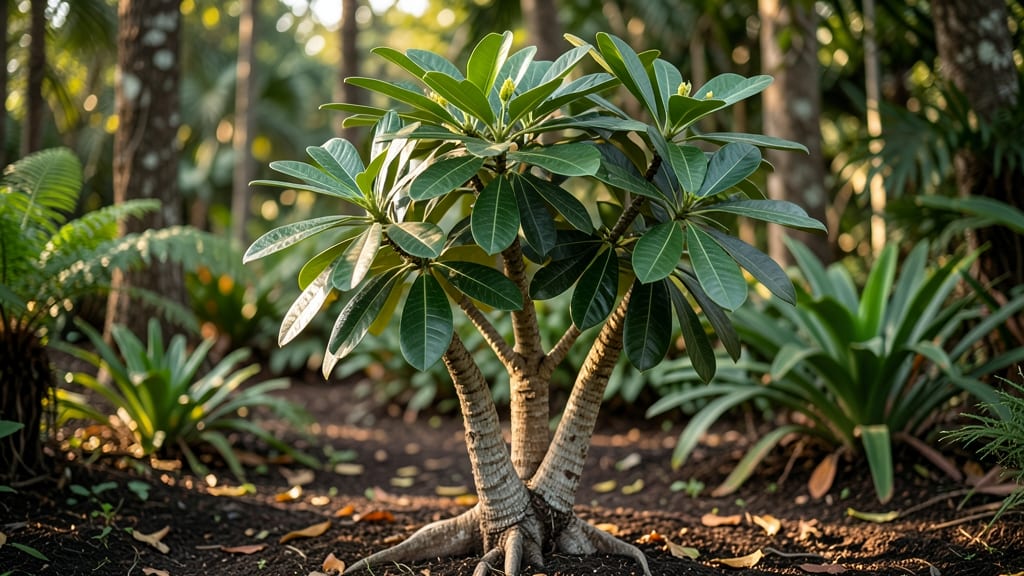
Your money tree planted outside thrives in summer but struggles long-term unless you know the secrets. 🌿 This tropical plant hates frost, heavy rain, and temperature swings, yet I've kept mine outdoors for summers with zero damage by following a few critical adjustments.
The key isn't forcing it to adapt but creating the right microclimate and seasonal routine.
Outdoor survival starts with a sheltered spot—think covered porch, patio, or under a tree canopy where temperatures stay above 50°F at night. Move it indoors before the first frost (or when temps drop below 60°F), and avoid soggy soil by watering only when the top 1-2 inches feel dry.
The biggest mistake? Leaving it out too long—yellow leaves mean it's already stressed.
If you love the look but hate moving it, try these outdoor-friendly alternatives with similar symbolism: olive trees (drought-tolerant), boxwoods (hardy shrubs), or bougainvillea (vibrant blooms).
Or, embrace the seasonal ritual: enjoy your money tree's lush growth outside in summer, then bring it back inside for winter—its leaves will stay fuller and greener year after year.
Here's the truth: most money trees planted outside permanently end up struggling. But with the right spot and seasonal care, yours can bounce back stronger every spring. The payoff? A plant that looks embarrassingly lush by summer and still carries its lucky symbolism indoors when it matters most.
📚 In This Guide
- What you need
- Instructions
- Tips and common mistakes
- Wrapping up and next steps
What you need
- ● Money Tree Plant: A healthy, potted Pachira aquatica (5-gallon pot or larger, ~3–5 feet tall). Pro tip: Choose one with multiple stems for a fuller look! 🌿
- ● Outdoor Pot: A durable, weather-resistant container (fiberglass, ceramic, or thick plastic) with drainage holes (12–18 inches in diameter, 12+ inches deep).
- ● High-Quality Potting Soil: A well-draining mix (50% peat moss, 30% perlite, 20% compost). Avoid garden soil—it compacts and suffocates roots! 🚫🌧️
- ● Mulch: Organic mulch (wood chips, pine bark, or coconut coir) to retain moisture and regulate soil temp (2–3 inches thick).
- ● Garden Gloves: Heavy-duty gloves to protect hands from rough bark and soil.
- ● Trowel or Spade: For transplanting and soil adjustments.
- ● Watering Can or Hose: With a gentle spray nozzle (avoid blasting roots!).
- ○ Pruning Shears: Sharp, sterilized shears for trimming dead branches (optional but helpful for shaping!). ✂️
- ● Fertilizer: Balanced liquid fertilizer (10-10-10 or 20-20-20, diluted to half-strength) for seasonal feeding.
- ○ Shade Cloth (Optional): Lightweight fabric (30–50% shade) for hot climates to prevent leaf scorch.
- ○ Plant Support (Optional): A small stake or trellis if your money tree leans heavily.
- ● Climate Check: Ensure your zone is USDA 10–12 (or similar tropical/subtropical regions). Money trees cannot survive frost—plan to bring it indoors below 50°F (10°C). ❄️🌴
- ● Sunlight Spot: A location with bright, indirect light (3–6 hours daily). Avoid harsh afternoon sun.
- ● Wind Protection: Shelter from strong winds to prevent leaf damage.
How to prepare your money tree for outdoor success
Here’s how to transition your money tree from indoors to outdoors without shocking its delicate system.
🌿 Step 1: Acclimate Gradually to Outdoor Conditions
Your money tree (Pachira aquatica) thrives indoors but needs careful outdoor adjustment. Start by placing it in partial shade (morning sun only) for 3-4 hours daily for one week. Watch for leaf curl or browning—this signals too much direct sunlight. I always use a sheer curtain over the pot to diffuse light while still letting fresh air circulate.
Move it to a spot with dappled sunlight (like under a tree canopy) for the next 7-10 days. The goal is to let it adjust to 60-75°F temperatures without sudden exposure. If nighttime temps drop below 55°F, bring it back inside immediately—money trees are tropical and won’t tolerate cold drafts.
☀️ Step 2: Select the Ideal Outdoor Location
Choose a sheltered spot with indirect light and protection from wind. A patio, porch, or balcony with a north- or east-facing exposure works best. Avoid south or west sides where afternoon sun can scorch leaves within hours. I like to place mine near a brick wall—it absorbs heat during the day and radiates warmth at night, mimicking its native tropical climate.
Ensure the area has good airflow to prevent fungal issues, but avoid drafts from fans or AC vents. Money trees hate sudden temperature swings, so a covered porch or under a pergola is ideal. If you’re in a hot climate, provide afternoon shade with a lightweight shade cloth (30-50% coverage) to prevent leaf burn.
💧 Step 3: Adjust Watering for Outdoor Conditions
Outdoor air is drier, so your money tree will need more frequent watering—but never soggy soil. Water when the top 1-2 inches of soil feel dry to the touch. I use a moisture meter to check, as visual cues can be misleading in fluctuating weather. In containers, roots dry out faster, so water every 2-3 days in hot weather, reducing to every 4-5 days in cooler conditions.
Always water at the base of the plant, avoiding leaves to prevent fungal spores. Use room-temperature water (cold water shocks roots). If the soil feels dry only at the surface but damp below, water lightly—overwatering is the #1 killer of money trees outdoors. Mulch the soil surface with 1 inch of bark chips to retain moisture and regulate temperature.
✂️ Step 4: Prune and Fertilize for Outdoor Resilience
Before full outdoor exposure, trim any yellow or damaged leaves with sterilized pruning shears. This reduces stress and helps the plant focus energy on new growth. I also snip back any leggy stems by 1/3 to encourage bushier, more compact growth—outdoor conditions demand sturdier structure.
Fertilize every 6-8 weeks with a balanced liquid fertilizer (10-10-10 or 20-20-20). Dilute to half-strength to avoid burning roots. Money trees are light feeders, so over-fertilizing leads to salt buildup and leaf drop. Always water thoroughly after fertilizing to flush excess nutrients away from the root zone.
🪴 Step 5: Prepare for Seasonal Transitions
As temperatures drop below 60°F at night, move your money tree indoors before the first frost. I bring mine inside by mid-October in most climates. Before transitioning, reduce watering for 3-5 days to let the roots adjust to the smaller indoor pot. Place it in a bright, indirect-light spot (like an east-facing window) and resume normal care.
If you must leave it outside in mild winters (above 40°F), wrap the pot in bubble wrap and cover the top with a breathable frost cloth. Avoid plastic, which traps moisture and causes rot. In spring, reintroduce it to outdoor conditions slowly—1-2 hours daily for the first week—to prevent sunburn from sudden exposure.
Tips & tricks for perfect money tree outdoor Transition
Moving your money tree outside takes patience—but these small adjustments make all the difference. Here's what I've learned after helping plants thrive through multiple seasons.
Light Transition: During the first week in Step 1, position your sheer curtain so it filters about 50% of sunlight. This gradual reduction prevents leaf scorch while still allowing fresh air circulation. I notice the biggest difference when using a white, breathable fabric rather than dark curtains—it diffuses light more evenly.
Temperature Watch: Money trees are sensitive to nighttime temperatures below 55°F, so I recommend placing a small thermometer near your plant during the acclimation period. If you're in a transitional climate, consider using a portable heater (set to low) near the plant during chilly evenings to maintain that critical 60-75°F range without direct heat exposure.
Watering Wisdom: The 2-3 day watering schedule in Step 3 assumes standard outdoor conditions, but container plants dry out faster. I've found that adding a layer of coconut coir beneath the bark chips helps retain moisture for an extra day without risking root rot. Always check the soil's weight—lighter pots need more frequent watering than heavier ones.
Seasonal Prep: When bringing your money tree indoors in mid-October (Step 5), I suggest doing a final inspection for pests before moving it inside. Use a magnifying glass to check leaf undersides and stems—early detection prevents winter infestations that could harm your plant during dormancy.
Pro Tips for Money Tree Planted Outside
- Moving your money tree outside takes patience—but these small adjustments make all the difference.
- Light Transition: During the first week in Step 1, position your sheer curtain so it filters about 50% of sunlight.
- Temperature Watch: Money trees are sensitive to nighttime temperatures below 55°F, so I recommend placing a small thermometer near your plant during the acclimation period.
Frequently asked questions
Got questions about keeping your money tree thriving outside? Here are some of the most common concerns—and their solutions—to help you grow a lush, resilient plant year-round.
Can a money tree survive outside in winter?
A money tree (Pachira aquatica) is tropical and cannot tolerate frost or freezing temps. If you live in a cold climate, bring it indoors before temperatures drop below 50°F (10°C). For milder winters, move it to a sheltered spot like a garage or under a patio cover. Pro tip: Monitor local forecasts and act early—sudden cold snaps can kill even hardy plants!
How do I protect my money tree from pests when planted outside?
Outdoor money trees are vulnerable to spider mites, mealybugs, and aphids. To prevent infestations, spray leaves with neem oil or insecticidal soap weekly during warm months. Prune yellowing or chewed leaves immediately. Pro tip: Keep the soil moist but not soggy—dry conditions attract pests faster!
What’s the best way to overwinter a money tree outside?
If you can’t bring your money tree inside, insulate the pot with bubble wrap or a thick blanket, and place it in a frost-free area (like a basement with indirect light). Reduce watering to every 3–4 weeks and avoid fertilizing. Pro tip: Use a self-watering pot to prevent root rot from overzealous winter care!
Can I plant a money tree directly in the ground outside?
While possible in USDA Zones 10–11 (year-round) or as an annual in warmer climates, direct planting risks root rot, pests, and poor drainage. Instead, use a large container with drainage holes and well-draining soil mix. Pro tip: Add perlite or sand to the soil to improve aeration and prevent soggy roots!
Why are my money tree’s leaves turning yellow or dropping?
Yellow leaves usually signal overwatering, underwatering, or nutrient deficiency. Check the soil—it should be slightly moist but not soggy. If leaves drop suddenly, it may be stress from temperature swings or drafts. Pro tip: Trim affected leaves with clean scissors and adjust care (e.g., move to indirect light if scorched by sun).
How often should I water a money tree planted outside?
Water when the top 1–2 inches of soil are dry (usually 1–2 times per week in summer, less in winter). Outdoor pots dry out faster than indoor ones, so check daily in extreme heat. Pro tip: Use a moisture meter or the "finger test" to avoid guesswork!
Wrapping up and next steps
Growing a money tree (Pachira aquatica) outdoors is a rewarding journey that blends beauty with practicality—whether you’re pruning for shape, health, or even propagation! Remember, the key lies in timing, tools, and tender care, especially in your climate.
With the right techniques, your tree can thrive year-round, offering lush foliage and a touch of financial folklore to your outdoor space.
Ready to take the next step? Start small—pick one pruning task this season and observe how your tree responds. Over time, you’ll build confidence and create a stunning, low-maintenance centerpiece that’s as good for your wallet (in spirit!) as it is for your garden. 🌱✨ Happy pruning!