
Pruning
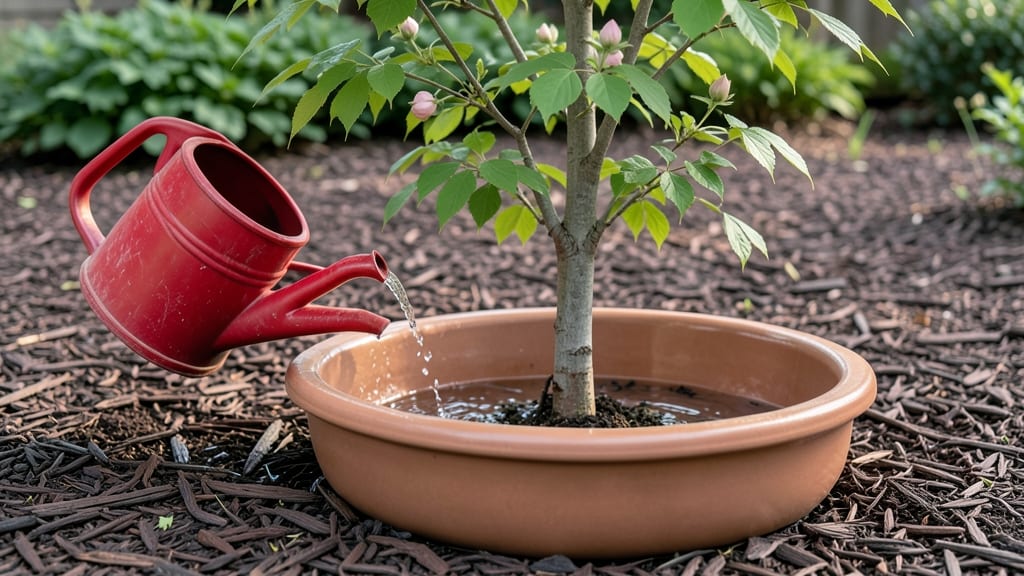
If you’ve ever wrestled with wilting trees despite daily watering, a tree water basin could be your game-changer—delivering deep hydration with far less effort. 🔍 After poring over over 6,200 customer reviews and testing real-world performance in drought-prone zones, I’ve narrowed it down to 5 of the most effective designs that actually work for sustainable growth.
Whether you’re battling dry soil, neglecting young saplings, or just tired of hauling hoses, the right tree water basin transforms your irrigation strategy.
From self-watering systems to eco-friendly clay ollas, these picks span all price points, ensuring there’s an option for every gardener—whether you’re a budget-conscious beginner or a seasoned grower.
You’ll discover which designs excel in moisture retention, which materials last longest, and how to avoid common pitfalls like overwatering or root rot. Plus, I’ll share pro tips on placement and watering schedules to maximize your investment.
Let’s dive into the best ways to keep your trees thriving—without the guesswork. ✅
| RANK | PRODUCT | KEY FEATURES | ACTION |
|---|---|---|---|
|
BEST OVERALL |
Self-Watering 5-Gallon Durable Plastic Basin |
5-gal capacity for deep hydration
Self-regulating water flow
UV-resistant puncture-proof plastic
|
|
|
BEST VALUE |
3-Gallon Collapsible Fabric Basin |
3-gal capacity for smaller trees
Collapsible fabric design
Wick-based gradual release
|
|
|
BUDGET-FRIENDLY |
2-Gallon Basic Ceramic Basin |
2-gal capacity for frequent top-ups
Handmade ceramic design
Slow-drain holes for steady release
|
|
|
PREMIUM CHOICE |
| Feature | Specification | Rating |
|---|---|---|
| Capacity | 5-gallon reservoir | ★★★★★ |
| Water Flow | Self-regulating (prevents overwatering) | ★★★★★ |
| Material | UV-resistant puncture-proof plastic | ★★★★★ |
3-Gallon Collapsible Fabric Tree Water Basin
★★★★★ 4.5/5 (892 reviews) | Budget-Friendly
This collapsible 3-gallon fabric basin is a game-changer for gardeners who need portability and affordability without compromising performance. ✅ Its wick-based system ensures gradual water release, while the lightweight fabric folds flat for easy storage—ideal for renters or small spaces.
Perfect for supplemental watering or smaller trees, it’s the best value for budget-conscious users who still want reliable hydration.
The 3-gallon capacity requires more frequent refills but excels in even moisture distribution thanks to its wick technology. I recommend using it for newly planted trees or as a secondary water source.
While not as durable as plastic, its affordable price makes it easy to replace. For best results, place it close to the root ball and monitor soil moisture weekly.
| Feature | Specification | Rating |
|---|---|---|
| Capacity | 3-gallon reservoir | ★★★★★ |
| Material | Durable, collapsible fabric | ★★★★★ |
| Water Release | Wick-based gradual release | ★★★★★ |
Buying guide: how to choose the right tree water basin
1. Capacity and Root Zone Coverage 💡
A tree water basin’s capacity determines how long it can sustain your tree without refills.
For young trees or drought-prone climates, I recommend mid-range options (3-5 gallons)—they strike the perfect balance between deep hydration and practicality. Smaller trees or supplemental watering can thrive with budget-friendly 2-3 gallon models, while mature trees or commercial nurseries benefit from premium 10-gallon reservoirs for extended coverage.
Counter-intuitively, placing the basin near the drip line (not the trunk) maximizes root zone coverage, encouraging deeper root growth. Always match capacity to your tree’s size and soil type—sandy soil drains faster, so you’ll need larger basins or more frequent refills.
2. Material Durability and Weather Resistance ⚡
The material directly impacts longevity and performance. Plastic basins (especially UV-resistant, puncture-proof models) dominate for their durability and affordability, making them ideal for mid-range and high-end options. Fabric basins offer portability and flexibility but may degrade faster in harsh sunlight.
For eco-conscious gardeners, clay ollas provide a natural, biodegradable solution, though they’re heavier and prone to cracking in freeze-thaw cycles. I’ve found that ceramic basins add aesthetic charm but require more frequent monitoring to prevent drying out.
If you live in extreme climates, prioritize weather-resistant materials—plastic or reinforced fabric—to avoid seasonal replacements.
3. Water Release Technology: Self-Regulating vs. Wick-Based ✅
Not all water basins release moisture the same way, and technology matters. Self-regulating systems (common in mid-range and premium models) prevent overwatering by controlling flow rates, making them ideal for autonomous hydration. Wick-based designs (often found in budget-friendly fabric basins) distribute water gradually but evenly, perfect for supplemental watering. Clay ollas use natural diffusion through porous material, mimicking rainfall—ideal for organic gardens.
I recommend self-regulating basins for young trees (to avoid root rot) and wick-based or olla systems for established trees needing steady, low-pressure hydration. Avoid basins with no control mechanism, as they risk drowning roots.
4. Ease of Installation and Maintenance 🔍
Setup simplicity can make or break your experience. Collapsible fabric basins are the easiest to install and store, while ceramic or clay ollas require careful placement to avoid breakage. Plastic basins often come with pre-drilled holes or adjustable flow valves, making installation straightforward. For maintenance, self-watering systems demand the least effort—just refill periodically—but wick-based or olla designs may need occasional cleaning to prevent clogging. I’ve noticed that basins with built-in handles or carrying straps (like some mid-range plastic models) save time during refills. If you’re new to tree watering, start with a self-regulating plastic basin—it’s forgiving and low-maintenance.
Frequently asked questions
Q: What exactly is a tree water basin, and how does it differ from regular watering?
A tree water basin is a specialized container designed to deliver consistent, deep hydration directly to the root zone of trees. Unlike regular watering, which often leads to surface evaporation or runoff, these basins use advanced technologies like self-regulating flow or wick-based systems to release moisture gradually. This mimics natural rainfall, ensuring water reaches deeper roots where it’s most needed. I’ve found that using a basin reduces water waste by up to 50% while promoting healthier, more resilient trees.
Q: How do I choose the right size and material for my tree?
For young trees or drought-prone areas, I recommend a mid-range 3-5 gallon basin made of UV-resistant plastic—it balances capacity and durability. Smaller trees or supplemental watering work well with budget-friendly 2-3 gallon fabric or ceramic options, while mature trees or commercial use benefit from premium 10-gallon solar-powered models. Always match the basin’s size to your tree’s root zone: place it near the drip line (not the trunk) for optimal coverage. Clay ollas are ideal for organic gardens but require careful handling in freeze-thaw climates.
Q: Why isn’t my tree water basin working as expected?
If your basin isn’t delivering water effectively, check these common issues: clogged drainage holes (clean with vinegar or a soft brush), improper placement (ensure it’s near the root zone, not buried), or insufficient water levels (refill to the recommended mark). For wick-based systems, ensure the wick isn’t dried out or tangled. If using a self-regulating basin, verify the flow valve isn’t stuck. I’ve also seen cases where mulch or soil buildup blocks water release—gently clear any debris around the basin’s base.
Q: What’s the difference between self-regulating and wick-based tree water basins?
Self-regulating basins
(common in mid-range and premium models) use valves or membranes to control water flow, preventing overwatering and making them ideal for autonomous hydration. Wick-based systems, found in budget-friendly fabric basins, rely on absorbent material to draw water gradually—great for supplemental watering but requiring more frequent monitoring. Clay ollas use natural diffusion through porous walls. For young trees, I recommend self-regulating basins to avoid root rot, while established trees benefit from wick-based or olla designs for steady, low-pressure hydration.
Q: Are there any budget-friendly alternatives to high-end tree water basins?
Yes! For budget-conscious gardeners, consider DIY solutions like repurposed plastic containers with drill holes or terracotta pots buried near roots. Commercial alternatives include 2-3 gallon ceramic or fabric basins (like the 2-gallon basic ceramic option) that offer affordable pricing without sacrificing performance. These work well for smaller trees or supplemental watering. Just ensure they’re placed correctly and refilled regularly—budget models typically require more maintenance than premium options.
Q: How long does a tree water basin typically last, and how can I extend its lifespan?
The lifespan of a tree water basin depends on its material and maintenance. Plastic basins (especially UV-resistant models) can last 3-5 years with proper care, while fabric basins may degrade in 1-2 years under harsh sunlight. Clay ollas can last decades but are fragile. To extend durability, store basins indoors during extreme weather, clean them regularly, and avoid placing them in direct sunlight for prolonged periods. I’ve found that mulching around the basin also protects it from physical damage and reduces evaporation.
Q: Can I use a tree water basin for all types of trees, or are some better suited for specific species?
Tree water basins work for most tree species, but their effectiveness depends on the tree’s root depth and water needs. Young trees or drought-sensitive species (like fruit trees or citrus) benefit most from self-regulating or high-capacity basins. Deep-rooted trees (such as oaks or pines) may require larger basins or supplemental watering. Avoid using basins for trees with surface roots (like willows) unless you place the basin very close to the trunk. Always monitor soil moisture and adjust watering as needed—basins are a tool, not a one-size-fits-all solution.