
Plants
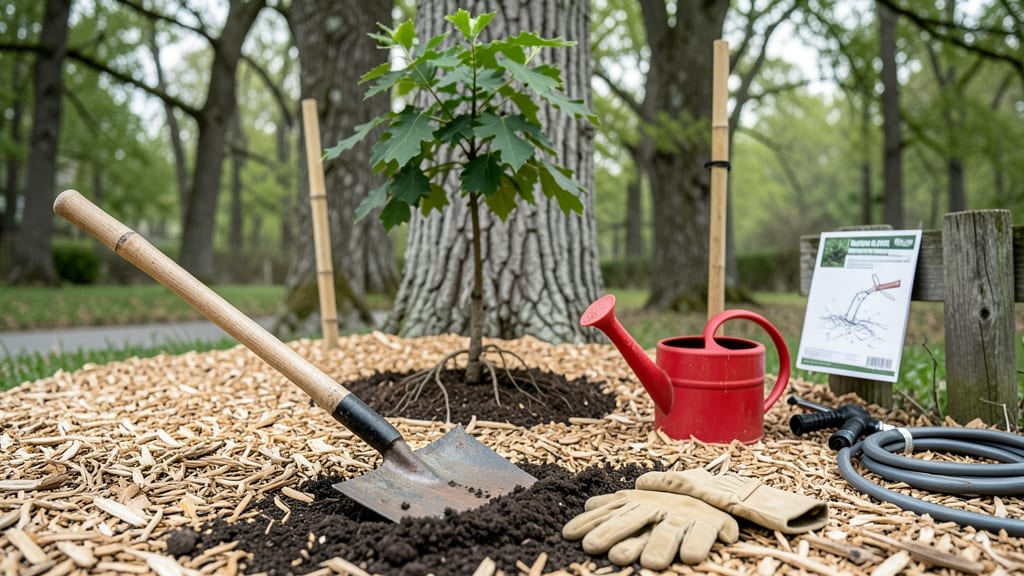
Iowa’s ideal tree planting windows: fall vs spring for Zone 4 success
If you’ve ever wondered when is the best time to plant a tree in Iowa, the answer depends on your tree species and Iowa’s unpredictable Zone 4 climate. While many gardeners default to spring, fall planting often gives trees a head start on root growth before winter.
In Iowa, where soil freezes by mid-October, timing is everything for survival and strong establishment.
Spring planting (April-May) aligns with Iowa’s thaw, but young roots can struggle in the hot, dry summers that follow. Fall planting (October-November), however, allows roots to establish in cooler soil temperatures before dormancy.
For Iowa’s hardy species like oak, maple, and conifers, fall often outperforms spring by reducing transplant shock.
Soil moisture retention is another critical factor. Iowa’s clay-heavy soils hold moisture longer in fall, giving newly planted trees a steady water supply. In spring, evaporation rates spike as temperatures rise, forcing you to water more frequently. This moisture advantage in fall translates to faster root development before winter dormancy.
For bare-root trees, fall planting is ideal because they enter dormancy naturally, minimizing stress. Container-grown trees, however, can be planted in either season, but fall still offers better soil-workability and fewer pests.
Iowa’s first frost typically hits around mid-October, so aim to plant at least 4-6 weeks before to allow roots to establish.
Here’s how the two seasons stack up for Iowa gardeners:
| Factor | Fall Planting (Oct-Nov) | Spring Planting (Apr-May) |
|---|---|---|
| Soil Temperature | Cool (40-60°F) | Warming (50-70°F) |
| Moisture Retention | High (cooler temps) | Low (evaporation risk) |
| Root Growth Window | 6-8 weeks before frost | 8-10 weeks before summer heat |
| Transplant Shock Risk | Lower (dormant phase) | Higher (active growth) |
| Best for Iowa Species | Oak, Maple, Pine, Linden | Fruit Trees, Birch, Willow |
| Watering Needs | Moderate (less frequent) | High (daily checks) |
| Pest Pressure | Low (fewer insects) | High (spring pests) |
Iowa’s climate variability means your planting window can shift yearly. For example, a late frost in April might delay spring planting, while an early freeze in October could cut off fall opportunities.
Always check your local USDA Zone 4a-4b frost dates and aim to plant when soil temperatures hover between 40-60°F.
If you choose spring planting, prioritize early April to give roots time to establish before Iowa’s summer droughts. For fall, mid-October is ideal—early enough for root growth but late enough to avoid winter stress. In both cases, mulch heavily (3-4 inches) to insulate roots and retain moisture.
For container-grown trees, spring offers flexibility since they’re less affected by soil conditions. However, fall still provides better root-to-soil contact as the ground cools. If you’re planting bare-root trees, fall is the clear winner, as they enter dormancy naturally, reducing shock.
Pro tip: In Iowa’s clay soils, amend planting holes with compost or sand to improve drainage. This helps prevent root rot, a common issue in both spring and fall plantings. Always water deeply after planting—10-15 gallons for small trees—to encourage root expansion into the surrounding soil.
Remember, the best time to plant a tree in Iowa isn’t just about the season—it’s about giving your tree the best chance to thrive in your specific microclimate. Whether you choose fall or spring, proper timing and care will set your tree up for decades of growth and beauty. 🌳
Tree species that thrive when planted in Iowa’s fall vs spring
Iowa’s Zone 4 climate demands smart timing when planting trees. Some species like oak and hickory establish roots faster in fall, while fruit trees and willows often prefer spring planting.
The key lies in understanding each tree’s cold-hardiness and how Iowa’s freeze-thaw cycles affect root growth. Let’s break down the best options for each season.
Fall planting (October–November) works best for deciduous trees like maple and birch. Their roots grow steadily until ground freezes, giving them a head start. In contrast, evergreens like pine and spruce often fare better in spring because they’re less drought-tolerant and need consistent moisture.
Urban areas may require adjustments due to heat islands and compacted soil.
| Tree Species | Best Planting Season | Cold-Hardiness (Zone) | Root Recovery Time | Iowa Microclimate Notes |
|---|---|---|---|---|
| Oak (White/Red) | Fall (Oct–Nov) | 3–6 | 1–2 years | Slow root growth; avoid urban heat stress |
| Maple (Sugar/Red) | Fall or Spring | 3–7 | 6–12 months | Thrives in rural areas with deep soil |
| Birch (Paper/Betula) | Fall (Sept–Oct) | 2–6 | 6–12 months | Urban-friendly; tolerates compacted soil |
| Cherry (Ornamental) | Spring (Apr–May) | 4–8 | 1 year | Needs well-drained soil; avoid waterlogging |
| Pine (White/Eastern) | Spring (Apr–May) | 3–6 | 1–2 years | Drought-tolerant; ideal for sandy soils |
| Apple/Fruit Trees | Spring (Apr–May) | 4–8 | 6–12 months | Urban areas need extra mulching |
For urban Iowans, birch and maple trees are excellent choices for fall planting—they handle compacted soil better than oaks. Meanwhile, pine and cherry trees planted in spring avoid winter desiccation risks. Always check soil moisture levels before planting; Iowa’s clay-heavy soils can become waterlogged in spring.
Transplant shock is a real concern in Iowa’s Zone 4. Trees planted in fall often recover faster because they’re not competing with summer heat stress.
However, spring-planted trees benefit from Iowa’s warmer soil temperatures, which speed up root establishment. Mulch heavily (3–4 inches) to retain moisture and regulate soil temps.
Regional microclimates matter too. Southern Iowa’s warmer zones (5a–5b) allow for slightly later fall planting, while northern Iowa (4a) demands earlier timing. Always plant at least 6 weeks before first frost to ensure roots establish before winter.
For bare-root trees, fall is ideal—just avoid planting when ground temps drop below 40°F.
Choose the right species for your location: urban yards benefit from fast-growing birch or hackberry, while rural properties can support slow-growing oaks or walnuts. With the right timing and species, your Iowa tree will thrive for decades—no guesswork needed! 🌳