
Pruning
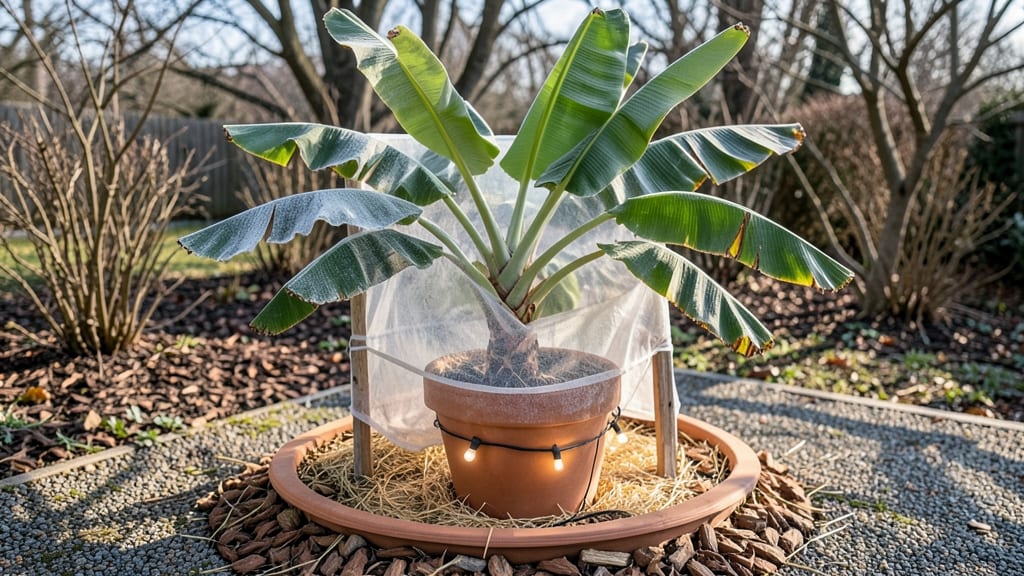
Your banana tree's survival through winter starts with banana tree winter protection—because even tropical plants can handle cold if you give them the right shield. 🌿 I learned this the hard way when my first banana plant lost its leaves after a surprise frost, only to bounce back stronger once I figured out the right techniques.
For zones 8-10, focus on mulching the base with 6-8 inches of straw or leaves to insulate roots, then wrap the trunk with burlap or bubble wrap to prevent cracking. In colder zones (7 and below), you'll need to move potted plants indoors near a sunny window or garage.
The key is keeping roots warm while protecting leaves from freezing air.
By spring, you'll see fresh fronds unfurling with vibrant green new growth—proof the plant survived. Even if leaves blacken, the trunk often stays alive to regrow. Just avoid common mistakes like overwatering dormant plants or using plastic that traps moisture against the trunk.
This method works for both in-ground and container banana trees, though potted plants give you more flexibility to move them indoors. The payoff? A banana tree that comes back year after year, ready to produce fruit again when temperatures rise.
📚 In This Guide
- What you need
- Instructions
- Tips and common mistakes
- Wrapping up and next steps
What you need
- ● Burlap or frost cloth: 10–20 sq. ft. (enough to wrap the entire plant, including leaves). Choose a breathable fabric rated for 15–25°F protection.
- ● Plastic wrap or clear plastic sheeting: 1–2 mil thickness, 10–15 sq. ft. (for extra insulation over burlap). Avoid direct contact with leaves to prevent rot.
- ● Stakes or wooden dowels: 4–6 pieces, 2–3 ft. long (to secure wrapping and create an air pocket around the trunk).
- ● Twine or zip ties: 1–2 rolls (to fasten burlap/plastic securely without crushing stems).
- ● Mulch (straw, pine needles, or wood chips): 3–4 inches deep (spread around the base of the tree to insulate roots).
- ● Pruning shears: Sharp, sterilized pair (to trim dead or damaged leaves before wrapping).
- ● Garden hose with spray nozzle: (for lightly misting leaves before wrapping to reduce frost risk).
- ● Insulated plant collar: Foam or cardboard wrapped around the trunk (adds 5–10°F extra protection).
- ● Mini greenhouse or cold frame: For potted banana trees (creates a microclimate for 20–25°F tolerance).
- ● Reflective bubble wrap: Cut into strips to wrap individual leaves (traps heat like a mini greenhouse).
- ● Thermometer: Soil probe type (to monitor root-zone temps—aim to keep above 32°F).
- ● Anti-desiccant spray: (e.g., Wilt-Pruf) to coat leaves before wrapping and reduce moisture loss.
Step-by-step guide to protecting banana trees in winter
Here’s how I’ve kept my banana trees thriving through chilly winters—no fancy equipment, just smart layering and timing.
🌱 Step 1: Choose the Right Location for Shelter
Move your banana tree to a sheltered spot before temperatures dip below 40°F. I pick a south-facing wall or large evergreen tree for wind protection—this blocks harsh winds that dry out leaves faster than cold itself. If you have a garage or shed, a covered corner works too, but avoid enclosed spaces where humidity builds up and invites rot.
Dig up the plant only if your winters drop below 25°F. For milder climates, mulching the base is enough. If you’re relocating, water the tree deeply 24 hours beforehand so roots stay hydrated during the move. Watch for yellowing leaves—this signals stress, and you’ll need to act faster if it happens.
🪴 Step 2: Mulch the Base Heavily
Spread 6-8 inches of straw or pine needles around the base of the banana tree, piling it higher against the trunk. This insulates roots from freezing temperatures. I avoid using leaves—they compact and trap too much moisture, which can rot the crown. For extra warmth, top the mulch with a 4-inch layer of bubble wrap (cut to size) or thick cardboard, leaving a small gap at the top for airflow.
If your banana tree is in a pot, wrap the container in insulated bubble wrap or place it inside a black plastic trash bag (poke holes for drainage). Never let the pot sit directly on cold ground—use a wooden pallet or bricks to elevate it slightly. You’ll know the insulation is working when the soil stays above 50°F even on the coldest nights.
☀️ Step 3: Cover the Canopy Strategically
Use a large cardboard box or burlap sack to shield the leaves from frost. Secure it loosely with twine—tight fits trap moisture and encourage fungal growth. For extra protection, drape a clear plastic sheet over the top (like a mini greenhouse) but leave the sides open to prevent suffocation. If snow accumulates, brush it off gently—too much weight can snap branches.
Check the cover weekly to ensure no condensation is forming inside. If you see moisture, remove the cover for a few hours to dry it out. I also tie the leaves together loosely with twine to reduce surface area exposed to cold. This trick helps prevent frost damage to individual fronds, which can weaken the whole plant.
⏰ Step 4: Monitor and Adjust Through Winter
Every 2-3 weeks, peek under the cover to check for signs of mold or rot. Healthy leaves should stay a deep green; yellowing or mushy spots mean you need better airflow. If temperatures drop unexpectedly, add an extra layer of blankets or old towels around the trunk. Avoid synthetic materials—they trap too much heat and can scorch the plant.
In late winter, when nights stay above 45°F, start removing covers during the day to let the tree acclimate. I do this gradually—first for a few hours, then overnight—to prevent shock. By early spring, the banana tree should be ready to return to its permanent spot, provided all frost risk has passed.
✂️ Step 5: Prune and Prepare for Spring
Once temperatures consistently stay above 50°F, trim any damaged or blackened leaves with sterilized pruners. Cut back to healthy green tissue only—never into brown or mushy areas. I also fertilize lightly with a balanced 10-10-10 mix to encourage new growth. Avoid heavy feeding until you see fresh shoots emerging from the base.
If your banana tree was potted, repot it into a slightly larger container if roots are circling. Use fresh well-draining soil mixed with compost to give it a nutrient boost. Water deeply but let the top 2 inches of soil dry out between waterings—overwatering in spring is just as damaging as winter neglect.
Tips & tricks for cold-hardy banana tree protection
Keeping your banana tree alive through winter takes more than just throwing a blanket over it—here's what actually works.
Location Matters: If you're moving your banana tree to a sheltered spot, test the location first by leaving it there for a full day during a 40°F drop. Watch how wind flows around the area—if leaves are still fluttering after 2 hours, it's not sheltered enough. I've seen trees thrive in south-facing spots that would freeze solid in north-facing ones. The key is finding that sweet spot where wind is blocked but sunlight still reaches the leaves for a few hours daily.
Mulch Like a Pro: The 6-8 inches of straw or pine needles isn't just about thickness—it's about creating an air pocket. Pack the mulch loosely around the trunk, leaving about 2 inches of space between the mulch and the base of the tree. This prevents rot while still insulating roots. For potted trees, I double-wrap the container first with bubble wrap, then add the mulch layer—this creates a thermal barrier that keeps soil temperatures above 50°F even in sub-zero nights.
Covering Secrets: That cardboard box or burlap sack needs ventilation holes you can't see. Cut small slits along the sides (about 1 inch wide) to allow airflow while still blocking wind. I've ruined trees by making them too airtight—condensation builds up and creates the perfect environment for fungal growth. The clear plastic sheet on top should only cover the leaves, not touch them. Think of it like a mini greenhouse effect, but with escape routes for moisture.
Spring Transition Strategy: When you're ready to remove winter covers in late winter (after nights consistently stay above 45°F), don't do it all at once. Start with just the plastic sheet during the day, then remove the box for a few hours. This gradual acclimation prevents shock that can cause leaves to yellow overnight. I've seen trees go from thriving to struggling in 24 hours when people remove all covers too quickly—don't make that mistake.
Pro Tips for Banana Tree Winter Protection
- Keeping your banana tree alive through winter takes more than just throwing a blanket over it—here's what actually works.
- Location Matters: If you're moving your banana tree to a sheltered spot, test the location first by leaving it there for a full day during a 40°F drop.
- Mulch Like a Pro: The 6-8 inches of straw or pine needles isn't just about thickness—it's about creating an air pocket.
Frequently asked questions
Got questions about keeping your banana tree cozy during winter? You’re not alone! Here are some of the most common concerns—and expert-backed answers to help you shield your tropical friend from the chill.
When should I start protecting my banana tree from winter?
Start preparing your banana tree for winter before the first frost hits—typically in late fall (October–November in most zones). Cold-hardy varieties (like Musa acuminata) can handle brief dips to 25°F, but prolonged cold or frost will damage leaves. Mulch the base, wrap the trunk, and move potted trees indoors or under cover before temperatures drop below 40°F for extended periods.
Can I keep a banana tree in a pot and move it indoors for winter?
Potted banana trees are the easiest to winter-protect. Move them to a bright, cool indoor space (like a garage or sunroom) with temperatures between 50–60°F. Reduce watering and avoid drafts. If space is tight, prune back dead fronds and fertilize lightly in spring to encourage regrowth. Just avoid heating vents—banana trees dislike dry, warm air!
What if my banana tree’s leaves turn black or wilt in winter?
Blackened or wilted leaves are classic signs of frost damage or overwatering in cold conditions. Prune affected fronds with clean, sharp shears to prevent rot. If the trunk is still firm, the tree may recover in spring. For severe damage, check roots for rot and adjust watering—banana trees need less water in winter when growth slows. A light layer of mulch can also insulate roots and retain moisture.
Are there cold-hardy banana tree varieties that need less winter care?
Yes! If you’re in USDA zones 7–10, consider these resilient varieties:
- Red Dacca: Tolerates brief cold snaps down to 20°F.
- Ice Cream Banana: Handles 25°F with minimal protection.
- Plantain: More frost-resistant than dessert bananas.
What’s the best mulch for banana tree roots in winter?
Use a 4–6 inch layer of organic mulch like straw, pine needles, or shredded leaves to insulate roots. Avoid dense materials that trap moisture (like grass clippings), which can lead to rot. For extra warmth, top with a thin layer of burlap or bubble wrap—just ensure airflow around the base to prevent fungal issues.
Wrapping up and next steps
Protecting your banana tree from winter’s chill doesn’t have to be a guessing game—just a few thoughtful steps can keep it thriving for seasons to come! 🌱 By choosing the right materials, insulating roots, and shielding foliage, you’re not just preserving a plant; you’re nurturing a resilient, year-round addition to your garden. Ready to give your banana tree the cozy care it deserves? Start by assessing its needs this week and roll up your sleeves—your tropical friend will thank you with lush, happy growth!
Next up:
- 📅 Check your local frost dates to time your winter prep perfectly.
- 🌡️ Monitor temperatures and adjust insulation as needed.
- 🌿 Plan a spring revival with pruning and fertilizer once warmer weather arrives!