
Blooming
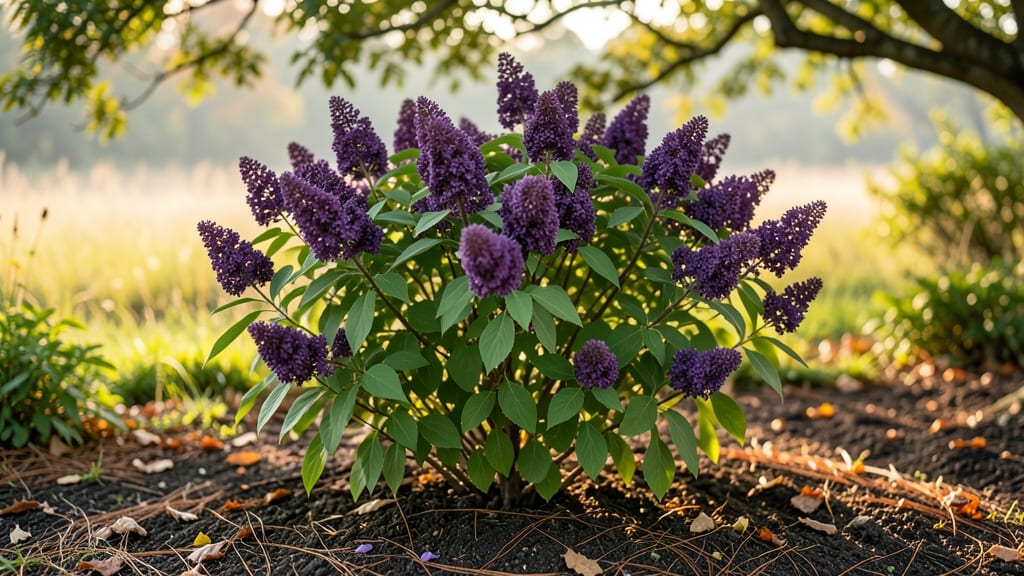
That dark purple 'Bloomerang' lilac tree form isn't just a spring showstopper—it's a year-round garden anchor with fragrance that lingers long after the blooms fade. 🌿 I planted mine last fall, and already it's stealing every conversation in the neighborhood with its dramatic color and compact, tree-like structure that fits perfectly in small spaces.
What makes this lilac stand out is its upright, layered branches that create natural tiers of blooms, unlike the bushy forms you're used to. The deep violet flowers appear in late spring, but the real magic happens when the foliage turns golden in fall—adding warmth to cooler days.
It thrives in full sun to partial shade, making it versatile for almost any landscape. You’ll love how it pairs with silver foliage plants like lamb’s ear or bright greens such as hostas, creating a striking contrast.
Prune lightly after flowering to maintain its shape, and watch it reward you with fragrance that fills the air for weeks. This isn’t just another lilac—it’s a dramatic, low-maintenance statement piece that works in modern or cottage-style gardens alike.
Perfect for mixed borders, small front yards, or even as a standalone specimen. Once established, it’s drought-tolerant and pest-resistant, meaning less work for you and more beauty for your garden. Here’s how to make the most of its unique form and color.
📚 In This Guide
- What you need
- Instructions
- Tips and common mistakes
- Wrapping up and next steps
What you need
- ● Bloomerang Dark Purple Lilac Tree Form: 1 (ensure it’s labeled for disease resistance and compact growth).
- ● Planting Hole: Width: 2–3x wider than the root ball.
- ● Depth: Equal to the root ball’s height.
- ● Well-draining Soil Mix: 50% native soil + 50% compost or organic matter (avoid heavy clay).
- ● Mulch: 2–3 inches of shredded bark or pine needles (keep 6 inches away from the trunk).
- ● Watering Can or Hose: With a gentle spray nozzle for post-planting hydration.
- ● Gloves & Long-Sleeved Clothing: To protect against thorns and soil-borne pathogens.
- ● Garden Trowel or Spade: For digging and amending soil.
- ● Pruning Shears: Sharp, sterilized shears for shaping after planting.
- ● Soil pH Test Kit: Lilacs thrive in slightly alkaline soil (pH 6.0–7.0).
- ● Staking System: If planting in windy areas (use biodegradable stakes).
- ● Slow-Release Fertilizer: 10-10-10 or lilac-specific formula (sprinkle lightly around the base).
- ● Sunlight: A location with full sun (6+ hours daily)—this lilac needs it to bloom dramatically!
- ● Drainage: Avoid low-lying areas where water pools (root rot is a silent killer!).
- ● Spacing: Plant at least 8–10 feet apart from other trees/shrubs for airflow.
- ● Local Regulations: Check if your area requires permits for large plantings.
How to plant and maintain a Bloomerang dark purple lilac tree for stunning year-round interest
This compact, fragrant lilac delivers bold color and intoxicating scent—here's how to make it thrive in your landscape.
🌱 Step 1: Choose the Perfect Planting Location
Select a site with full sun exposure (6-8 hours daily) and well-draining soil—this lilac variety blooms best when it gets plenty of sunlight. I always dig a hole twice as wide as the root ball but only as deep as the container's base. The key is to avoid planting too deeply, which can suffocate the roots and prevent flowering.
Test your soil's drainage by digging a 12-inch deep hole and filling it with water. If it drains completely within 1-2 hours, your site is perfect. For heavy clay soils, mix in 2-3 inches of compost to improve aeration and moisture retention. Bloomerang lilacs tolerate a range of soil types but perform best in slightly acidic to neutral conditions (pH 6.0-7.0).
🪴 Step 2: Plant with Proper Spacing and Support
Position your lilac 6-8 feet from structures or other plants to allow for mature spread while maintaining airflow. This variety grows in a compact, multi-stemmed form, so I always plant it slightly deeper than the root ball—about 1-2 inches lower than its container level. This encourages strong root establishment without burying the trunk.
Gently remove the plant from its container and loosen any circling roots with your fingers. Place it in the hole so the top of the root ball sits level with the surrounding soil. Backfill with native soil mixed with 1 part compost to improve fertility. Water deeply to eliminate air pockets and settle the soil around the roots. I like to create a 2-inch deep basin around the base to direct water during the first few weeks.
☀️ Step 3: Establish Watering and Fertilizing Routines
Water newly planted lilacs deeply 2-3 times per week for the first growing season, providing 1-2 gallons per watering to encourage deep root growth. You'll know you're doing it right when the soil feels moist 6 inches down after watering. Reduce frequency to once weekly once established, as this drought-tolerant variety stores moisture well.
Apply a balanced, slow-release fertilizer (10-10-10) in early spring as new growth begins, following package rates. I avoid high-nitrogen fertilizers—they promote leafy growth at the expense of flowers. Mulch around the base with 2-3 inches of organic mulch, keeping it 6 inches away from the trunk to prevent rot. This helps retain moisture and regulate soil temperature while suppressing weeds.
✂️ Step 4: Prune for Health and Abundant Blooms
Prune your Bloomerang lilac immediately after flowering to maintain its compact form and encourage next year's blooms. Remove 1/3 of the oldest stems at ground level to rejuvenate the plant and stimulate new growth from the base. I always use clean, sharp pruners and make cuts at a 45-degree angle just above a bud or lateral branch.
Thin out crowded branches in late winter or early spring to improve airflow and sunlight penetration. Never prune in fall, as new growth won't harden off before winter. Watch for suckers at the base—remove them promptly to maintain the tree's multi-stemmed form. This variety blooms on both old and new wood, so proper pruning ensures continuous floral displays from late spring through summer.
🌿 Step 5: Protect and Maintain for Long-Term Beauty
Monitor for common pests like aphids or spider mites, which can stress the plant. I treat infestations with a strong spray of water or horticultural oil in early morning to avoid harming beneficial insects. This variety is generally disease-resistant, but watch for powdery mildew in humid conditions. If you see white powder on leaves, apply a fungicide and improve airflow around the plant.
In late fall, remove any remaining flower stalks and rake up fallen leaves to reduce disease risk. While lilacs are hardy to USDA Zone 3, young plants may need winter protection in colder climates. Wrap the base with burlap or use a thick layer of mulch to insulate roots. With proper care, your Bloomerang lilac will reward you with fragrant, dark purple blooms for decades, becoming a standout feature in your landscape.
Tips & tricks for perfect Bloomerang dark purple lilac tree form
These simple yet critical details will help your fragrant lilac thrive and deliver stunning blooms year after year.
Sunlight Strategy: While 6-8 hours of daily sun is ideal, I've found that morning sun (especially east-facing exposure) paired with afternoon shade works beautifully in hotter climates. The key is avoiding midday sunburn on young leaves, which can stress the plant. If your location gets intense afternoon sun, consider planting near a structure that provides partial afternoon shade during the hottest months.
Root Ball Technique: When removing your lilac from its container, I recommend soaking the root ball in water for 10-15 minutes before loosening the roots. This helps prevent transplant shock by keeping the roots hydrated during the delicate transition. The 1-2 inch deeper planting depth mentioned in Step 2 is crucial—this creates a stable base while allowing the trunk to remain visible and healthy.
Watering Wisdom: For that critical 6-inch soil moisture check after watering, I suggest using a soil probe or even a long screwdriver to verify depth. In sandy soils, you may need to water more frequently than the 2-3 times per week guideline, while clay soils might require less. I've found that watering in the early morning (before 9 AM) minimizes evaporation and gives roots the full day to absorb moisture.
Pruning Precision: That 1/3 oldest stems pruning ratio in Step 4 might seem arbitrary, but it's based on the lilac's natural growth cycle. I always mark the stems I'll remove with twine before cutting to ensure I'm maintaining that perfect balance. For the 45-degree angle cuts, visualize slicing the stem just above a bud—this encourages new growth in the right direction while maintaining the tree's compact form.
Pro Tips for Bloomerang Dark Purple Lilac Tree Form
- These simple yet critical details will help your fragrant lilac thrive and deliver stunning blooms year after year.
- Sunlight Strategy: While 6-8 hours of daily sun is ideal, I've found that morning sun (especially east-facing exposure) paired with afternoon shade works beautifully in hotter climates.
- Root Ball Technique: When removing your lilac from its container, I recommend soaking the root ball in water for 10-15 minutes before loosening the roots.
Frequently asked questions
Got questions about the Bloomerang Dark Purple Lilac Tree? You’re not alone! Here are some of the most common inquiries—plus straightforward answers to help you make the best decisions for your garden.
How fast does the Bloomerang Dark Purple Lilac Tree grow?
The Bloomerang Dark Purple Lilac is a fast-growing tree, typically adding 12–24 inches per year under ideal conditions. With proper care—full sun, well-draining soil, and regular pruning—you can expect a 10–15-foot height within 5–7 years. Patience pays off, though, as mature trees (15–20 feet) offer the most dramatic blooms and fragrance!
When is the best time to plant a Bloomerang Lilac Tree?
Plant your Bloomerang Dark Purple Lilac in early spring or fall for the best results. Avoid extreme heat or frost, as these can stress the tree. Pro tip: If planting in late fall, do so at least 6 weeks before the first expected frost to allow roots to establish before winter. Spring planting (March–April) gives the tree a full growing season to thrive!
Why isn’t my Bloomerang Lilac blooming as expected?
Several factors can affect blooming, but don’t worry—most issues are fixable! Common culprits include:
- Insufficient sunlight: Lilacs need 6+ hours of direct sun daily. If shaded, consider relocating or pruning nearby trees.
- Over-fertilizing: Too much nitrogen promotes leafy growth at the expense of flowers. Use a balanced fertilizer (10-10-10) in early spring.
- Improper pruning: Prune right after blooming (not in fall) to avoid cutting off next year’s flower buds.
- Age: Young trees (under 3 years) may bloom lightly. Give them time—they’ll reward you with abundant, fragrant blooms as they mature!
Can I grow a Bloomerang Lilac in a container or small yard?
While the Bloomerang Lilac prefers open spaces, you can grow it in a large container (at least 24–36 inches wide) if your yard is small. Use a well-draining potting mix and upgrade to a bigger pot every 2–3 years. However, container-grown lilacs may bloom less prolifically than those planted in the ground. For maximum impact, pair it with dwarf varieties or opt for a spreading shrub form if space is tight!
Are Bloomerang Lilacs deer-resistant?
While not fully deer-proof, Bloomerang Lilacs are less appealing to deer than many other plants. Deer may nibble on young shoots or leaves, but they’re more likely to avoid mature trees with thorny branches and strong fragrance. To deter them further:
- Apply deer repellent sprays (like garlic-based options) during growing seasons.
- Plant near deer-deterrent companions, such as lavender or boxwood.
- Use physical barriers (like fencing) for young trees until established.
Wrapping up and next steps
The Bloomerang Dark Purple Lilac isn’t just a tree—it’s a year-round masterpiece that transforms your garden into a fragrant, vibrant haven. With its dramatic dark purple blooms and long-lasting fragrance, it’s the perfect choice for adding color and charm to any landscape.
Whether you’re a seasoned gardener or just starting, this lilac is a low-maintenance yet high-reward addition that will wow your neighbors and brighten your days.
Ready to bring home this stunning star? Start by researching local nurseries or trusted online plant sellers, then plan your planting spot for maximum impact. Your garden—and your senses—will thank you! 🌸💜