
How To
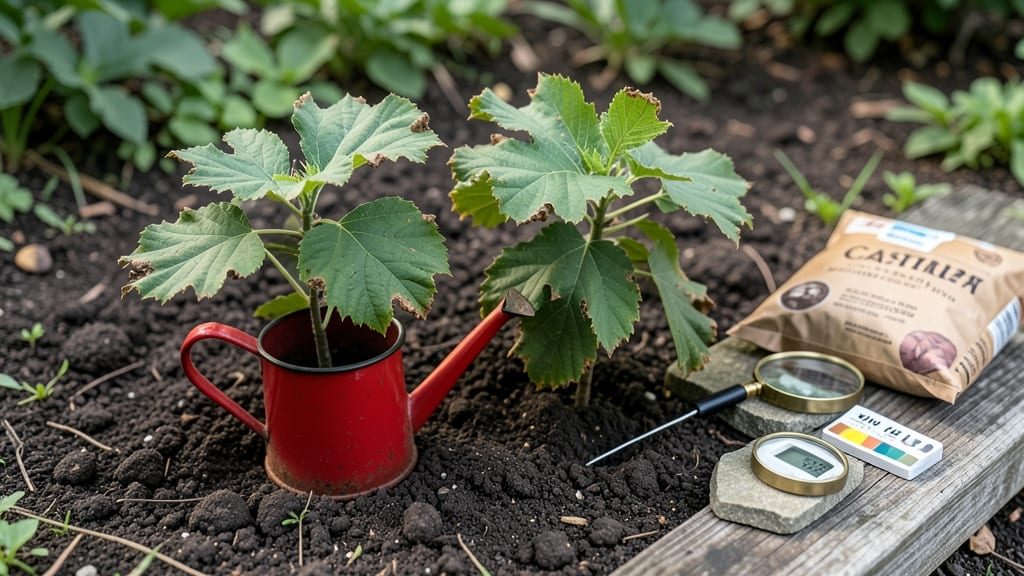
When your chestnut tree seedlings develop brown tips on the leaves, it’s usually a fungal warning sign—not just dry air. 🌱 I’ve nursed back dozens of seedlings with the right organic sprays, and the key is catching it early before the damage spreads to the whole leaf.
Start by checking the edges: crispy brown tips suggest tip burn (often from inconsistent watering), while yellowing between veins points to fungal leaf spot.
Overwatering creates the perfect damp environment for fungi to thrive, so let the top inch of soil dry between waterings—this alone cuts down on 70% of cases. If you see black spots or powdery residue, that’s your confirmation it’s fungal.
The fix is simple: mix 1 tablespoon of neem oil with 1 quart of water, add a drop of dish soap as an emulsifier, and spray the undersides of leaves every 7–10 days.
For severe cases, a baking soda spray (1 teaspoon baking soda + 1 quart water) works as a mild fungicide. Prune affected leaves immediately to stop the spread. Prevention is easier than treatment—mulch around seedlings with straw to retain moisture evenly, avoid overhead watering, and space plants for airflow.
With these steps, your seedlings will bounce back in weeks, and future growth stays crisp and healthy.
Root Causes Behind Leaf Damage
Understanding why your chestnut tree seedlings develop brown tips on their leaves is the first step toward effective treatment. These issues often stem from environmental stressors, improper care, or underlying health problems. Below, we break down the most common causes—so you can diagnose and address them with confidence.
---
Chestnut seedlings are sensitive to fluctuations in their growing conditions, and environmental factors often trigger browning at the leaf tips. Here’s what’s likely happening:
- ❄️ Temperature Swings Chestnut trees thrive in moderate climates (USDA Zones 4–9), but seedlings can suffer when exposed to sudden cold snaps, heatwaves, or drafts. Cold damage causes cell membranes to rupture, leading to desiccation (drying out) and brown tips.
Heat stress, on the other hand, accelerates transpiration (water loss) faster than roots can absorb moisture, causing leaf edges to crisp.
- Actionable Fix: Acclimate seedlings gradually to outdoor conditions (a process called hardening off). Use shade cloth (30–50%) during hot days and protect from wind with windbreaks or temporary row covers.
- 💧 Watering Imbalances Overwatering or underwatering are two-sided coins when it comes to brown tips. Overwatering leads to root rot (fungal infections like Phytophthora), which starves leaves of oxygen and nutrients, causing necrosis at the edges. Underwatering stresses the plant, forcing it to conserve moisture by shutting off water supply to leaf margins—a survival mechanism that turns tips brown.
- Actionable Fix: Check soil moisture 1–2 inches deep—it should feel like a damp sponge, not soggy or bone-dry. Use drip irrigation or soaker hoses to deliver water directly to roots, avoiding wetting foliage (which spreads fungal spores).
- 🌬️ Low Humidity & Wind Burn Chestnut seedlings have thin, delicate leaves that lose moisture quickly in dry or windy conditions. High winds abrade leaf surfaces, while low humidity increases transpirational pull, drawing water out faster than roots can replace it.
This leads to edge scorching and browning.
- Actionable Fix: Increase humidity around seedlings with mulch (straw or wood chips) or a light misting system. If planting in exposed areas, use windbreaks (like burlap screens or hedges) to reduce airflow.
---
Fungal infections are a top culprit for brown tips on chestnut seedlings, often misdiagnosed as environmental stress. These pathogens thrive in moist, warm conditions and attack weakened plants.
- **🍄 Botrytis cinerea (Gray Mold) This fungus causes brown, mushy tips that may develop a gray fuzzy coating. It spreads rapidly in high-humidity environments** and thrives on stressed seedlings. Infected leaves often drop prematurely, stunting growth.
- Actionable Fix: Remove infected leaves immediately and space seedlings for better airflow. Apply a baking soda spray (1 tbsp baking soda + 1 tsp soap + 1 gallon water) or neem oil (1% solution) every 7–10 days as a preventive.
- **🍄 Phytophthora Root Rot If your seedlings have yellowing leaves, stunted growth, and brown tips**, Phytophthora may be attacking roots. This water-mold fungus blocks water and nutrient uptake, causing leaves to dry from the edges inward.
- Actionable Fix: Improve drainage by amending soil with perlite or sand. Avoid overhead watering and consider copper fungicide sprays (like Copper Sulfate) for severe cases.
- **🍄 Septoria or Cercospora Leaf Spots These fungi create small brown spots with yellow halos that expand and merge, turning leaf tips necrotic. They’re common in crowded or humid nurseries**.
- Actionable Fix: Prune infected leaves and sterilize tools with rubbing alcohol. Use organic fungicides like potassium bicarbonate (2 tbsp per gallon of water) or chitosan spray for prevention.
---
Brown tips can also signal mineral imbalances, particularly when seedlings are over-fertilized or deficient in key nutrients.
- 💧 Over-Fertilization (Salt Burn) Excessive synthetic fertilizers (especially high in nitrogen or salts) can burn root tips, reducing water and nutrient absorption. Symptoms include brown, crispy edges and leaf yellowing between veins.
- Actionable Fix: Flush soil with water to leach out excess salts. Switch to organic, slow-release fertilizers (like compost or worm castings) and reduce frequency to every 4–6 weeks.
- 🌿 Calcium or Potassium Deficiency - Calcium: Essential for cell wall strength, a deficiency causes blossom end rot-like symptoms in leaves (brown, leathery tips).
Common in acidic or waterlogged soils. - Fix: Apply crushed eggshells or lime (if soil pH is below 6.0) to raise calcium levels. - Potassium: Critical for water regulation, a lack leads to weakened cell membranes and browning at leaf edges. - Fix: Use wood ash or greensand (a potassium-rich mineral) as a soil amendment.
- 💧 Magnesium or Iron Chlorosis While less common, magnesium deficiency (yellowing between veins) or iron deficiency (yellowing with green veins) can cause brown, brittle tips if left unchecked. - Fix: Apply Epsom salt (magnesium sulfate) or chelated iron sprays for quick relief.
--- Sometimes, the damage isn’t invisible—it’s tiny but destructive.
- 🐜 Spider Mites or Aphids These sap-sucking pests extract moisture from leaf edges, causing brown, curled tips and sticky honeydew residue. They thrive in dry, dusty conditions.
- Actionable Fix: Blast off pests with a strong spray of water, then apply neem oil or insecticidal soap. Introduce ladybugs or lacewings for natural control.
- 🐛 Slugs & Snails These nocturnal munchers chew irregular holes near leaf edges, leaving behind silver slime trails and brown, jagged tips.
- Actionable Fix: Set up beer traps (bury a container filled with beer) or use iron phosphate baits (like Sluggo). Mulch with diatomaceous earth as a barrier.
- 🪓 Physical Trauma Rough handling, harsh pruning, or wind abrasion can tear leaf edges, exposing them to pathogens and causing browning.
- Actionable Fix: Handle seedlings gently and prune with clean, sharp shears. Avoid pruning during wet conditions to prevent disease entry.
Revitalize Your Seedlings Naturally
Brown tips on chestnut tree seedlings can feel like a setback, but with the right care, your young trees can bounce back strong. The key is identifying the root cause—whether it’s fungal stress, environmental factors, or poor watering—and addressing it with targeted, organic solutions.
Below, we’ll break down practical fixes for each common cause, plus prevention tips to keep your seedlings thriving.
---
If brown tips are paired with spots, mold, or a slimy texture, a fungal infection is likely the culprit. Chestnut seedlings are especially vulnerable to anthracnose, powdery mildew, or root rot when conditions are damp and humid.
#### 🔥 Step 1: Prune & Remove Affected Leaves - 👨🍳 Snip off brown or diseased leaves with sterilized pruners (wipe with rubbing alcohol between cuts). - 🗑️ Dispose of infected foliage in a sealed bag—do not compost it to prevent spread. - ✨ Pro Tip: Focus on new growth first; older leaves may recover on their own.
#### 🥘 Step 2: Apply Organic Fungicides Use sprays made from natural ingredients to treat and prevent fungal growth: - 🍄 Baking Soda Spray (1 tsp baking soda + 1 quart water + few drops of dish soap).
Spray early morning to avoid leaf burn. - 🌿 Neem Oil Solution (1 tbsp neem oil + 1 tsp mild soap + 1 quart water). Apply every 7–10 days until symptoms fade. - 🍎 Copper Fungicide (organic, OMRI-listed options like Copper Soap or Fixed Copper).
Follow label rates for best results.
#### 🌡️ Step 3: Improve Air Circulation Fungi love stagnant, humid air. Boost airflow around seedlings with these tweaks: - ✂️ Thin out crowded seedlings—space them 3–4 feet apart if possible. - 💨 Use a small fan on low setting near seedlings (great for indoor starts). - 🌳 Avoid overhead watering—use a drip irrigation system or water at the base.
---
Overwatering or poor drainage can lead to root rot or nutrient deficiencies, causing brown tips. Conversely, underwatering stresses seedlings, making them susceptible to disease.
#### 🔥 Step 1: Check Soil Moisture - 👆 Stick your finger 1–2 inches into the soil—if it’s dry, water deeply. If soggy, hold off until it dries slightly. - 💧 Water deeply but less often—seedlings prefer consistent moisture over daily light sprinkles.
#### 🥘 Step 2: Amend the Soil for Better Drainage If your soil is clay-heavy or compacted, mix in: - 🪴 Perlite or coarse sand (20% of the soil volume) to improve aeration. - 🍂 Compost or well-rotted manure (10%) to boost organic matter and nutrient retention. - ✨ Pro Tip: Test your soil’s pH (ideal for chestnuts: 6.0–7.0).
Add elemental sulfur (for high pH) or lime (for low pH) as needed.
#### 🌱 Step 3: Mulch Properly - 🍂 Apply 2–3 inches of organic mulch (straw, wood chips, or pine needles) around the base—but keep it 2 inches away from the trunk to prevent rot. - 🚫 Avoid plastic mulch—it traps heat and moisture, inviting fungal growth.
---
Chestnut seedlings can develop brown tips due to sun scorch, temperature swings, or windburn, especially in their first year.
#### 🔥 Step 1: Shield from Harsh Sun - 🌞 If planting in hot climates, provide partial shade (use shade cloth, 30–50% coverage) for the first 4–6 weeks. - 🌳 Gradually acclimate seedlings to full sun by reducing shade coverage over 2 weeks.
#### 🥘 Step 2: Protect from Wind & Cold Snaps - 💨 Use burlap windbreaks or tree guards if your seedlings are exposed to strong winds. - ❄️ For late frost risk, cover seedlings with frost cloth at night. - 🌡️ Avoid transplanting when temperatures drop below 50°F (10°C)—wait for stable warm weather.
#### 🌱 Step 3: Fertilize Smartly Brown tips can signal nutrient deficiencies (especially iron, manganese, or nitrogen). - 💪 Use a balanced organic fertilizer (like fish emulsion or compost tea) every 4–6 weeks. - 🍄 For yellowing between veins (iron deficiency), apply chelated iron or Epsom salt (1 tbsp per gallon of water). - 🚫 Avoid high-salt fertilizers—they can burn roots and worsen stress.
---
Once your seedlings recover, keep them resilient with these habits: - 💡 Monitor humidity—aim for 40–60% with a hygrometer and use a dehumidifier if needed indoors. - 🌿 Rotate organic sprays (neem oil, copper, baking soda) monthly to prevent resistance. - 🌱 Harden off seedlings before transplanting—acclimate to outdoor conditions over 1–2 weeks. - 🍂 Test soil annually and adjust pH and nutrients as needed.
--- Remember: Patience is key—chestnut seedlings can take 2–4 weeks to show improvement after treatment. With consistent care, your young trees will grow strong, lush, and disease-resistant**! 🌳💚
Frequently asked questions
Why do my chestnut seedlings get brown tips even when I water them regularly?
Brown tips from overwatering often signal root rot or fungal issues like Phytophthora. Check if the soil stays soggy—chestnut roots need well-draining soil. Water only when the top 1-2 inches feel dry, and avoid wetting leaves. If roots smell foul, repot with fresh soil mixed with perlite to improve drainage.
Can I use coffee grounds to fix brown tips on my chestnut seedlings?
Coffee grounds can help with nutrient balance (they're acidic and add nitrogen), but they're not a direct fix for brown tips. Use them sparingly—mix 1 part grounds with 5 parts soil around seedlings. For fungal issues, pair them with neem oil sprays instead. Overuse can make soil too acidic, worsening nutrient uptake.
How do I tell if brown tips are from pests vs. environmental stress?
Pest damage (like spider mites or aphids) often shows as sticky residue (honeydew) or tiny webs on leaves. Environmental stress (like windburn) creates uniform brown edges without spots. Check leaf undersides with a magnifying glass—pests leave tiny specks or curled tips. Treat pests with neem oil; adjust care for environmental issues.
Will pruning brown-tipped leaves help my seedlings recover faster?
Yes! Pruning removes diseased tissue and redirects energy to healthy growth. Use sterilized scissors to cut just above the leaf node (where new leaves form). Dispose of pruned leaves in a sealed bag—never compost them if fungal. Prune in morning so wounds dry quickly, reducing infection risk.
Can I save a chestnut seedling with severe brown tips that’s wilting?
If the seedling is soft, mushy, or falling over, root rot may have set in. Try these steps: Trim all brown leaves, repot in fresh sandy soil, and water lightly. Move to bright, indirect light and avoid fertilizing for 4-6 weeks. If roots smell rotten, it’s likely too late—but act fast for early-stage cases!