
Trees
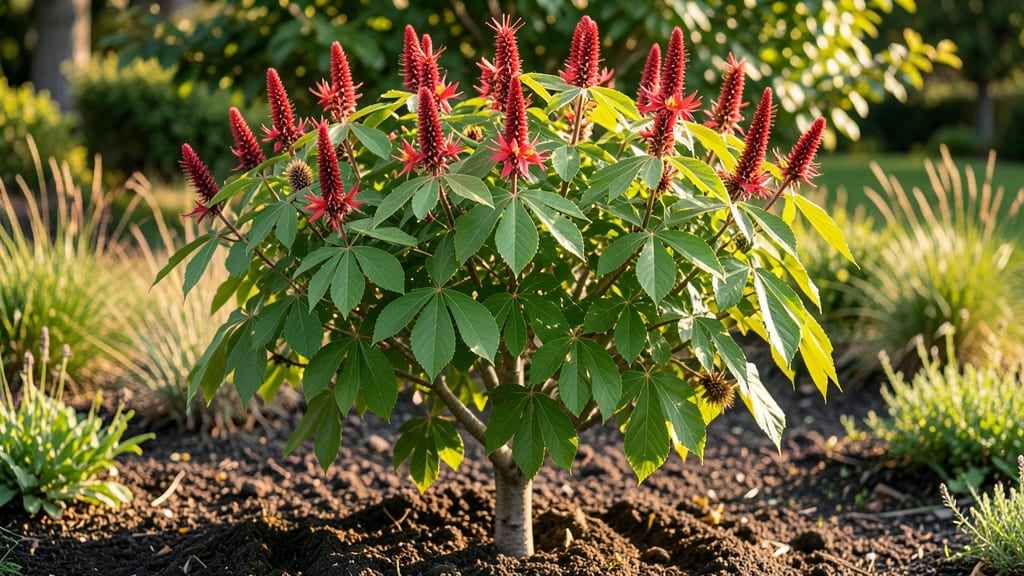
Colorado buckeye trees are native shrubs that flourish in the state's high-altitude regions, featuring drought-resistant qualities and distinctive glossy foliage, white blooms, and spiky seed capsules. These hardy plants thrive in zones 5-7 and handle Colorado's rocky, alkaline soils exceptionally well.
These native Colorado buckeyes aren't just tough—they're ecological workhorses. 🌿 The yellow buckeye (Aesculus glabra) and red buckeye (Aesculus pavia) varieties support local wildlife by providing food for birds and small mammals through their seed pods.
Their deep root systems also help stabilize soil on Colorado's often rocky hillsides. I've seen them survive through droughts that would kill less resilient plants, making them a smart choice for both native gardens and restoration projects.
Their adaptability extends beyond just survival—they actually improve soil quality over time by breaking down rocky terrain. This makes them particularly valuable in Colorado's challenging growing conditions. 💫 Whether you're planting for wildlife benefits or just looking for a low-maintenance native shrub, buckeyes deliver both beauty and functionality.
💡 In This Article
- Identifying Colorado’s Native Buckeye Varieties
- Optimal Planting and Care for Colorado Buckeye Trees
Identifying Colorado’s native buckeye varieties
Colorado hosts two primary buckeye species: the yellow buckeye (Aesculus glabra) and the red buckeye (Aesculus pavia). The yellow buckeye, native to eastern North America but adaptable to Colorado's high elevations, features compound leaves with 5-7 glossy green leaflets that turn yellow in fall.
Its white, fragrant flowers bloom in late spring, followed by spiky seed pods containing shiny, poisonous seeds—hence its nickname "horse chestnut." 🌸
In contrast, the red buckeye (Aesculus pavia) sports 5 leaflets with serrated edges and produces striking red flowers in early spring, often before leaf emergence. Its seed pods are smoother than the yellow buckeye's and contain fewer seeds.
Both species share a similar 10-15 foot mature height, but the red buckeye typically grows slightly wider, making it ideal for shrub borders in Colorado gardens.
The ecological roles of these species differ subtly: yellow buckeyes support wildlife through their longer seed production period, while red buckeyes provide early spring nectar for pollinators like bees.
Their deep taproots (reaching 6-8 feet) help prevent soil erosion on Colorado's rocky slopes, where many native plants struggle. 🌿 This makes them excellent choices for restoration projects in the state's high-desert regions.
One key identification trick is examining the leaf scars: yellow buckeye leaves leave a rounded scar when removed, while red buckeye scars are more heart-shaped. The flowers also differ—yellow buckeye blooms are upright, while red buckeye flowers droop slightly.
These distinctions help gardeners select the right variety for their Colorado landscape needs.
Colorado's native buckeyes also play a role in traditional uses: the seeds were historically used by some Native American tribes for polishes, though they're toxic when ingested. Their hardiness means they rarely require pesticides, making them an eco-friendly choice for Colorado's challenging growing conditions. 🌳
When selecting between varieties, consider your garden's microclimate: yellow buckeyes tolerate more shade, while red buckeyes thrive in full sun. Both handle Colorado's alkaline soils better than many ornamental shrubs, making them low-maintenance native alternatives to imported species.
For maximum identification accuracy, observe all three plant parts: leaves, flowers, and seed pods. The yellow buckeye's smooth seed pods contrast with the red buckeye's slightly furrowed pods, providing another key distinguishing feature. 🔍