
Trees
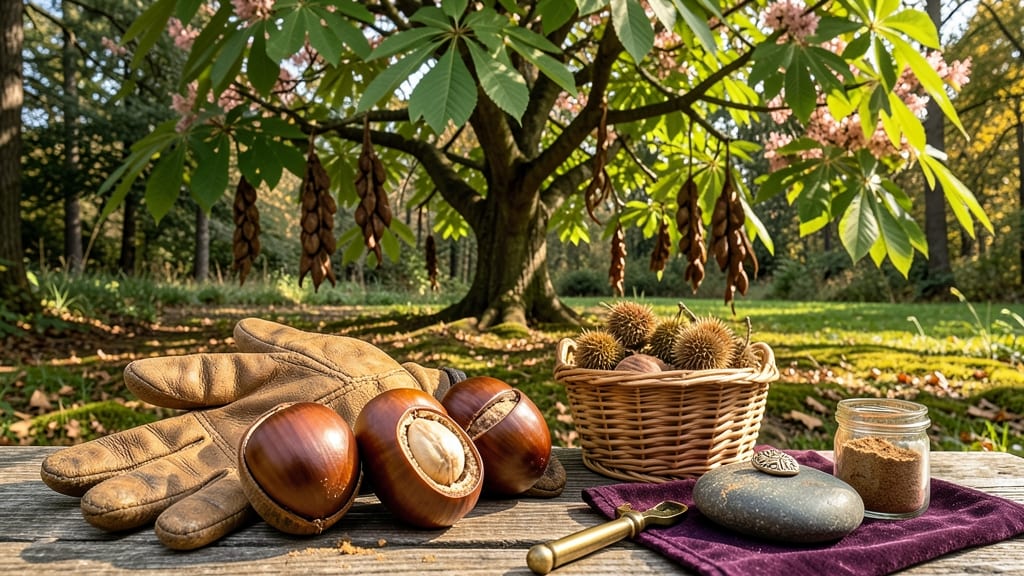
Buckeye tree nut uses are limited to ornamental and ecological purposes only, as the seeds contain deadly compounds like aesculin and saponins that cause severe poisoning when ingested. Never consume raw nuts from this tree; instead, use the plant for shade, wildlife habitat, or decorative landscaping.
While the nuts themselves are deadly, buckeye trees offer valuable non-edible benefits. Their striking foliage and glossy leaves make them popular for ornamental landscaping, especially in parks and large gardens. 🌿 The tree also serves as a natural habitat for birds and insects, supporting local ecosystems.
Some gardeners even use the dried seed pods for decorative arrangements or extract tannins from the bark for natural dyes.
If you're considering planting one, just remember: the beauty lies in the tree itself, not its seeds. Always keep pets and children away from fallen nuts, as even small amounts can be fatal.
The tree's hardiness and adaptability make it a great choice for shade and wildlife support—just avoid any temptation to use the nuts in cooking or crafts.
💡 In This Article
- Toxicity of Buckeye Tree Nuts: Chemical Composition and Health Risks
- Safe Uses for Buckeye Trees in Landscaping and Wildlife Gardens
Toxicity of buckeye tree nuts: chemical composition and health risks
The buckeye tree's nuts contain a lethal cocktail of compounds that make them deadly even in tiny amounts. The primary toxins are aesculin (a coumarin glycoside) and saponins, which disrupt cellular function at a molecular level.
Aesculin interferes with mitochondrial respiration, essentially starving cells of energy, while saponins create pores in cell membranes, leading to organ failure. 🔥 These compounds are concentrated in the seed's outer layers but permeate throughout the nut, making every part toxic.
Symptoms of ingestion appear within 30 minutes to 2 hours and include violent vomiting, diarrhea, excessive drooling, and muscle weakness. In severe cases, paralysis and respiratory failure can occur within 6-12 hours, often proving fatal. Children are particularly vulnerable due to their smaller size—just 1-2 seeds can be lethal.
The tree's scientific name, Aesculus hippocastanum, reflects its historical use in veterinary medicine, where controlled doses were administered to induce vomiting in animals, but human consumption carries no safe threshold.
What makes buckeye nuts uniquely dangerous is their appealing appearance. The glossy brown shells and creamy interior resemble edible chestnuts, tricking both humans and animals. Even roasting or cooking doesn't neutralize the toxins—heat only increases their bioavailability.
Veterinary cases show that horses and livestock often mistake fallen nuts for food, leading to widespread poisoning incidents in rural areas where these trees grow abundantly.
Toxicologists classify buckeye poisoning as an acute gastrointestinal irritant, meaning the damage occurs rapidly and systemically. Unlike some plant toxins that affect specific organs, buckeye compounds attack multiple systems simultaneously.
This is why immediate veterinary intervention is critical—there's no antidote, and treatment focuses solely on supportive care while the body flushes out the toxins through induced vomiting or activated charcoal administration.
The tree's toxicity extends beyond its nuts. All parts contain varying levels of harmful compounds, though the bark and leaves are less concentrated. However, chewing on twigs or drinking sap can still cause severe reactions.
This is why landscape professionals recommend wearing gloves when pruning and keeping pets away from freshly fallen nuts, which remain dangerous for up to 2 years after dropping from the tree.
Historically, Native American tribes used buckeye bark for arrow poison, demonstrating its long-standing reputation as a lethal substance. Modern science confirms what indigenous cultures knew intuitively—the tree's beauty masks a deadly secret.
The key takeaway? Admire buckeye trees for their ornamental value, but never let curiosity about their nuts outweigh the life-threatening risks. 💫