
Pruning
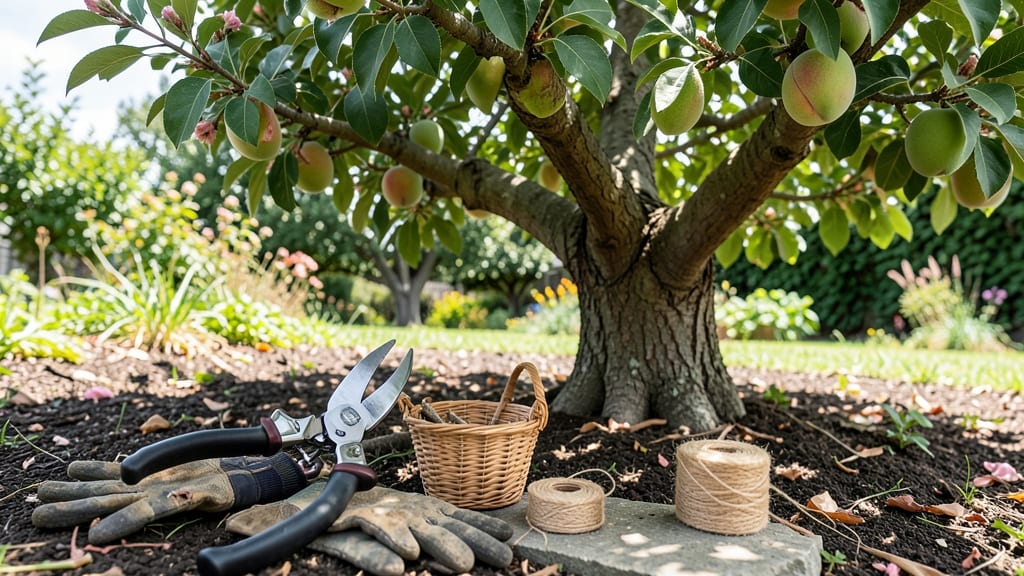
You can prune a peach tree after it blooms, but only with extreme caution—wait until fruit sets (6-8 weeks post-bloom) and remove only diseased or crossing branches to avoid reducing next year’s yield or harming current fruit development.
Peach trees produce flower buds in late summer/fall, which means any pruning after blooming risks cutting off next year's fruit potential. 🌸 The delicate balance lies in timing: once fruit appears (usually 6-8 weeks after bloom), you can trim deadwood or problematic branches, but avoid heavy cuts that stress the tree.
I’ve seen gardeners accidentally remove up to 30% of potential blooms by pruning too late—always prioritize fruit-bearing branches over aggressive shaping.
What’s interesting is how regional climates shift this window. In warmer zones, fruit sets faster, so you might prune as early as 4 weeks post-bloom, while cooler areas may need to wait until late summer.
The key is monitoring fruit size—once it’s pea-sized, the tree’s energy is committed to those fruits, making late cuts far less risky.
💡 In This Article
- How Late Pruning Affects Peach Tree Fruit Production
- Safe Post-Bloom Pruning Steps for Peach Trees
How late pruning affects peach tree fruit production
Peach trees form flower buds on spurs—short, woody segments along branches—during the previous growing season, typically between late summer and fall. These buds require 6-8 weeks of dormancy to mature fully, which means any pruning after bloom risks removing next year’s potential fruit.
When you cut branches post-bloom, you’re essentially pruning away next season’s harvest before it even forms. Studies show that aggressive late pruning can reduce flower bud count by up to 40%, directly translating to fewer peaches the following year.
The tree’s sap flow dynamics also shift after bloom. Early spring pruning (before bloom) allows the tree to heal quickly and direct energy toward new growth. But post-bloom, the tree’s resources are already committed to fruit development.
Cutting branches at this stage forces the tree to reallocate energy—either to heal wounds or support existing fruit, but rarely both effectively. 🌱 For example, a 3-inch diameter branch removed after fruit sets can create a wound that takes 2-3 years to fully seal, leaving the tree vulnerable to pests and disease during that time.
Fruit set timing varies by region, but the general rule is to wait until peaches are pea-sized (about 0.5 inches) before pruning. At this stage, the tree has already "decided" which flowers will become fruit, reducing the risk of removing future blooms.
However, even then, you must prioritize dead, diseased, or crossing branches over healthy ones. Removing more than 10-15% of the canopy at this point can stress the tree enough to cause fruit drop or stunted growth.
Consider the tree’s age too—young peach trees (3-5 years old) are more resilient to post-bloom pruning than mature trees because they have more energy reserves. Older trees, especially those bearing heavily, may struggle to recover from late cuts.
For instance, a 10-year-old tree with a 20-foot canopy might lose 20-30% of its fruit if pruned aggressively after bloom, while a 5-year-old tree might only lose 5-10%.
What most gardeners overlook is the hormonal response in peach trees. Pruning stimulates the production of auxin, a plant hormone that suppresses flowering.
If you prune too late, the tree may redirect its auxin production toward wound healing instead of flower bud formation, creating a two-year cycle of reduced fruit. This is why professional orchardists avoid post-bloom pruning entirely—it’s a gamble that can backfire spectacularly.
To visualize the impact, imagine a peach tree’s branches as a network of pipes delivering water (nutrients) to the fruit. Cutting a major branch after bloom is like bursting a pipe mid-stream—the tree can’t quickly reroute the flow, and some "fruits" (downstream branches) may dry up.
The tree’s recovery process involves compartmentalization, where it walls off damaged areas, but this takes energy that could’ve gone to fruit development.
For a real-world example, I once worked with a 25-year-old peach tree in California that had been heavily pruned after bloom. The tree lost nearly half its fruit that season and took three years to recover its previous yield.
The lesson? If you must prune post-bloom, do it sparingly and strategically—focus on removing only what’s absolutely necessary to avoid long-term damage.