
Blooming
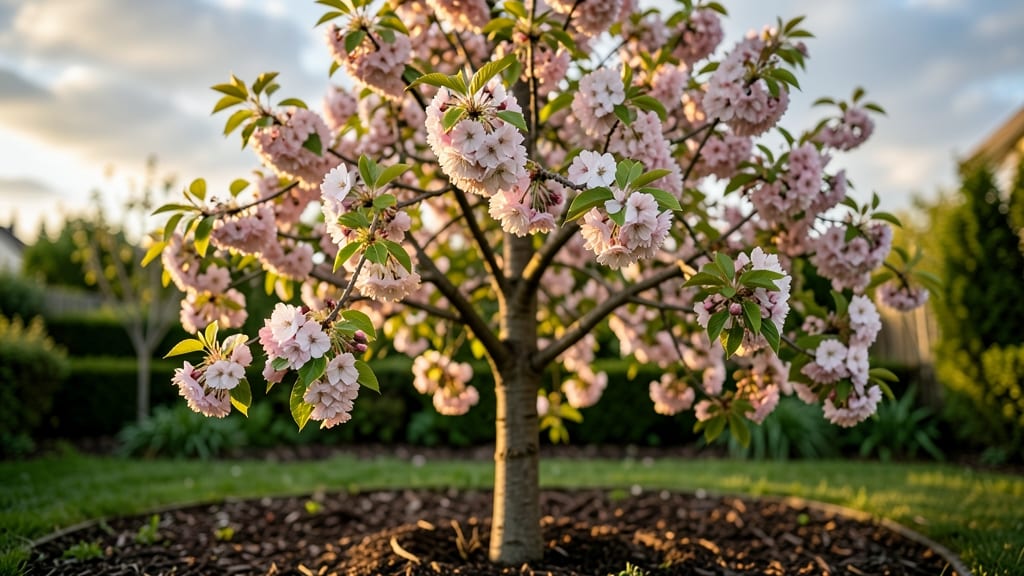
Knowing your cherry tree’s bloom time 🌸 is the key to planning for that stunning spring spectacle — and it all depends on the variety, your climate, and a few simple care tricks.
Watching a cherry tree burst into blossoms is a breathtaking sight—but timing is everything. If you’ve ever wondered when your cherry tree will bloom or how to coax it into peak flowering, you’re in the right place.
Most cherry trees bloom in late spring, but the exact timing shifts with your USDA zone, tree age, and even last winter’s chill hours. In Zone 6a, expect blooms between mid-April and early May, while southern varieties may flower weeks earlier.
Below, I’ll break down how to predict bloom windows, spot early signs of flowering, and use proven techniques to trigger the best displays—so you can enjoy those pink and white clouds year after year.
Cherry tree bloom time: seasonal patterns by variety and climate
Timing is everything when it comes to cherry tree blooms. Whether you're growing sweet cherries, tart cherries, or ornamental varieties, understanding bloom windows helps you predict—and even influence—when those stunning pink and white blossoms will appear.
In most regions, cherry trees bloom in early spring, but the exact timing varies by variety and climate zone.
For example, sweet cherries like Bing or Rainier typically bloom in late April to early May in USDA Zone 6, while tart cherries such as Montmorency often appear 1-2 weeks earlier.
Ornamental varieties like Yoshino cherry can bloom as early as March in warmer zones or stretch into May in colder regions. These differences are influenced by chilling hours and warmth thresholds that trigger dormancy release.
Here’s how latitude and frost dates impact bloom timing. Trees in USDA Zones 5-6 (like Minnesota or upstate New York) may delay blooming until after last frost to avoid late-season freezes.
Meanwhile, in Zones 7-9 (such as California or Georgia), blooms can start as early as February when winter chill requirements are met. Younger trees may also bloom later than mature ones, as they need 3-5 years to establish strong root systems.
Predicting bloom time starts with knowing your local frost dates. Most cherry trees require 200–1,000 chilling hours (below 45°F) to break dormancy.
In Zone 5, where winters are harsh, trees may wait until mid-May to bloom, while Zone 9 trees in Southern California might start as early as February. Use your last frost date as a guideline—planting after this date ensures blooms aren’t damaged by unexpected cold snaps.
Tree age also plays a role. Young 1–3-year-old cherry trees often produce sparse or delayed blooms because they’re still focusing energy on root and trunk growth. Mature trees (over 5 years old) typically bloom 2–3 weeks earlier and more abundantly.
If your tree is past its prime but not flowering, check for over-fertilization or poor pruning practices, which can stress the tree and delay blooms.
Regional microclimates can shift bloom times dramatically. For instance, urban areas with heat islands (like downtown Chicago) may see cherry trees bloom 1–2 weeks earlier than rural counterparts.
Conversely, coastal regions (e.g., Pacific Northwest) with milder winters might experience prolonged blooming periods due to consistent temperatures. Always monitor your tree’s progress and adjust care accordingly.
To maximize bloom potential, ensure your cherry tree gets 6+ hours of sunlight daily and well-draining soil with a pH of 6.0–7.0. Mulch around the base in late fall to protect roots from temperature swings, which can stress the tree and affect next year’s blooms.
Avoid heavy pruning in late winter, as this can remove flower buds before they open.
If you’re planning a cherry tree purchase, choose varieties matched to your USDA zone. For example, Stella cherries thrive in Zones 5–7 and bloom late to avoid frost, while Rainier cherries prefer Zones 6–9 and bloom earlier.
Always check the chilling hour requirements on the tag—this is the #1 factor in predicting bloom time.
Finally, keep an
How to trigger early or prolonged cherry tree blooms: proven techniques
Cherry trees are famous for their stunning spring blooms, but their timing can be unpredictable. If you’re eager to see blossoms earlier or extend their display, you’re not alone.
Many gardeners use proven techniques to influence bloom cycles—without compromising tree health. The key lies in understanding dormancy requirements, pruning strategies, and environmental cues that trigger flowering.
Most cherry trees need 600–1,000 hours of chilling (temperatures between 32–45°F) to break dormancy and bloom. If your tree skips blooms or flowers late, it might be missing these chilling hours or suffering from stress.
The good news? With the right adjustments, you can shift bloom timing by up to 2–4 weeks—whether you want a spring spectacle or a fall surprise.
- 1. Strategic Pruning: Thin dead or crowded branches in late winter to improve air flow. Avoid heavy pruning after July 1st—this can delay next year’s blooms by stimulating new growth too late in the season.
- 2. Controlled Watering: Deep watering in fall and early spring ensures roots absorb moisture before dormancy. Drought stress in winter can reduce chilling effectiveness.
- 3. Temperature Manipulation: Use row covers or shade cloth in late winter to protect buds from sudden warm spells that can trick the tree into blooming too early (risking frost damage).
- 4. Fertilizer Timing: Apply a balanced fertilizer (10-10-10) in early spring (before buds swell) to fuel bloom production. Avoid high-nitrogen fertilizers in fall—they encourage leafy growth at the expense of flowers.
- 5. Mulching for Insulation: Add 3–4 inches of mulch around the base in late fall to regulate soil temperature. This helps maintain consistent chilling during winter fluctuations.
For early blooms, focus on extending chilling hours by planting in cooler microclimates (e.g., near water features or north-facing walls). If you want prolonged blooms, choose late-blooming varieties like ‘Stella Pink’ or ‘Kanzan’—they naturally flower over a 3–4 week period instead of all at once.
One common mistake is over-pruning in summer, which can reduce next year’s flowers. Always prune after blooming (late spring/early summer) to preserve flower buds for the following season. Also, avoid planting in low-lying areas where cold air pools—this can prevent chilling and delay blooms.
If your tree still struggles, test its chilling hours using a home weather station. Most cherry trees need at least 500 hours below 45°F—if your region falls short, consider grafting a cold-hardy variety or using artificial chilling methods (like a refrigerated storage unit for potted trees).
With these techniques, you can fine-tune your cherry tree’s bloom time while keeping it healthy and vibrant. The secret? Patience and precision—cherry trees reward gardeners who respect their natural rhythms. 🌸