
Pruning
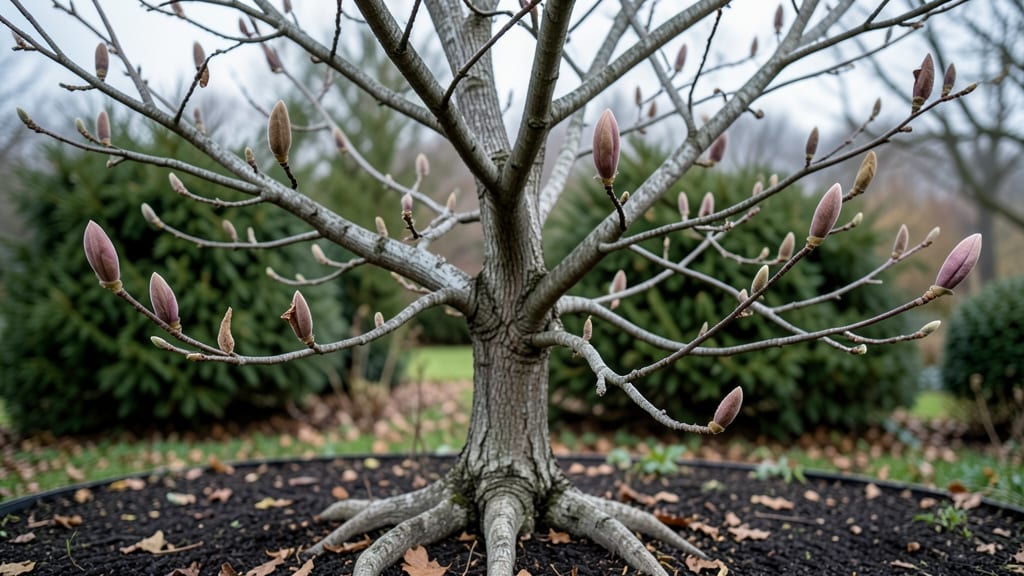
Those plump magnolia buds in winter aren’t just pretty—they’re your tree’s promise for next spring’s showstopping blooms. 🌸 I’ve watched my own magnolia’s buds swell through frosty Januarys, and each one holds the potential for foot-long flowers come April.
But winter care makes all the difference between buds that burst into beauty and ones that shrivel under frost or pruning mistakes.
The buds form in late summer and stay vulnerable all winter long. Pruning too late in the season can remove next year’s flowers, while heavy frost can damage them before they even open.
The key is working with the tree’s natural rhythm—just a light trim to shape, never cutting back into old wood where those buds hide.
By late winter, you’ll see buds plumping up like tiny green marbles. That’s your cue to check for signs of trouble: mushy, brown buds mean frost damage, while firm, green ones are healthy and ready to burst.
With the right care, your tree will reward you with blooms so abundant they’ll make neighbors ask, “What’s your secret?”
This works for both Southern magnolias and later-blooming varieties like saucer magnolias. The same principles apply whether you’re dealing with a towering specimen or a compact patio tree. Let’s protect those buds so your magnolia puts on its best spring performance.
📚 In This Guide
- What you need
- Instructions
- Tips and common mistakes
- Wrapping up and next steps
What you need
- ● Bypass Pruners: Sharp, high-quality pruners (e.g., Felco or Fiskars) for clean cuts on smaller branches (up to ½-inch diameter).
- ● Loppers: Bypass loppers (20–24-inch handles) for medium branches (½-inch to 2-inch diameter).
- ● Pruning Saw: A curved-tooth pruning saw for thicker branches (2+ inches). Look for a bow saw or pruning saw with 7–9 teeth per inch.
- ○ Extension Pole: Optional but helpful—a 6–10 ft telescoping pole with a pruner attachment for high branches.
- ● Gloves: Heavy-duty, cut-resistant gloves (e.g., Mechanix or garden gloves with reinforced palms).
- ● Safety Goggles: Protect your eyes from debris (e.g., ANSI-rated safety glasses).
- ● Disinfectant: 70% isopropyl alcohol or a pruning sealant (e.g., Tanglefoot Tree Wound Pruning Seal) to sterilize tools and prevent disease.
- ● Rags or Paper Towels: For wiping tools between cuts.
- ● Trash Bags: Heavy-duty bags (10–20 gallons) for collecting pruned branches and debris.
- ○ Marking Twine or Flags: Optional—use colored twine or flags to mark branches for removal (helpful for complex pruning).
- ● Step Stool or Ladder: A sturdy, non-slip ladder (e.g., aluminum extension ladder, 12–16 ft) for taller trees. Safety first!
- ● Timing: Prune after the first hard frost but before new growth starts (typically late winter, January–February in most U.S. zones).
- ● Weather: Choose a dry, calm day (avoid rain or high winds). Ideal temperature: 40–60°F.
- ● Tree Health: Inspect the tree for signs of disease (e.g., oozing sap, fungal growth) or pests. Do not prune if the tree is stressed or infected.
- ● Local Regulations: Check if your area requires permits for tree pruning (especially for large or protected species).
Step-by-step guide for pruning magnolia tree buds in winter
Winter’s the perfect time to shape your magnolia’s future blooms—here’s how to do it right.
✂️ Step 1: Identify Healthy Buds and Dormant Growth
Magnolia buds form in clusters along branches, often looking like small, fuzzy knobs. In winter, they’re dormant but visible against bare branches. Look for plump, firm buds—these are your future blooms. Avoid cutting near buds unless they’re diseased or dead, as you’ll remove next year’s flowers.
Use your fingers to gently test bud firmness. Soft or shriveled buds won’t open in spring, so prune those first. Healthy buds feel resilient, like a small pea pod. If you’re unsure, wait until late winter when buds are fully formed but before new growth starts.
✂️ Step 2: Sterilize Tools and Start with Dead or Crossing Branches
Clean your pruners with 70% isopropyl alcohol to prevent spreading disease. Start by removing dead, diseased, or crossing branches—these compete with healthy growth and block light. Cut at a 45-degree angle about ¼ inch above a outward-facing bud (the "branch collar") to encourage proper healing.
Don’t worry about making perfect cuts—magnolias are forgiving. Focus on opening the canopy to improve airflow, which reduces fungal issues. If a branch is thicker than ½ inch, use a saw and make the cut just outside the branch collar to avoid tearing the bark.
☀️ Step 3: Thin Out Overcrowded Areas for Better Bloom Display
Magnolias bloom on old wood, so avoid heavy pruning that removes too many buds. Instead, thin branches to 50% of their density, focusing on the outer third of the tree. This lets sunlight reach inner buds and improves air circulation, which is critical for spring blooms.
Step back often to visualize the tree’s shape. Remove branches that grow inward or upward—these create weak wood and block light. Leave 3-5 strong, outward-facing branches per section to maintain structure. Prune in stages if needed; never remove more than 25% of the canopy in one session.
⏰ Step 4: Clean Up and Apply Wound Dressing (Optional)
Rake up fallen debris and dispose of it away from the tree to prevent pests. For cuts larger than ½ inch, apply a wound dressing (like pruning sealant) to protect against disease. Smaller cuts don’t need sealing—magnolias heal well on their own.
Water the base of the tree deeply after pruning to help it recover. Mulch with 2-3 inches of organic mulch (like shredded bark) to retain moisture and regulate soil temperature. Avoid piling mulch against the trunk—keep it 3-4 inches away to prevent rot.
🌱 Step 5: Monitor for New Growth and Adjust as Needed
In early spring, check for new shoots near pruned areas. These indicate healthy regrowth. If you see weak or leggy growth, prune again in late winter next year to redirect energy. Magnolias respond well to gradual shaping—avoid drastic changes.
Watch for bud swell in late winter (usually 4-6 weeks before last frost). This is your cue that pruning was successful. If buds don’t swell by early spring, your tree may need more sunlight or nutrients. Fertilize lightly with balanced, slow-release fertilizer in early spring to support bloom development.
Tips & tricks for pruning magnolia tree buds in winter
Here's what nobody tells you about winter pruning that'll make all the difference for next spring's blooms.
The Timing Secret: Late winter is your sweet spot—aim for 4-6 weeks before last frost when buds are fully formed but before new growth starts. This window ensures you're pruning dormant wood while preserving next year's flowers. I've learned this the hard way after seeing buds fail to swell when pruned too early!
Tool Prep: Sterilizing your pruners with 70% isopropyl alcohol isn't just about disease prevention—it's about giving your magnolia the clean start it deserves. I keep a small bottle of rubbing alcohol in my tool shed specifically for this purpose. For thicker branches over ½ inch, use a saw and cut just outside the branch collar to avoid damaging the tree's healing tissues.
Visual Pruning Guide: When thinning to 50% density in Step 3, imagine looking through the tree from all angles. You should see light filtering through the outer third. Remove branches that grow inward or upward—these are the culprits that create weak wood and block sunlight from reaching inner buds. Step back frequently to check your progress.
Post-Prune Care: That 2-3 inches of organic mulch makes all the difference in recovery. Spread it in a donut shape around the base, keeping it 3-4 inches away from the trunk to prevent rot. Water deeply after pruning to help the tree recover, but avoid overwatering which can stress the roots during dormancy.
Pro Tips for Magnolia Tree Buds In Winter
- Here's what nobody tells you about winter pruning that'll make all the difference for next spring's blooms.
- The Timing Secret: Late winter is your sweet spot—aim for 4-6 weeks before last frost when buds are fully formed but before new growth starts.
- Tool Prep: Sterilizing your pruners with 70% isopropyl alcohol isn't just about disease prevention—it's about giving your magnolia the clean start it deserves.
Frequently asked questions
Got questions about magnolia tree buds in winter? You’re not alone! Here are answers to the most common concerns—whether you're pruning for the first time or troubleshooting unexpected issues.
Can I prune magnolia tree buds in winter if they’re still dormant?
Yes! Winter (late December to early March) is the best time to prune magnolia trees while they’re fully dormant. This minimizes stress and prevents disease spread. Just avoid pruning during extreme cold snaps (<20°F) or when buds are swelling—wait until temps stabilize above freezing.
What if my magnolia buds aren’t opening in spring?
Don’t panic! Buds may take longer to bloom after winter pruning, especially if the tree is young or stressed. Check for healthy green tissue inside buds—if they’re brown or mushy, the bud may be dead. Thin out 10–20% of the oldest stems to encourage new growth and better airflow.
Should I remove all dead buds or leave some for next year?
Remove only the dead or damaged buds (they’ll look shriveled or blackened). Healthy buds are plump, firm, and greenish-brown. Prune back to a healthy outward-facing bud to encourage strong growth. Never cut into old wood—magnolias bloom on new wood from the previous year’s growth.
Is winter pruning safe for magnolia trees in cold climates?
Magnolias are hardy, but take precautions in harsh winters. Prune on mild days (above 40°F) and avoid heavy pruning if snow or ice is forecasted. In Zone 5 or colder, wait until late winter (February–March) to reduce frost risk. Always sterilize tools with rubbing alcohol to prevent bacterial infections.
What’s an alternative if I miss the winter pruning window?
If you skip winter, prune immediately after blooming (late spring) to avoid cutting off next year’s flower buds. Summer pruning is riskier—stick to light shaping only. For severe overgrowth, split pruning into two sessions: first in late winter (minimal cuts), then again post-bloom (focus on structure).
Still unsure? Snap a photo of your magnolia’s buds and compare them to healthy examples online—early intervention makes all the difference!
Wrapping up and next steps
Winter is the perfect time to nurture your magnolia’s future blooms—pruning dormant buds sets the stage for a stunning spring revival! 🌸 By following the right techniques, you’ll encourage healthier growth and vibrant flowers while protecting your tree from pests and disease.
Remember, patience and precision are key, so take your time and enjoy the process.
Ready to give your magnolia the care it deserves? Grab your tools, step outside, and start pruning today! Your future spring blooms will thank you. 🌿✨