
Pests and Diseases
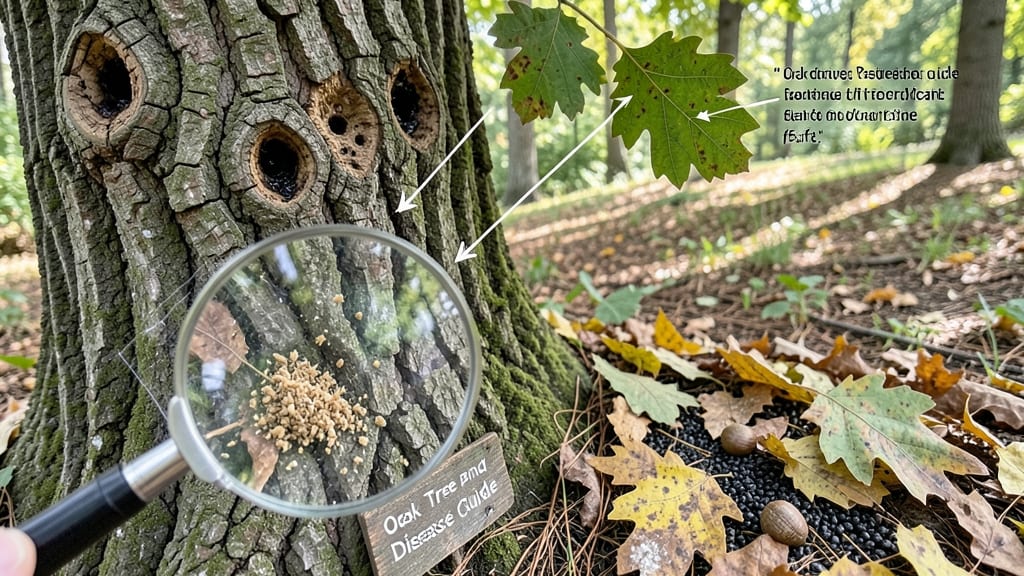
Your trees are fighting a silent battle with tree pests and diseases you can’t see—yet. 🌳 Bark beetles, fungal spores, and sap-sucking insects are already moving in, and by the time you spot the damage, it might be too late.
I’ve watched oak wilt strip a 50-year-old tree bare in six months, and Dutch elm disease turn a neighborhood’s canopy into skeletal remains. But here’s the good news: catching these issues early isn’t just possible—it’s the difference between losing a tree and saving it for decades more shade and beauty.
The first step is learning the language of distress. Yellowing leaves that start at the tips? Often a sign of fungal canker. Tiny holes in bark? Likely bark beetles. Sawdust-like frass at the base? That’s borers tunneling into the heartwood.
Most people ignore these clues until branches start dropping like autumn leaves—but by then, the tree’s already stressed. The key is proactive care: regular inspections, proper pruning to improve airflow, and keeping soil healthy so roots can fight back.
I’ve saved trees that were already half-dead just by acting at the first sign of trouble.
What you’ll walk away with is a three-step defense system: spot the problem early (with my visual checklist), stop it before it spreads (organic sprays, pruning cuts, or targeted pesticides), and save your tree’s health long-term (soil amendments, watering routines, and seasonal maintenance).
Even if you’ve already lost a tree to pests, this method works—because the next one won’t have to be a casualty. Let’s turn your yard back into a thriving forest, not a graveyard of missed warnings.
No matter what kind of trees you’ve got—oaks, maples, fruit trees, or even young saplings—this approach adapts. The goal isn’t just to treat symptoms but to build resilience so your trees can outlast the pests.
And the best part? You’ll catch problems before your neighbors even notice theirs. Ready to become the tree whisperer in your neighborhood?
Root Causes Behind Tree Troubles
When trees fall victim to pests and diseases, it’s rarely a random event—there’s almost always a mix of environmental, biological, and human factors at play. Understanding these root causes helps you take proactive steps to protect your trees before problems escalate. Here’s why these issues happen in the first place.
Trees are resilient, but extreme or shifting weather conditions can weaken their defenses, making them prime targets for pests and pathogens.
- Drought and Heat: Prolonged dry spells reduce a tree’s ability to produce sap, a natural pest repellent. Without moisture, bark becomes brittle, and roots struggle to transport nutrients—inviting borers, bark beetles, and fungal infections like Armillaria root rot. Pro tip: 💡 Mulch properly and water deeply during droughts to maintain soil moisture.
- Excess Rain or Flooding: Waterlogged soil cuts off oxygen to roots, causing stress and attracting fungal diseases (e.g., Phytophthora) and sap-sucking insects like spider mites. Poor drainage also encourages Canker diseases by keeping wounds damp.
- Temperature Swings: Sudden freezes or heatwaves shock trees, opening wounds that pathogens exploit. For example, Fire blight (a bacterial disease) thrives in spring when warm days follow freezing nights, creating ideal conditions for bacterial spread.
Pests and diseases don’t strike out of nowhere—they’re often introduced by natural cycles, human activity, or other stressed trees in the area.
- Invasive Species: Non-native pests like the Emerald Ash Borer or Asian Longhorned Beetle have no natural predators in their new environments. They exploit weak trees, spreading rapidly. Actionable tip: 🎯 Inspect imported plants/nursery stock for signs of infestation.
- Fungal Spores and Bacteria: Many diseases (e.g., Dutch Elm Disease, Powdery Mildew) spread via wind, water, or infected tools. Fungi like Honey Fungus thrive in decaying wood, while bacteria hitch rides on insects or contaminated pruning equipment.
- Secondary Invaders: A tree weakened by drought or poor soil may attract secondary pests, like carpenter ants or beetles, that finish off already stressed wood. Think of it like an open wound attracting flies.
Even the hardiest trees can succumb to pests and diseases if they’re not given the right conditions to thrive.
- Nutrient Deficiencies: Lack of essential nutrients (e.g., nitrogen, potassium) weakens a tree’s immune system. Yellowing leaves (chlorosis) signal nitrogen deficiency, making trees vulnerable to leaf spot diseases or aphid infestations.
- Improper Pruning: Over-pruning or wounding bark (e.g., from tools or storms) creates entry points for fungi and borers. Pro tip: 🔪 Always use clean, sharp tools and make cuts at the branch collar to promote faster healing.
- Compacted or Contaminated Soil: Soil compaction restricts root growth, while chemical runoff (e.g., herbicides, salt) burns roots and invites pests. Root-knot nematodes thrive in compacted, waterlogged soil, stunting growth and opening doors for other pathogens.
Sometimes, the biggest threat to trees comes from unintentional human actions.
- Urbanization and Construction: Soil disturbance during construction exposes roots, and buried debris (like wood chips) can harbor fungal spores. Armillaria (a deadly root fungus) often spreads from buried stumps.
- Pesticide Overuse: Broad-spectrum pesticides kill beneficial insects (e.g., ladybugs, predatory mites) that control pests, leading to pesticide-resistant outbreaks. For example, overusing fungicides can trigger resistant strains of powdery mildew.
- Monoculture Plantings: Planting the same tree species in clusters (e.g., all oaks or pines) creates a buffet for pests. Gypsy moths and pine beetles devastate monocultures because there’s no genetic diversity to resist them.
By recognizing these underlying causes, you can address the why behind tree troubles—and stop them before they start. The next step? Learning how to spot the early warning signs.
Quick Fixes for Common Tree Woes
When your trees start showing signs of distress, acting fast can make all the difference. Below, we’ve mapped out practical, step-by-step solutions for the most common tree pests and diseases—plus prevention tips to keep your greenery thriving. Think of this as your tree first-aid kit, tailored to each problem.
1.
Aphids, Scale, or Mealybugs 🐜 Signs: Sticky residue (honeydew), curled leaves, or tiny crawling insects. Fix: 🔥 Blast them off – Use a strong stream of water to dislodge aphids and mealybugs. 🍳 Soapy solution – Mix 1 tsp mild dish soap + 1 quart water in a spray bottle.
Drench infested areas (test on a small leaf first!). 👨🍳 Introduce predators – Ladybugs, lacewings, and parasitic wasps love munching on these pests. Buy them online or attract them with native plants. ⏰ Repeat weekly until gone, then monitor.
💡 Pro Tip: Prune heavily infested branches in early morning (when pests are sluggish) and dispose of them in sealed bags.
2. Bark Beetles 🪲 (Causing Boring & Dieback) Signs: Sawdust-like frass at the base, wilting branches, or tiny holes in bark. Fix: 🔪 Remove infected trees – If the tree is already dead or 50%+ infested, cut it down and chop the wood (don’t burn—beetles can survive).
Bag and dispose of debris. 🌡️ Protect healthy trees – Wrap trunks with tree wrap or burlap to deter beetles. Apply borax-based sprays (follow label instructions). 🎯 Encourage natural defenses – Healthy trees resist beetles better. Water deeply during droughts and fertilize with slow-release, organic options.
✨ Prevention Hack: If you’ve had beetles before, trap trees (small, untreated trees) can lure them away from prized specimens.
3.
Spider Mites 🕷️ (Webbing & Yellowing Leaves) Signs: Fine webbing on undersides of leaves, stippled or bronze-colored foliage. Fix: 💦 Water stress = mite party – Spider mites thrive in dry conditions. Deep-water trees 1–2x/week during heatwaves. 🧼 Neem oil spray – Mix 1 tbsp neem oil + 1 tsp mild soap + 1 quart water.
Spray both sides of leaves every 5–7 days. 🔄 Hose them down – A gentle shower (not pressure) can knock off mites. Do this in the early morning for best results.
💡 Pro Tip: Use a magnifying glass to check for mites before treating—sometimes they’re hidden!
1. Powdery Mildew 🍄 (White Fuzzy Coating) Signs: White powder on leaves, stunted growth, or leaf drop. Fix: 🌧️ Improve airflow – Prune dense branches to let sunlight and air circulate. 🍄 Baking soda spray – Mix 1 tbsp baking soda + 1 tsp soap + 1 gallon water.
Spray weekly until mildew disappears. 🌱 Fungicide (if severe) – Use copper-based or sulfur sprays (follow package directions).
✨ Prevention: Space trees properly (3–5 ft apart) and avoid overhead watering.
2. Anthracnose 🍂 (Dark Spots & Leaf Drop) Signs: Dark, sunken spots on leaves, wilting, or premature leaf fall. Fix: 🗑️ Clean up debris – Remove all fallen leaves (they spread spores).
Burn or bag them. 💧 Water at the base – Avoid wetting leaves (use drip irrigation or soaker hoses). 🌡️ Fungicide treatment – Apply a chlorothalonil or propiconazole spray before bud break in spring.
💡 Pro Tip: Plant resistant varieties (e.g., ‘Emerald’ ash borer-resistant trees) if anthracnose is recurrent.
3. Root Rot 🌊 (Mushrooms at Base, Wilting) Signs: Mushrooms at the trunk, soft/brown roots, or tree leaning. Fix: ⏳ Stop watering immediately – Overwatering is the #1 cause.
Let soil dry out between waterings. 🪓 Check drainage – If soil stays soggy, amend with compost or plant in raised beds. 🌳 Fungicide soil drench – Use mycorrhizal fungi or phosphite-based treatments (like BioSafe).
⚠️ Warning: If the tree is already dead, remove it—root rot spreads fast!
Want to avoid pests and diseases in the first place?
Follow these easy habits: - Inspect trees monthly – Catch problems early! 🔍 - Mulch properly – 2–4 inches of wood chips (keep mulch 6 inches away from the trunk). - Prune in late winter/early spring – Remove dead wood and thin canopies for airflow. - Avoid stress – Water deeply during droughts and fertilize only when needed. - Quarantine new plants – Keep them separate for 2 weeks before planting in your yard.
Remember: Some pests/diseases are beyond DIY fixes (e.g., emerald ash borer, Dutch elm disease). If your tree is critically infected, consult a certified arborist—they can save it with professional treatments like injections or systemic sprays.
Now grab your hose, spray bottle, and get to work—your trees will thank you! 🌳💚
Frequently asked questions
How can I tell if my tree has a pest problem versus a disease?
Look for physical signs: Pests often leave visible damage like holes, sawdust-like frass, or webbing, while diseases typically show as discoloration, spots, or unusual growths. For example, bark beetles create tiny holes and sawdust piles, while powdery mildew appears as white fuzzy patches. Check both leaves and bark—pests usually attack specific areas, while diseases spread more uniformly.
When is the best time of year to treat tree pests and diseases?
Early spring (before buds open) and fall (after leaves drop) are ideal for most treatments. This timing helps you catch early infestations and prevents overwintering pests. For fungal diseases like anthracnose, apply preventative sprays before bud break. Chemical controls work best when pests are most active but before they cause irreversible damage.
Are organic treatments as effective as chemical ones for tree problems?
Organic methods like neem oil, soapy water, and beneficial insects work well for early-stage issues but may require more frequent applications. Chemical treatments (e.g., systemic fungicides) often provide faster, longer-lasting results for severe infestations. The key is consistency—organic solutions need regular maintenance, while chemicals offer immediate but temporary relief. Always test small areas first!
Why do some trees in my neighborhood get pests while others stay healthy?
Healthy trees resist pests better due to strong genetics, proper nutrition, and good soil conditions. Trees under stress (from drought, poor soil, or over-pruning) become easy targets. Also, pest spread depends on proximity—if one tree gets infested, nearby trees are at higher risk. Diversity in tree species reduces vulnerability, while monocultures (like all oaks) create pest buffets.
Can I save a tree that's already heavily infested with borers or diseased?
It depends on the severity! For borers, if the tree is still alive (green leaves, new growth), you might save it with professional treatments like injections or drilling to kill larvae. For diseases like Dutch elm disease, removal is often the only option. Act fast—consult a certified arborist for a diagnosis before deciding. Even "dead" trees can sometimes recover with aggressive care!