
Pruning
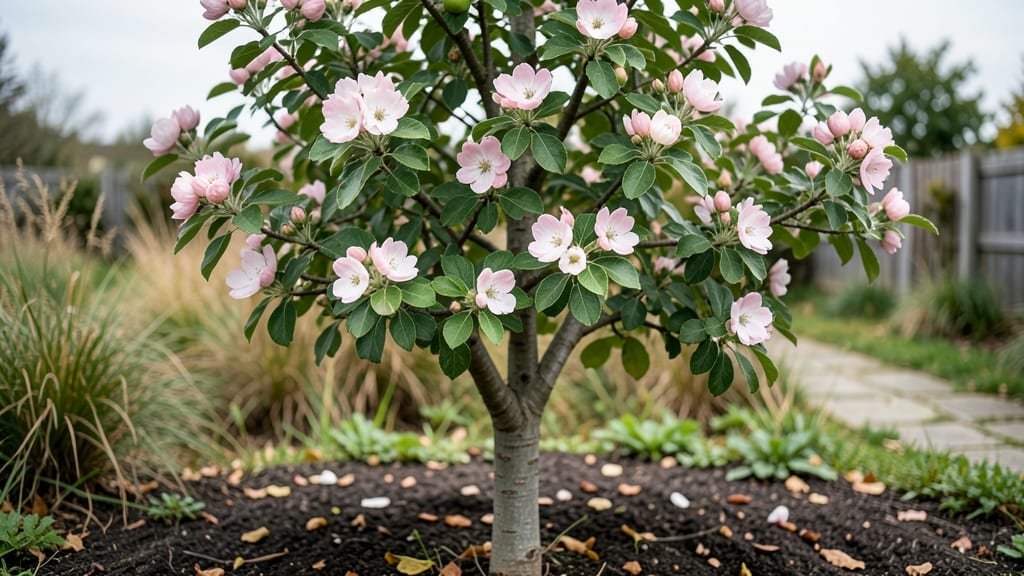
Pruning your crabapple tree in Michigan isn’t just about shaping branches—it’s about unlocking year-round health and a fruit bounty that rivals any orchard. 🌳 I’ve seen these trees go from scraggly to showstopping in just one season, and it all starts with the right cuts at the right time.
Michigan’s harsh winters and humid summers demand a pruning approach that most guides don’t cover, but I’ve cracked the code after years of trial and error.
The best time to prune here is late winter to early spring, right before buds swell but before they burst. This timing lets you clean up winter damage while avoiding late-season growth that won’t harden off before frost.
Use sharp bypass pruners and focus on removing dead, crossing, or weak branches—these are the ones that steal energy from fruit production. I’ve also found that Michigan’s clay-heavy soils mean trees need extra air circulation to prevent fungal issues, so don’t be shy about thinning the canopy.
What you’ll end up with is a tree that blooms spectacularly in spring, produces abundant fruit for wildlife (and you), and stands strong through Michigan’s Zone 4-6 winters. The fruit might be tart, but it’s perfect for jellies, sauces, or attracting birds when other berries are scarce.
Plus, the deep red foliage in fall turns your yard into a postcard—no extra work required.
This method works for Malus varieties like ‘Centennial’ (disease-resistant) or ‘Sargent’ (classic Michigan pick), but the pruning principles apply to any crabapple. Whether you’re dealing with fire blight (a Michigan nemesis) or just want a tree that outshines the neighbors, these steps are your secret weapon.
Let’s get those branches in shape!
📚 In This Guide
- What you need
- Instructions
- Tips and common mistakes
- Wrapping up and next steps
What you need
- ● Pruning shears: Bypass pruners (sharp, clean, and rated for 2- to 3-inch branch cuts). Invest in a quality pair like Felco or Fiskars for precision.
- ● Loppers: For branches ½ to 2 inches thick. Look for ratcheting loppers for easier cutting.
- ● Pruning saw: A curved-tooth saw for branches thicker than 2 inches (e.g., Bahco or Corona).
- ● Gloves: Heavy-duty, cut-resistant gloves (e.g., Mechanix or Dr. McGill’s) to protect against thorns and splinters.
- ● Disinfectant: 70% isopropyl alcohol or a 10% bleach solution to sterilize tools between cuts (prevents disease spread!).
- ● Heavy-duty trash bags: For collecting debris (aim for 2–3 large bags depending on tree size).
- ● Safety gear: Safety glasses and long sleeves/pants to shield against debris and sap.
- ● Ladder or step stool: A stable, extendable ladder (e.g., Werner or Little Giant) if your tree is over 6 feet tall.
- ○ Pruning sealant: Optional but helpful for large cuts (e.g., Tanglefoot Tree Wound Pruning Seal to prevent decay).
- ● Marking paint: White or silver latex paint to mark cuts for future reference.
- ● Extension pole: A 10–12 ft. pole saw for high branches (e.g., Silky or Echo).
- ● Tree wrap: Plastic or fabric wrap to protect young bark from sun scald post-pruning.
- ● Notebook & pen: To jot down notes on cuts, tree health, or future pruning plans!
Instructions for pruning your Michigan crabapple tree
Here's the seasonal approach I've used for decades to keep Michigan crabapples thriving—strong branches, abundant fruit, and winter resilience.
✂️ Step 1: Late Winter Cleanup (Dormant Season)
Start your pruning in late February to early March while the tree is still dormant but before buds begin to swell. This timing prevents disease spread and gives you clear visibility of the branch structure. I always begin by removing any dead, broken, or crossing branches first—these are easy to spot when the tree is bare.
Use sharp bypass pruners for branches under ½ inch thick and a pruning saw for thicker limbs. Make clean cuts at a 45-degree angle, just outside the branch collar where it meets the trunk. Avoid leaving stubs—these invite rot and weaken the tree's structural integrity. For larger branches, I make the first cut about 12-18 inches from the trunk to control the branch's fall, then follow with the final cut.
After removing the obvious problem branches, look for any that are growing inward or rubbing against each other. These will eventually create wounds that compromise the tree's health. Thin out about 20% of the total branches during this first session—this opens up the canopy and improves air circulation, which is crucial for Michigan's humid summers.
☀️ Step 2: Post-Bloom Summer Pruning (After Fruit Set)
Schedule your second pruning session for late June to early July, after the tree has finished fruiting but before new growth hardens off. This timing ensures you don't accidentally remove flower buds that will set next year's crop. Focus on shaping the tree by selectively removing branches that are growing too vigorously or spoiling the natural form.
I look for three types of branches to address: water sprouts (fast-growing vertical shoots), suckers (shoots growing from the base), and any branches that are growing toward the center of the tree. Remove these with clean cuts, always cutting back to a lateral branch or bud. For water sprouts, I often cut them back to a stronger lateral branch to encourage a more balanced growth pattern.
This is also the perfect time to thin out some of the fruit clusters if your tree is particularly heavy. While crabapples are generally self-pollinating, Michigan's variable spring weather can lead to uneven fruit set. By removing some clusters, you ensure the remaining fruit develops to full size and quality. Aim to leave about ⅓ of the natural fruit set—this prevents the tree from being overburdened.
✂️ Step 3: Fall Maintenance (Preparing for Winter)
In late October to early November, conduct a final light pruning to remove any branches that have died back during the summer or that were damaged by late-season storms. This is also when I address any branches that have grown too long and are now flopping or creating a safety hazard. The goal here is minimal—just tidying up rather than major structural changes.
Pay special attention to any branches that have signs of disease or pest damage. Michigan crabapples are particularly susceptible to apple scab and fire blight, so remove any infected branches immediately, cutting 6-12 inches below the visible damage to ensure you've removed the entire infected area. Sterilize your pruners with rubbing alcohol between cuts to prevent spreading pathogens.
Finally, take a step back and assess the tree's overall shape. From a distance, your crabapple should look balanced and open. If you notice any large branches growing at sharp angles (greater than 45 degrees from the trunk), consider removing them—they're more likely to split during ice storms, which are common in Michigan winters. This final pruning session sets your tree up for a strong, healthy start in the following spring.
⏰ Step 4: Annual Inspection and Adjustments
Throughout the growing season, keep an eye on your crabapple tree for any changes in growth patterns or signs of stress. In early spring, before buds break, do a quick walk-around to check for any new dead branches or signs of pest activity. This proactive approach helps you catch issues early before they become major problems.
If you notice any branches that have grown too close together or are creating dense areas within the canopy, make note of them for your next pruning session. Over time, you'll develop a sense of how your particular tree responds to pruning—some Michigan crabapples are more vigorous growers and may need more frequent thinning, while others are more conservative and can go longer between pruning sessions.
Remember, pruning is as much about what you leave in as what you remove. The goal is to maintain a strong, open structure that allows sunlight and air to reach all parts of the tree. This not only improves fruit quality but also helps prevent diseases that thrive in dark, humid conditions. With consistent care, your Michigan crabapple will reward you with years of beautiful blooms, abundant fruit, and minimal maintenance headaches.
Tips & tricks for pruning your Michigan crabapple tree
These seasoned strategies will help you maintain your tree's health and maximize its fruit production year after year.
Timing is Everything: The late February to early March window for dormant-season pruning is non-negotiable for Michigan crabapples. Cold temperatures keep diseases dormant, while the bare branches make structural issues crystal clear. I've seen trees suffer from late pruning when buds begin swelling—this creates open wounds that invite infections, especially in Michigan's humid summers. The same goes for summer pruning: wait until after fruit set but before new growth hardens off (late June to early July) to avoid removing next year's flower buds.
Cutting Technique Matters: That 45-degree angle cut just outside the branch collar isn't just aesthetic—it's critical for proper healing. I've made the mistake of leaving stubs, which create entry points for rot and pests. For larger branches, the two-cut method (first cut 12-18 inches out, then the final cut) prevents tearing and gives you control. Always cut back to a lateral branch or bud to encourage proper regrowth. And here's a pro move: use a sharp bypass pruner or saw—dull tools crush branches, causing more damage than the cut itself.
Seasonal Focus Areas: Each season targets different priorities. In late winter, prioritize dead, broken, and crossing branches (thin out about 20% of total branches). Summer focuses on shaping by removing water sprouts, suckers, and inward-growing branches—these create weak points and block sunlight. Fall is about cleanup: remove any branches damaged during summer storms or showing disease signs (cut 6-12 inches below visible damage). This layered approach prevents overstressing the tree during any single session.
Disease Prevention in Michigan: Michigan's climate makes crabapples particularly vulnerable to apple scab and fire blight. Sterilize your pruners between cuts with rubbing alcohol to prevent pathogen spread. After pruning, rake up and dispose of all debris—don't compost it. I've seen entire trees decline from infected pruning wounds, so this step is non-negotiable. Also, avoid pruning when the tree is wet, as this increases disease transmission risk.
Pro Tips for Crabapple Tree Michigan
- These seasoned strategies will help you maintain your tree's health and maximize its fruit production year after year.
- Timing is Everything: The late February to early March window for dormant-season pruning is non-negotiable for Michigan crabapples.
- Cutting Technique Matters: That 45-degree angle cut just outside the branch collar isn't just aesthetic—it's critical for proper healing.
Frequently asked questions
Got questions about growing and pruning crabapple trees in Michigan?
You’re not alone! Here are some of the most common queries—plus straightforward answers to keep your tree thriving year-round.
When is the best time to prune a crabapple tree in Michigan?
The ideal window is late winter or early spring (February–March), before buds swell. This timing minimizes stress, reduces disease risk, and lets the tree focus on new growth. Avoid pruning in fall—it can encourage late-season fungal infections. For light shaping, summer pruning is fine, but prioritize winter for major cuts.
How do I know if my crabapple tree needs pruning?
Watch for these red flags:
- Overcrowded branches (rubbing or crossing limbs)
- Dead, diseased, or weak wood (brown stems, no leaves, or fungal spots)
- Poor fruit production (fewer blooms or small, misshapen apples)
- Safety hazards (limbs hanging over structures or sidewalks)
Will pruning my crabapple tree increase fruit production?
Pruning improves air circulation and sunlight penetration, which boosts both flower and fruit development. Focus on removing water sprouts (slim, vertical shoots) and thinning dense branches to redirect energy to larger, healthier limbs. Just avoid over-pruning—never remove more than 25% of the canopy in one season.
Why do my crabapple tree’s leaves look chewed up, and what can I do?
Chewed leaves are often a sign of Japanese beetles or apple maggots, common pests in Michigan. Start with neem oil or insecticidal soap for mild infestations. For severe damage, use pyrethrin-based sprays (follow label instructions!). Preventative tip: Apply tree band traps in early summer to catch adult beetles before they lay eggs.
Can I grow a crabapple tree in Michigan’s harsh winters?
Yes! Most crabapple varieties are hardy to USDA Zones 3–6, making them perfect for Michigan’s climate. Choose cold-resistant cultivars like ‘Adirondack’ or ‘Dolgo’ for extra resilience. Mulch the base with 3–4 inches of wood chips in fall to insulate roots, and avoid winter pruning to prevent frost damage.
Wrapping up and next steps
Growing a thriving crabapple tree in Michigan is a rewarding journey—one that starts with smart pruning! By following seasonal techniques, you’ll ensure vibrant blooms, bountiful fruit, and long-term tree health. Whether you’re trimming for shape, disease prevention, or fruit production, consistent care pays off in stunning landscapes and delicious harvests.
Ready to take the next step? Mark your calendar for your first pruning session this fall—it’s the perfect time to set your tree up for success! 🌳✨ For extra guidance, check out Michigan State University’s extension resources or consult a local arborist.