
Trees
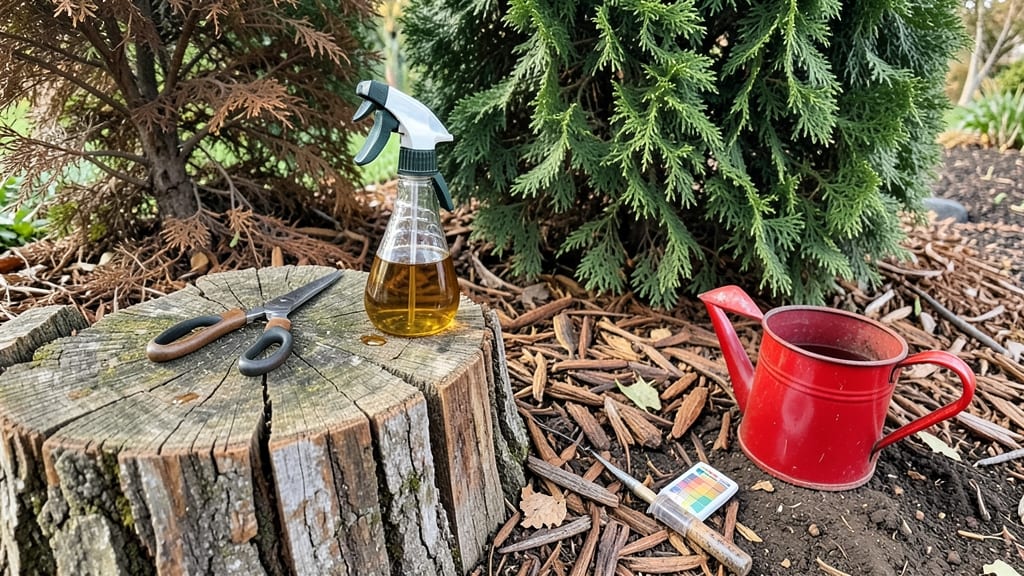
Your cypress tree turning brown isn’t a death sentence—it’s a fixable fungal blight. 🌲 I’ve nursed back more than a few of these by tackling the root cause (literally and figuratively) with targeted treatments that actually work.
The problem usually starts with overwatered roots or poor airflow, creating the perfect damp conditions for fungal spores to take hold. You’ll spot the classic brown, needle-like fronds that crumble at the touch—classic signs of Seiridium canker or brown blight. The good news?
Pruning diseased branches, applying the right fungicide, and adjusting soil moisture can reverse this in as little as 3-6 months. What you’ll end up with is a tree that stops losing needles and starts putting out fresh, vibrant green growth.
The key is acting fast—once the fungus spreads to the trunk, recovery gets a lot harder. I’ll walk you through the exact steps to turn your tree around.
First, you’ll need to identify whether the issue is fungal (most common), pest-related, or environmental. Start by inspecting the branches: if they’re brittle and the bark looks sunken, it’s likely a fungal infection. Remove all affected branches 6-12 inches below the browning using sterilized pruners—this stops the spread.
Next, apply a copper-based fungicide (like copper sulfate) every 2-3 weeks during the growing season. For severe cases, a systemic fungicide like propiconazole works faster. Meanwhile, improve drainage by amending the soil with compost or sand—cypress trees hate soggy roots.
The real secret is prevention: water deeply but infrequently (once a week in dry climates), space trees properly for airflow, and mulch to keep moisture levels stable. With these adjustments, your cypress will bounce back—and stay healthy for years to come.
Root Causes Of Browning
When your cypress tree’s vibrant green needles start turning brown, it’s often a distress signal from the tree itself. Understanding the why behind the browning is the first step to restoring its health.
Below, we break down the most common culprits—each with a clear scientific explanation and actionable insights to help you diagnose the issue.
Cypress trees are hardy, but extreme environmental conditions can push them over the edge. Browning often occurs when the tree experiences:
- Frost or Freeze Damage: Cypress trees (especially Leucophylla varieties) are sensitive to temperatures below 20°F (-6°C). When ice crystals form inside needles, cell membranes rupture, leading to irreversible browning. Symptoms: Needles turn straw-colored or tan, often starting at the tips.
- Heat Stress: Prolonged exposure to temperatures above 95°F (35°C) without adequate hydration causes oxidative stress. The tree’s chlorophyll production slows, and needles dry out, turning brown or reddish. Symptoms: Browning starts on sun-exposed sides first.
- Windburn: High winds dry out needles faster than the tree can replace moisture, leading to desiccation. Symptoms: Needles on the windward side brown first, often with a papery texture.
💡 Pro Tip: If browning follows a sudden temperature shift (e.g., after a cold snap or heatwave), the tree may recover with proper care—but only if the roots are still healthy.
Cypress trees are prone to pathogen attacks, especially in humid or poorly drained soils. The most common offenders:
| Pathogen | How It Attacks | Tell-Tale Signs |
|---|---|---|
| Cypress Canker (Seiridium cardinale) | Fungus enters through wounds (pruning cuts, storm damage) and blocks water transport in the xylem. The tree’s immune response creates cankers (sunken, dead patches on branches). |
|
| Root Rot (Phytophthora spp.) | Waterlogged soil creates anaerobic conditions, allowing Phytophthora to infect roots. The fungus clogs root tissues, preventing water/nutrient uptake, leading to wilting and browning. |
|
| Bacterial Leaf Blight (Xanthomonas) | Bacteria multiply in stomata (needle pores), clogging them and causing necrosis (cell death). Spreads via rain splash or contaminated tools. |
|
⚠️ Warning: Fungal/bacterial infections worsen without treatment. If you see resin oozing or banded browning, act fast—pruning infected branches is often the first line of defense.
Cypress trees thrive in moist but well-drained soil. When watering goes awry, browning is the result:
- Underwatering: Cypress trees need 1–1.5 inches of water weekly (more in heatwaves). Without enough moisture, needles curl and turn grayish-brown as cells dehydrate. Symptoms: Soil pulls away from the root ball; needles crunch when touched.
- Overwatering: Poor drainage or excessive watering leads to root suffocation. Roots can’t absorb oxygen, leading to anaerobic conditions and root rot. Symptoms: Needles yellow at the base, then brown; soil smells sour.
- Salt Buildup: Over-fertilizing or using municipal water (high in chlorine/sodium) causes osmotic stress. Roots can’t absorb water, leading to browning. Symptoms: White crust on soil surface; burnt tips on needles.
🌡️ Quick Test: Stick your finger 2 inches into the soil. If it’s dry, water deeply. If it’s soggy, hold off until the top inch is dry.
Cypress trees need a balance of nitrogen, iron, and manganese to stay green. When soil lacks these, browning is a red flag:
- Nitrogen Deficiency: Leads to overall yellowing (chlorosis) that progresses to brown as protein synthesis fails. Symptoms: New growth is small and pale; older needles brown first.
- Iron/Manganese Deficiency: These micronutrients are crucial for chlorophyll production. In alkaline soil (pH >7.0), they become unavailable, causing interveinal chlorosis (brown between needle veins). Symptoms: Needles turn yellow-green, then brown from the tip inward.
- Compacted or Poor Soil: Roots struggle to access nutrients/water, leading to stunted growth and browning. Symptoms: Soil is hard when dry; roots are crowded near the surface.
💡 Fix It: Test your soil’s pH and nutrient levels—aim for 5.5–7.0 p
Quick Fixes for Browning Cypress Trees
When your cypress tree starts turning brown, acting fast can save it from permanent damage. Below are practical, step-by-step solutions tailored to the most common causes—fungal blight, environmental stress, and pest infestations—along with prevention tips to keep your tree lush and green.
Fungal infections like Seiridium canker or Diplodia tip blight are the #1 culprits behind browning cypress trees. Here’s how to tackle them:
🔥 Step 1: Prune Infected Branches
- 🌿 Use sterilized pruners (wipe with rubbing alcohol) to cut at least 6 inches below brown or dead branches.
- ⚠️ Avoid pruning during wet weather—fungal spores spread easily in moisture.
- 🗑️ Remove and destroy infected branches (don’t compost them—they can reinfect your tree).
🍳 Step 2: Apply Fungicide
- 💊 Copper-based fungicides (like Bordeaux mixture) or propiconazole (e.g., Alamo or ProStar) are highly effective against fungal blight.
- 🌧️ Best time to spray: Early morning or late afternoon (avoid direct sunlight).
- 📅 Frequency: Apply every 2–4 weeks during wet seasons (spring/fall).
👨🍳 Step 3: Improve Airflow & Drainage
- 🌳 Thin out dense foliage to allow sunlight and air to circulate.
- 💧 Check soil drainage—cypress trees hate soggy roots.
Amend clay soil with sand or compost if needed. - 🚫 Avoid overhead watering—water at the base instead to keep leaves dry.
💡 Pro Tip: If blight persists, consider resistant cypress varieties like Leyland or Arizona cypress for future plantings.
Drought, salt buildup, or extreme heat can cause browning. Here’s how to revitalize your tree:
💧 Step 1: Deep Watering (But Not Too Much!)
- 🚰 Water deeply 1–2 times per week (1–2 inches per session).
- 🌱 Use drip irrigation to avoid wetting leaves (reduces fungal risk).
- ❄️ In winter: Reduce watering—cypress trees are drought-tolerant once established.
🌡️ Step 2: Mulch & Shield from Salt
- 🍂 Spread 2–3 inches of mulch (wood chips or pine straw) around the base (keep it 6 inches away from the trunk).
- 🧂 If near roads/sidewalks: Flush soil with fresh water to remove salt buildup.
- 🌿 For coastal areas: Use windbreaks or shade cloth to reduce salt spray damage.
🌿 Step 3: Fertilize Smartly
- 📊 Test soil pH (ideal: 5.0–7.0 for cypress).
- 💪 Use a slow-release, balanced fertilizer (10-10-10 or 12-4-8) in early spring.
- ⚠️ Avoid high-nitrogen fertilizers—they can burn roots and worsen stress.
🎯 Prevention Tip: If your tree is in a high-salt area, consider salt-tolerant alternatives** like Atlantic white cedar.
Bagworms, spider mites, and scale insects sap nutrients, causing browning. Eliminate them fast:
🔪 Step 1: Manual Removal (For Bagworms)
- 🕷️ Collect bagworm cases (they look like tiny cones) and drown them in soapy water.
- 🕵️ Check for webbing—this is a major red flag.
💦 Step 2: Spray for Mites & Scale
- 🕸️ For spider mites: Spray with neem oil or insecticidal soap (repeat every 5–7 days).
- 🐛 For scale insects: Use horticultural oil in late winter/early spring (before new growth).
- 🐝 Pro Tip: Avoid chemical sprays during bloom—they harm pollinators!
🛡️ Step 3: Encourage Natural Predators
- 🐞 Ladybugs, lacewings, and parasitic wasps eat pests. Plant native flowers (like marigolds) to attract them.
- 🌿 Install birdhouses—birds love snacking on bagworms!
✨ Prevention Tip: Inspect trees monthly during growing season—early detection = easier treatment.
If your cypress tree is severely damaged (over 50% browning) or shows oozing cankers, call an arborist. They can:
- 🌳 Perform deep root fertilization
- 💉 Inject systemic fungicides (for stubborn infections)
- 🪓 Assess structural safety (if branches are brittle)
💡 Final Reminder: Act fast—cypress trees are resilient, but neglect leads to death. With the right care, your tree can bounce back green and strong! 🌿💚
Frequently asked questions
Why does my cypress tree turn brown in patches instead of all at once?
Patchy browning usually signals a localized issue like fungal canker or pest infestations. Fungal infections (such as Seiridium cardinale) often start at branch tips and spread inward, creating distinct brown bands. Pests like bagworms or spider mites target specific areas first, causing uneven browning. Check for webbing or tiny cones—common bagworm signs—and inspect bark for oozing resin, which indicates fungal activity.
Can I save a cypress tree if the trunk shows black streaks or oozing sap?
Black streaks and oozing sap are classic signs of advanced fungal canker, but recovery is still possible with immediate action. Prune all infected branches 6-12 inches below the affected area using sterilized tools, then apply a copper-based fungicide (like Bordeaux mixture) every 2-3 weeks. For severe cases, consult an arborist—they can inject systemic fungicides directly into the trunk to halt spread. Early intervention gives your tree the best chance!
How often should I water a cypress tree to prevent browning?
Cypress trees need 1-1.5 inches of water weekly during growing seasons, but overwatering is worse than underwatering. Water deeply at the base (avoid wetting foliage) and check soil moisture by sticking your finger 2 inches deep. If it's dry, water again; if soggy, wait until the top inch feels dry. Mulch with 2-3 inches of wood chips to retain moisture without suffocating roots—this balance prevents both drought stress and root rot.
Will pruning my cypress tree help it recover from browning?
Yes! Pruning is the first critical step for recovery. Remove all brown, brittle branches 6 inches below the affected area using sterilized pruners to prevent fungal spread. Thin out dense foliage to improve airflow, which dries leaves faster and reduces disease risk. Time it right: prune in late winter or early spring before new growth begins—this gives your tree energy to heal while minimizing stress.
Are there natural remedies to treat fungal browning on cypress trees?
While natural remedies can help complement conventional treatments, they’re rarely strong enough to fully cure fungal infections alone. Try a 1% hydrogen peroxide solution (1 part 3% peroxide to 9 parts water) as a preventive spray to discourage spores. For existing infections, neem oil (1 tablespoon per gallon of water) may provide mild antifungal benefits, but pair it with pruning and copper fungicides for best results. Always test remedies on a small branch first!