
Light Requirements
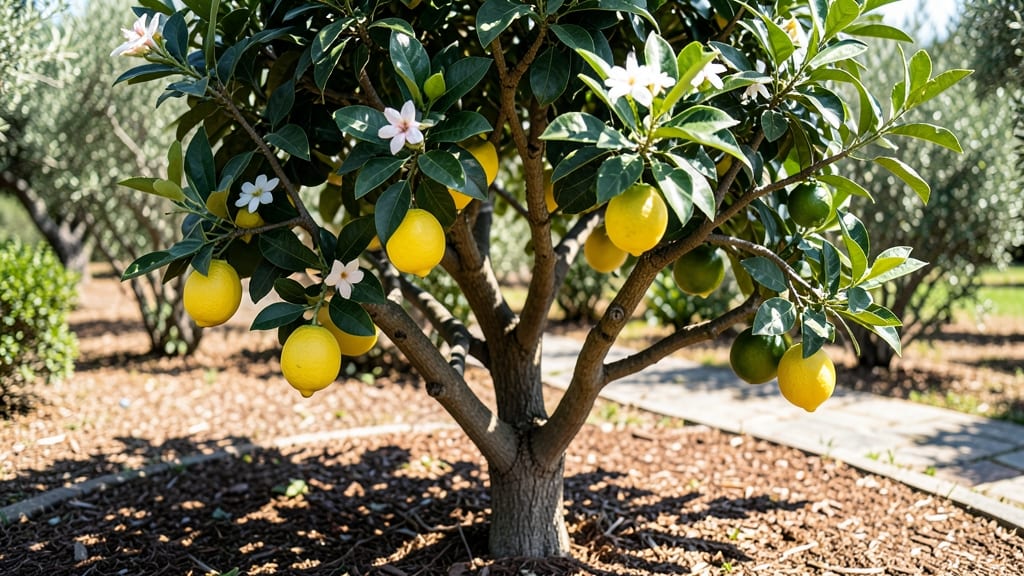
A lemon tree needs a lot of sun to thrive and produce fruit, but the exact amount depends on your climate and growing setup 🍋 — and getting it wrong can mean the difference between a lush tree and one that barely survives.
You might assume your backyard gets enough light, but shady spots, tall buildings, or even seasonal cloud cover can trick you. Without the right exposure, your lemon tree could struggle with stunted growth, sparse leaves, or—worst of all—no fruit at all.
Here’s the good news: most lemon trees need 6 to 8 hours of direct sunlight daily, but container-grown trees or those in cooler zones might need adjustments.
I’ll break down the ideal light conditions, how to spot signs of too much (or too little) sun, and practical tips to maximize sunlight whether you’re growing indoors or outdoors.
By the end, you’ll know exactly how to position your lemon tree for success—no guesswork, just juicy results. Let’s get started!


How many hours of sun does a lemon tree really need?
If you're dreaming of fresh, homegrown lemons, sunlight is the #1 factor separating a thriving tree from a struggling one. While lemon trees love sun, not all varieties have the same needs—and seedlings, mature trees, and fruiting stages each demand different light thresholds.
Let’s break down the science-backed sunlight requirements so you can position your tree for maximum fruit production.
The general rule? Lemon trees need 6-8+ hours of direct sunlight daily for optimal growth, but the exact amount depends on your tree’s variety and life stage. Meyer lemons (the sweet, cold-hardy variety) tolerate slightly less light than Eureka or Lisbon lemons, which are classic sour lemon varieties.
Even a 1-hour deficit can reduce fruit quality and yield, while too much harsh afternoon sun can scorch leaves—especially in hot climates.
| Variety | Seedling Stage | Mature Tree (Fruiting) | Notes |
|---|---|---|---|
| Meyer Lemon | 4-6 hours (partial shade OK) | 6-8+ hours (full sun) | Cold-hardy; tolerates morning sun + afternoon shade. |
| Eureka Lemon | 6 hours (minimum) | 8-10 hours (full sun) | Classic sour lemon; needs intense light for sweet fruit. |
| Lisbon Lemon | 6 hours (minimum) | 8-10 hours (full sun) | Thicker skin; requires full sun to prevent bitter fruit. |
For seedlings and young trees, start with 4-6 hours of sunlight to avoid shocking tender leaves. Gradually increase exposure over 2-3 weeks to full sun once the tree is established. This hardening-off process prevents leaf scorch and encourages sturdy growth.
If you’re growing indoors near a window, rotate the pot weekly to ensure even light exposure—lemon trees lean toward light sources, which can cause lopsided growth.
Once your tree reaches mature size (3+ years old), it needs 8+ hours of direct sunlight daily for optimal fruit production.
This is non-negotiable for Eureka and Lisbon varieties, which produce sour, high-quality lemons only when fully exposed. Meyer lemons are more forgiving but still benefit from 6-8 hours—any less, and you’ll see fewer flowers and smaller fruit.
Pro tip: Place your tree where it gets morning sun and afternoon shade in hot climates (like Zones 9-11) to prevent heat stress.
Did you know? Lemon trees use sunlight to trigger flowering. Insufficient light delays bloom time, which means fewer lemons next season. The key is consistent light exposure—even partial shade (like dappled light from nearby trees) can reduce fruit set by up to 40%.
If your tree is in a container, move it to a sunnier spot in summer and bring it indoors before temperatures drop below 50°F.
Regional adjustments matter too. In northern climates (Zones 7-8), lemon trees thrive with south-facing exposure to maximize sunlight. In southern climates (Zones 9-11), provide afternoon shade to protect leaves from intense midday sun, which can cause leaf burn (brown, crispy edges).
If you’re in an urban area with limited space, a south-facing balcony or patio is ideal—just ensure the tree gets unobstructed light for at least half the day.
Watch for these light-related growth patterns: A healthy lemon tree in full sun will have deep green, glossy leaves and abundant blooms. If leaves are yellowing or dropping, it’s a sign of too much shade.
Conversely, white or brown patches on leaves mean sunburn from excessive exposure. Adjust pruning or shading accordingly—trim leaves that are singed to encourage new growth.
For container-grown lemon trees, sunlight needs are even more critical because pots overheat faster and dry out quicker. Place your container on a heat-resistant tray and avoid black pots (they absorb heat). Instead, opt for terracotta or light-colored containers to reflect sunlight and keep roots cooler.
If you’re using grow lights, 14-16 hours of LED light daily mimics natural sunlight, but supplement with natural light when possible—artificial light alone can’t replace the full spectrum needed for fruiting.
Bottom line? Lemon trees are sun-worshippers, but they’re not one-size-fits-all. Meyer lemons are the most adaptable, while Eureka and Lisbon demand full sun for peak performance.
Start with 6+ hours for seedlings, ramp up to 8+ hours for mature trees, and always monitor leaf health for signs of stress. With the right light, you’ll be harvesting juicy, homegrown lemons in as little
Signs your lemon tree isn’t getting enough (or too much) sunlight
Your lemon tree’s leaves might be whispering secrets about its sunlight struggles. Too little sun causes pale, yellowing leaves, while excessive sun scorches foliage with crispy brown edges. Both extremes stifle fruit production—your dream of homegrown lemons won’t ripen without the right balance.
First, check your tree’s leaf color. Healthy lemon leaves are glossy green, but sun deprivation turns them dull yellow or even purple. Meanwhile, sunburned leaves develop white or brown patches that feel dry to the touch. These visual cues are your tree’s SOS signals.
Here’s the quick breakdown of what’s happening—and how to fix it:
Sunlight Needs for Lemon Trees
- 6-8+ hours of direct sun daily
- South-facing windows or outdoor spots
- Gradual acclimation for indoor trees
- Sudden full sun causes leaf scorch
- Shady spots lead to poor fruiting
- Ignore seasonal changes (winter sun is weaker)
If your tree’s growth pattern looks leggy or sparse, it’s stretching toward light. Meanwhile, dropping leaves—especially in summer—often signals heat stress from too much sun. Even the fruit quality suffers: lemons may stay green, taste bland, or drop prematurely.
Adjust care immediately by relocating your tree to a sunniest spot (like a south-facing patio) or using a reflective surface (like white walls) to bounce extra light. For indoor trees, a grow light 6-12 inches away for 12-14 hours daily can save the season.
Remember: Meyer lemons tolerate slightly less sun than standard varieties, but even they need at least 4-6 hours daily. Watch for these signs, and your tree will reward you with juicy, sweet lemons instead of sad, sun-starved branches. 🌿