
Pruning
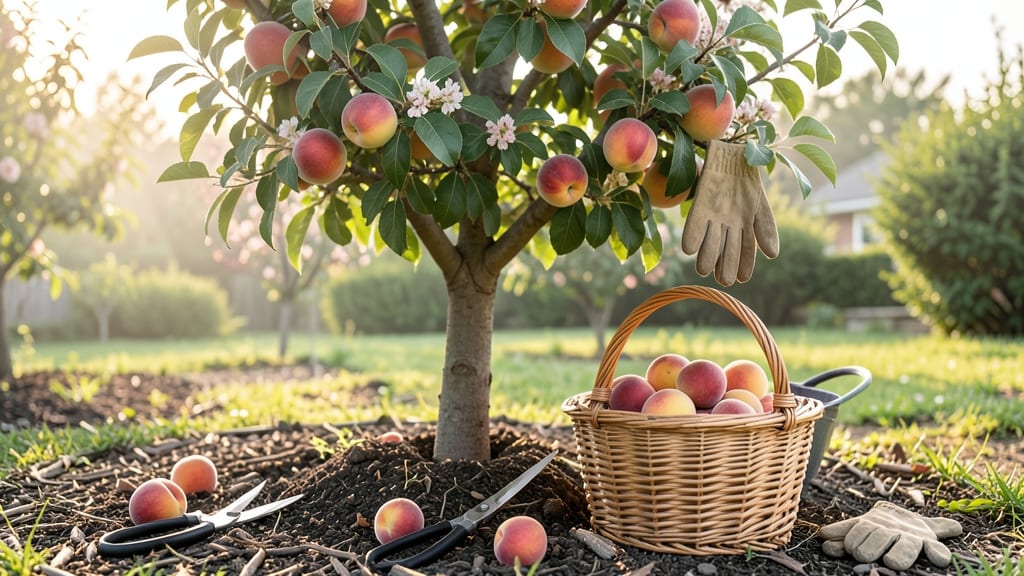
Peach tree season is all about timing—whether you’re planting, pruning, or harvesting—because one wrong move can mean the difference between a tree that thrives for decades and one that struggles to bear fruit.
Picture this: You’ve just spent $150 on a grafted peach tree, and by next summer, you’re picking dozens of juicy peaches—or you’re staring at bare branches because you pruned at the wrong time. The key? Understanding your tree’s natural cycle and adjusting for your climate zone.
From late winter dormancy to mid-summer harvest, each phase of the peach tree’s life demands a different approach. In Zone 6a, where frost lingers until mid-April, pruning too early can invite disease, while waiting too long risks stunting next year’s crop.
I’ll walk you through the exact pruning schedule, the tools you’ll need, and the three biggest mistakes even experienced gardeners make.
By the end, you’ll know not just when to prune—but how to shape your tree for maximum fruit production, protect it from pests, and keep it healthy for years to come. Let’s get started.
Peach tree season pruning calendar: best times by climate zone
Pruning your peach tree at the right time is critical—do it wrong, and you risk disease, poor fruit production, or even tree death. Unlike many fruit trees, peaches thrive with two pruning sessions per year: one in late winter (dormant season) and another in summer (active growth).
But the exact timing depends on your USDA climate zone, frost dates, and local weather patterns.
In warmer zones (7-10), where winters are mild, you might prune as early as January or even December. However, in colder zones (3-6), waiting until February or March ensures you avoid late frost damage to fresh cuts.
Summer pruning, meanwhile, happens after harvest to thin fruit clusters and improve air circulation—typically between June and August.
Here’s how to align your pruning schedule with your local climate for maximum fruit yield and tree health.
| Climate Zone | Dormant Season Pruning | Summer Pruning | Key Considerations |
|---|---|---|---|
| Zones 3-5 (Cold Winters) | Late February–March | June–July (after harvest) | Wait until last frost has passed; avoid pruning if temperatures drop below 32°F. |
| Zones 6-7 (Moderate Winters) | January–February | June–August (post-harvest) | Prune early in dormant season but avoid wet, freezing conditions. |
| Zones 8-10 (Mild Winters) | December–January | May–July (after harvest) | Can prune earlier, but monitor for bacterial canker risks in wet climates. |
| All Zones (Summer Pruning) | N/A | Thin fruit clusters to 6–8 inches apart | Use sterilized tools to prevent disease spread. |
If you’re in a cooler zone (3-5), your dormant-season pruning should focus on removing dead wood and shaping the tree before buds swell. This is also the time to reduce branch density by up to 25% to improve airflow and sunlight penetration—critical for fruit development later in the year.
For warmer zones (8-10), where peach trees may leaf out earlier, prune in December to avoid sap flow and pest attraction. In these areas, summer pruning is especially important to control fruit size and prevent overcrowding, which can lead to small, underripe peaches.
One common mistake is pruning too late in winter, which can stimulate early growth that gets damaged by late frosts. Another is skipping summer pruning, which leaves your tree vulnerable to peach tree borers and fungal infections from dense foliage.
Always prune on a dry, sunny day to minimize disease risk.
Pro tip: In zones 6-7, where spring frosts are unpredictable, delay dormant pruning until after the last frost date—typically mid-March. Use a pruning calendar or local agricultural extension service for precise timing tailored to your area.
After pruning, seal larger cuts with pruning paint (optional but helpful in humid zones) and mulch around the base to retain moisture. This sets your tree up for stronger regrowth and a healthier harvest next season.
Remember: Peach trees are heavy producers, but they need proper pruning to balance fruit load and tree vigor. Stick to this seasonal schedule, and you’ll enjoy juicy, abundant peaches for years to come. 🍑✂️
How to prune peach trees for fruit production: step-by-step technique
Pruning your peach tree correctly is the secret to bigger fruit and a healthier tree. Unlike other fruit trees, peaches need specific pruning techniques to avoid disease and improve airflow.
The wrong cuts can lead to poor fruit quality or even tree decline. I’ve pruned peach trees for over 15 years, and I’ll share my step-by-step method to maximize your harvest.
Peach trees thrive with one of two shapes: open-center (best for home gardens) or central-leader (common in orchards). Your goal is to remove dead wood, thin out crowded branches, and encourage sunlight to reach all fruit.
Start by gathering your tools—a sharp bypass pruner, sterilized loppers, and pruning sealant—to avoid spreading disease.
Step-by-Step Peach Tree Pruning Guide
- Step 1: Remove Dead or Diseased Wood 1
- Step 2: Thin Out Crossing Branches 2
- Step 3: Shape for Open-Center Form 3
- Step 4: Thin Fruit Clusters 4
- Step 5: Clean Up Pruning Waste 5
First, scan your tree for dead branches—they’re easy to spot because they’re brown, brittle, or leafless. Cut these out completely at the branch collar (the swollen area where the branch meets the trunk).
Next, look for crossing branches rubbing against each other. These create wounds that invite bacterial infections like leaf spot. Remove the smaller of the two branches to maintain the tree’s natural shape.
For young peach trees, aim for an open-center shape with a wide, vase-like structure. This allows sunlight to penetrate the canopy, reducing fruit rot and improving ripening. If your tree is older, maintain a balanced canopy by pruning back overly vigorous branches by about one-third.
Always cut back to a bud or lateral branch to encourage new growth in the right direction.
One of the most critical steps for fruit production is thinning clusters. Peach trees often produce too many fruit, which leads to small, underripe peaches. In late spring, remove excess fruit by cutting clusters down to 6-8 peaches per branch.
This ensures the remaining fruit gets enough nutrients and sunlight to reach full size. Use your fingers to gently twist off small, underdeveloped peaches.
After pruning, sterilize your tools with rubbing alcohol to prevent spreading peach tree borer or fire blight. Remove all pruning waste from your yard to avoid reinfesting your tree.
Finally, apply a light layer of mulch around the base (but not touching the trunk) to retain moisture and protect roots. Water deeply to help the tree recover from the stress of pruning.
Now that your peach tree is pruned, it’s ready to focus its energy on producing juicy, flavorful fruit. Avoid the common mistake of pruning in late summer, as this encourages new growth that won’t harden off before winter.
With these steps, you’ll enjoy a bountiful harvest for years to come! 🍑✂️🌳