
Pruning
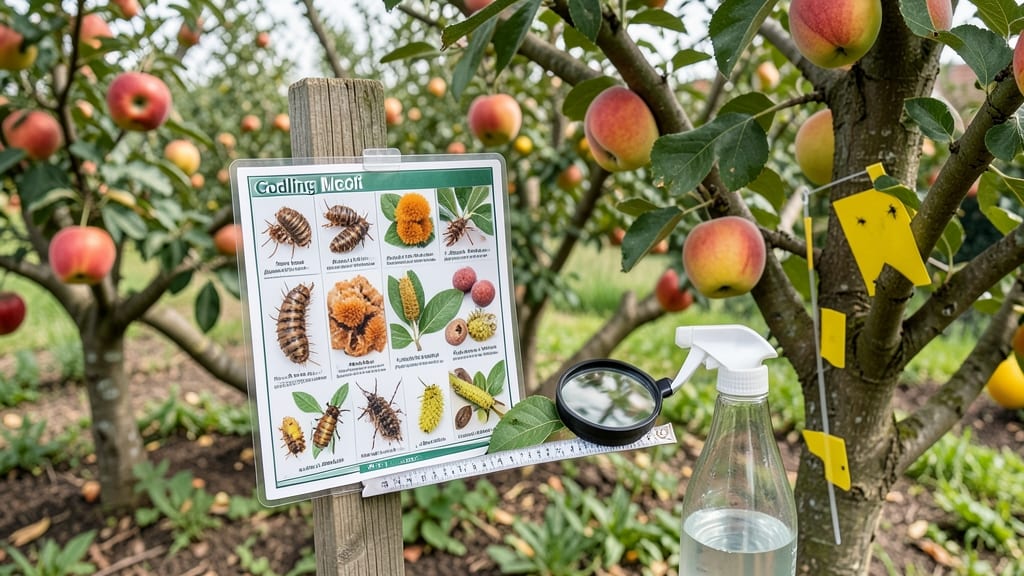
One tiny hole in your apple can mean a ruined harvest. 🌳 Fruit tree pests identification starts with knowing what to watch for—before the damage spreads. I’ve spent years tracking these sneaky invaders, and the earlier you spot them, the easier it is to save your crop.
Aphids leave sticky residue on leaves, borers create sawdust-like frass at the trunk, and mites make leaves yellow like a sunburn. Each pest leaves a unique signature: curled leaves, chewed fruit, or even wilting branches.
The key is learning these clues fast so you can act before your tree’s health takes a hit. You’ll recognize the difference between harmless sap beetles and destructive fruit flies by their size, activity time, and the damage they leave behind.
A quick check of your tree’s bark, leaves, and fruit every week keeps problems from turning into full-blown crises. Prevention is easier than cleanup—once you know what to look for, you can outsmart these pests before they even start.
Let’s break down the most common troublemakers and how to stop them in their tracks.
📚 In This Guide
- What you need
- Instructions
- Tips and common mistakes
- Wrapping up and next steps
What you need
- ● Hand Lens or Magnifying Glass (10x magnification) – For close-up inspection of tiny pests, eggs, or damage.
- ● Notebook & Pen – To record observations, pest types, and affected areas.
- ● Ruler or Measuring Tape – For documenting the size of pests, damage, or infested areas.
- ● Pruning Shears (Sharp & Sterilized) – To safely remove infested branches or collect samples.
- ● Plastic Baggies or Containers – For storing pest samples (e.g., larvae, adult insects) for identification.
- ● Spray Bottle with Water – To gently dislodge pests for better visibility.
- ○ Flashlight (Optional but Helpful) – For inspecting tree bark, crevices, or hidden pests in low light.
- ● Field Guide or App (e.g., iNaturalist, PlantVillage) – For real-time pest identification via photos.
- ● Printed Pest Identification Chart – A quick-reference guide for common fruit tree pests (e.g., aphids, borers, mites).
- ● Internet Access (Smartphone/Tablet) – To cross-reference findings with online databases.
- ● Gloves (Nitrile or Latex) – To protect hands from sap, thorns, or irritants.
- ○ Face Mask (Optional) – If handling large infestations or dusty samples.
- ● Pest Control Products (If Needed) – Organic options like neem oil, insecticidal soap, or horticultural oil (follow label instructions!).
- ● Camera (Smartphone Works!) – Capture close-ups of pests/damage for expert advice.
How to identify and address fruit tree pests before they wreak havoc
Here's how I spot trouble early—because catching pests at the first sign saves your harvest.
🐛 Step 1: Inspect Leaves for Early Signs of Damage
Start with the undersides of leaves where pests hide. Look for tiny holes, chewed edges, or webbing—classic signs of caterpillars, mites, or aphids. I run my fingers gently over the surface to feel for rough textures or sticky residue (aphid honeydew), which signals an infestation. Check the top and bottom of every leaf—some pests like leaf miners only show up as squiggly trails on the upper surface.
Don’t wait for visible damage. A few chewed leaves mean the pests are already multiplying. I examine one branch per tree weekly during growing season, rotating which branches I check to catch new outbreaks fast. If you see more than 5% of leaves damaged, it’s time to act.
🌿 Step 2: Check Fruit and Branches for Physical Evidence
Examine the fruit itself for tiny holes, soft spots, or sawdust-like frass (insect droppings). Codling moth larvae leave neat entry holes, while borers create D-shaped exit holes in branches. Tap branches over a white sheet—if sawdust or tiny beetles fall out, you’ve got borers, which are deadly if ignored.
I also look for unusual growths like galls (swollen plant tissue) or black sooty mold on fruit, which means aphids or scale are excreting honeydew. These pests weaken trees over time, so I treat them before they spread to neighboring plants. If fruit drops prematurely, that’s another red flag—often a sign of fruit flies or spider mites.
🪰 Step 3: Identify Pests by Sight and Behavior
Use a magnifying glass to spot tiny pests like aphids, mites, or thrips—they’re often hidden in leaf folds or flower buds. Aphids cluster in curls, mites leave fine webbing, and thrips scatter when you shake branches. For larger pests like Japanese beetles or stink bugs, check the top of leaves where they feed.
Time your inspection for early morning when pests are sluggish. I bring a small container of soapy water to drop captured pests in—this helps me ID them later. If you’re unsure, snap a photo and compare it to a local pest guide (extension offices often have free resources). The key is acting within 48 hours of spotting pests—delaying lets them multiply exponentially.
✂️ Step 4: Take Corrective Action Based on Pest Type
For soft-bodied pests (aphids, mites), I spray with a neem oil solution (1 tsp neem oil + 1 tsp mild soap per quart of water). For borers or beetles, I apply diatomaceous earth around the trunk or use beneficial nematodes in the soil. If fruit flies are the issue, yellow sticky traps hung near the tree catch adults before they lay eggs.
I avoid broad-spectrum pesticides—they kill pollinators and beneficial insects. Instead, I focus on targeted treatments and physical removal (like handpicking caterpillars). After treating, I recheck in 3-5 days to confirm the pests are gone. If not, I adjust my approach—sometimes pests develop resistance to a single method.
📅 Step 5: Monitor and Prevent Future Outbreaks
Keep a simple log of inspections, noting pest types, locations, and treatments. I mark my calendar for spring and fall—these are peak times for pests to overwinter or lay eggs. Prune infested branches immediately (sterilize tools with rubbing alcohol between cuts) and remove fallen fruit from the base of the tree to starve larvae.
Healthy trees resist pests better, so I fertilize in early spring with balanced organic fertilizer and mulch around the base to retain moisture. A birdhouse or bat box near the tree encourages natural predators like birds and bats, which eat pests like caterpillars and beetles. Prevention saves 90% of the battle—once pests are gone, I stay vigilant to catch them early next time.
Tips & tricks for early fruit tree pest detection
Here's what I've learned from years of battling pests—these tricks help me catch problems before they ruin my harvest.
Timing Secret: The weekly inspection in Step 1 is non-negotiable, but I've found that early morning inspections (before 9 AM) catch more pests because they're sluggish then. I also do a quick weekend check of all trees—just 10 minutes per tree—because pests multiply fastest on weekends when I might miss them during the week. The 48-hour window after spotting pests is critical too; I set a phone reminder to treat immediately if I see damage.
Visual Cues: In Step 2, I've learned to look for three key signs on fruit: tiny holes (codling moth), sawdust-like frass (borers), and premature fruit drop (fruit flies). For leaves, I run my fingers along the veins—aphids leave a sticky residue that feels almost waxy. I keep a white sheet under the tree to catch falling pests or frass when I tap branches. This simple trick reveals borers and beetles that would otherwise stay hidden.
Identification Hack: For Step 3, I've created a pest ID cheat sheet with photos of common pests in my region. When I'm unsure, I capture pests in soapy water and compare them to the sheet. I've also learned that magnifying glass inspections should focus on leaf undersides first—90% of tiny pests hide there. The early morning timing is especially important for spotting thrips, which scatter when disturbed.
Treatment Follow-Up: After applying treatments in Step 4, I always recheck in 3-5 days—this is when I notice if pests are developing resistance. I've found that neem oil works best when applied in the evening (pests are less active) and that diatomaceous earth needs to stay dry to be effective. For persistent problems, I rotate between neem oil and insecticidal soap every 7 days to prevent resistance.
Pro Tips for Fruit Tree Pests Identification
- Here's what I've learned from years of battling pests—these tricks help me catch problems before they ruin my harvest.
- Timing Secret: The weekly inspection in Step 1 is non-negotiable, but I've found that early morning inspections (befo...
- Visual Cues: In Step 2, I've learned to look for three key signs on fruit: tiny holes (codling moth), sawdust-like fr...
Frequently asked questions
Got questions about spotting and stopping fruit tree pests? You’re not alone!
Here are answers to the most common concerns—from early signs to organic solutions—so you can protect your harvest with confidence.
What are the most common fruit tree pests I should watch for?
Look out for aphids (tiny green/black clusters), codling moths (sawdust-like frass in fruit), Japanese beetles (skeletonized leaves), and scale insects (brown bumps on branches). Early detection is key—check leaves, fruit, and bark regularly, especially after rain or during warm months.
When is the best time to identify and treat pests?
Act at the first sign—spring (when buds swell) and summer (fruit development) are peak times. Monitor weekly for eggs, larvae, or damage. Wait until pests are active (not dormant) for treatments like neem oil or insecticidal soap to work best. Pro tip: Use a magnifying glass for tiny pests like mites!
Are there organic ways to control pests without chemicals?
Try horticultural oil (for scale/mites), row covers (to block moths), or beneficial insects like ladybugs (aphid predators). DIY sprays—like garlic/pepper spray—can deter soft-bodied pests. For stubborn infestations, combine methods (e.g., prune damaged branches + introduce predators).
My fruit has holes or tunnels—what’s eating it?
Holes in apples/pears? Likely codling moth larvae. Stone fruits (peaches/plums) with tunnels? Plum curculio or fruit flies. Act fast: Pick fallen fruit, remove infested branches, and use pheromone traps or kaolin clay to deter laying eggs. Store harvested fruit in the fridge to prevent spread!
Can I still save my tree if pests are already established?
Yes! Prune infected areas immediately (sterilize tools with rubbing alcohol), apply targeted treatments, and boost tree health with balanced fertilizer. For severe cases, consult a local extension office—they may recommend systemic insecticides (use sparingly). Prevention (like proper spacing and sanitation) is your best long-term defense!
Wrapping up and next steps
Identifying fruit tree pests early is your first line of defense—and now you’ve got the tools to do it! 🌱 From chewed leaves to mysterious webs, recognizing these invaders means you can act fast to protect your harvest.
Don’t wait until damage spreads; knowledge is your best pruning tool.
Ready to take action? Start with a quick inspection of your trees this weekend—spot anything unusual? Grab your magnifying glass, compare notes with our guide, and tackle those pests before they become a bigger problem. Your future fruit (and peace of mind) will thank you!