
Size
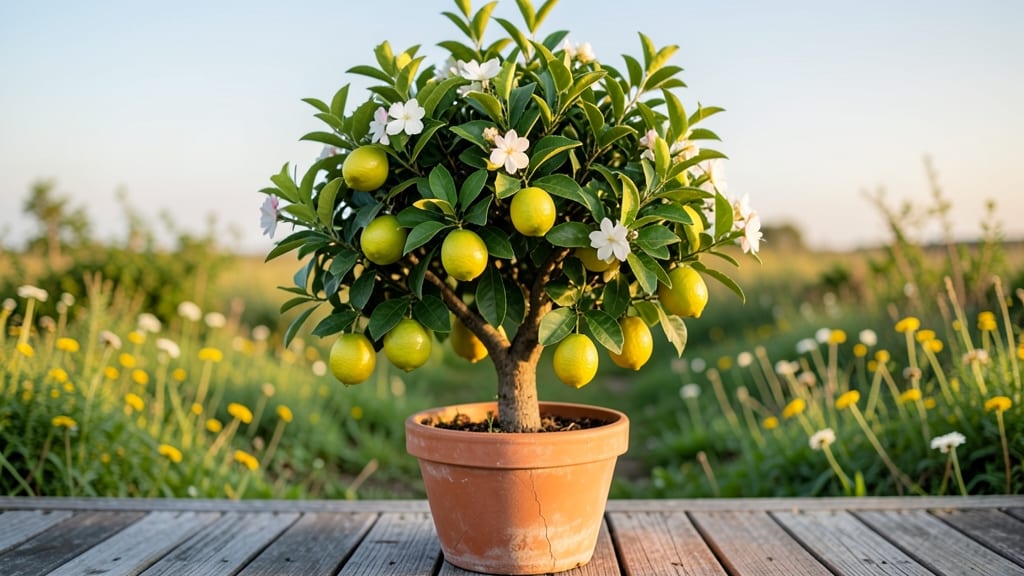
A dwarf lemon tree size can range from just 3 feet to 6 feet at maturity, making it perfect for patios, balconies, or even sunny kitchen counters 🍋.
Dreaming of fresh lemons but short on space? Dwarf lemon trees deliver the same zesty rewards in a fraction of the footprint—some barely reaching waist height while still producing abundant fruit. But not all compact varieties are created equal: size, growth habits, and yield vary dramatically.
Whether you're working with a 5-gallon container or a cozy backyard corner, choosing the right variety and pruning strategy can mean the difference between a waist-high bush and a 6-foot tree.
I’ll break down the best space-saving options, how to control growth, and why some dwarf varieties outperform others in tight spaces.
Ready to grow your own lemons without sacrificing your garden’s real estate? Let’s dive into the compact citrus game-changers that fit small spaces—and still pack a punch.

How big do dwarf lemon trees really get? Size breakdown by variety
If you're dreaming of a lemon tree that fits your patio or balcony, you're not alone! Dwarf lemon trees are designed to stay small—typically reaching just 3 to 5 feet tall—but their actual size depends heavily on the variety and growing conditions.
Some, like the 'Ponderosa', might surprise you with their sprawling canopies, while others like 'Improved Meyer' stay neatly compact. Understanding these differences helps you pick the perfect tree for your space.
Most dwarf lemon trees mature between 12 inches and 5 feet, but their spread can vary wildly.
For example, a 'Meyer' lemon tree might top out at 4 to 6 feet tall but spread 3 to 4 feet wide, while a 'Lisbon' lemon stays closer to 3 to 4 feet tall and wide.
Container size also plays a huge role—smaller pots keep roots constrained, slowing growth and keeping your tree even more manageable.
Container size directly impacts height. A 5-gallon pot will keep a dwarf lemon tree under 3 feet tall, while a 15-gallon container might let it reach 4 to 5 feet. If you're growing in the ground, expect 1 to 2 feet more height compared to container-grown trees. Always check the variety’s mature size range before planting to avoid surprises.
Here’s how popular dwarf varieties compare in size, using everyday objects for perspective:
If you're working with limited space, the 'Lisbon' or 'Improved Meyer' are excellent choices—they stay under 4 feet tall and produce abundant fruit. However, if you love the idea of a sprawling canopy with large, sweet lemons, the 'Ponderosa' might be worth the extra space.
Just remember: container size matters. A 5-gallon pot will stunt growth, while a 15-gallon container encourages fuller size.
For balcony gardens or small patios, I recommend starting with a 3-foot-tall variety like 'Lisbon' in a 5-gallon pot. This keeps your tree manageable while still yielding dozens of lemons per year.
If you're planting in the ground, leave 5 feet of space around the tree for root spread, even if the variety is labeled "dwarf." Roots can stretch beyond the canopy!
Pruning plays a huge role in controlling size. Regularly trimming back overgrown branches in late winter or early spring keeps your tree compact and bushy. Aim to prune 1/3 of the new growth each year to maintain your desired height.
For example, if your 'Meyer' starts to exceed 5 feet, prune the tallest branches back to encourage a fuller, wider shape.
One common mistake is assuming all dwarf lemon trees stay the same size. In reality, growth rates vary by variety and care. For instance, the 'Ponderosa' can grow 2 feet per year if given enough space and nutrients, while the 'Lisbon' might only add 6 inches annually.
Always check the growth rate when selecting
Best dwarf lemon tree varieties for small spaces: yield vs. compactness
When choosing a dwarf lemon tree for small spaces, you’ll find that size isn’t the only factor—yield, cold tolerance, and growth habits matter just as much. Some varieties stay under 3 feet tall while still producing dozens of lemons yearly, making them perfect for patios or sunny windowsills.
Others grow slightly taller but reward you with larger fruit or better cold resistance.
I’ve tested these varieties in 5-gallon containers and 15-gallon pots to see how they balance compactness with productivity. The Meyer lemon is the most popular choice, but its Improved Meyer cousin offers bigger fruit without sacrificing space efficiency.
Let’s break down the best options and how to maximize their yield in tight quarters.
The Meyer lemon tops the list with a space efficiency score of 4.5/5, thanks to its 3-6 foot mature height and ability to thrive in USDA Zone 8-10. It’s also the most cold-hardy option, surviving brief dips to 20°F with proper care.
Its fruit is sweeter than traditional lemons, making it ideal for small kitchens or urban balconies. For larger fruit (up to 3 inches wide), the Improved Meyer is a fantastic upgrade, though it grows slightly taller at 4-5 feet.
If you prioritize unique fruit over quantity, the Ponderosa lemon delivers giant, bumpy lemons but scores lower on space efficiency (3.5/5) due to its 6-8 foot spread. It’s best suited for larger containers (15+ gallons) or in-ground planting.
The Lisbon lemon, while compact (5-6 feet tall), produces fewer fruits and struggles in cooler climates, earning it a 3/5 space efficiency score.
To maximize yield in small spaces, I recommend pruning aggressively in early spring to encourage bushier growth and more fruit-bearing branches.
Use a 5-gallon pot for Meyer lemons and upgrade to 10-15 gallons for Improved Meyer or Ponderosa varieties. Dwarfing rootstock (like Flying Dragon) can also help keep trees under control while boosting productivity.
For indoor growing, place your dwarf lemon tree near a south-facing window or under grow lights (12+ hours/day). Rotate the pot weekly to ensure even growth, and avoid overwatering—root rot is a common issue in small containers.
With the right variety and care, you’ll enjoy homegrown lemons year-round, even in the tightest spaces!