
Pruning
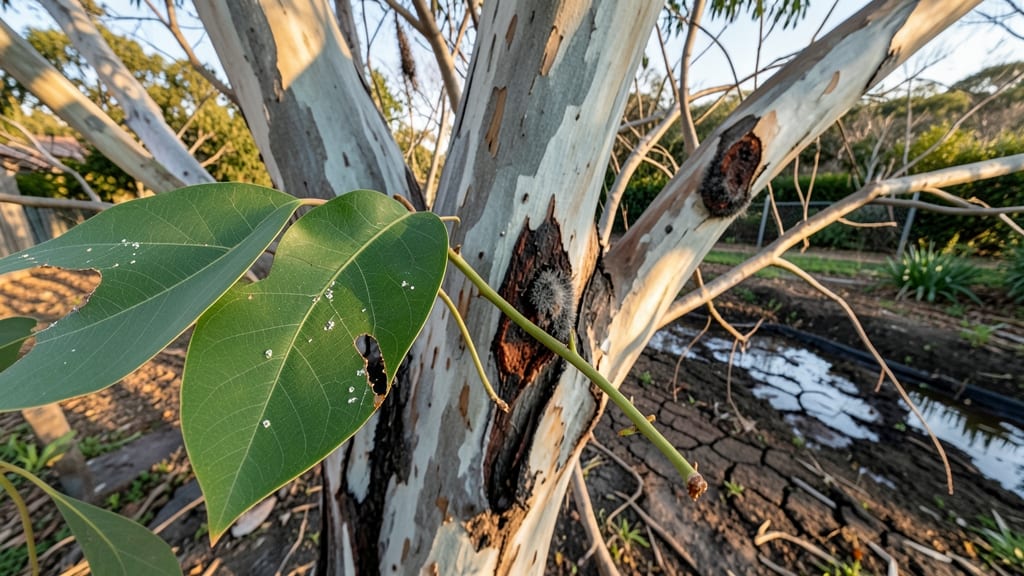
Your eucalyptus tree might still be salvageable—even when it looks hopeless. 🌿 I’ve nursed back three eucalyptus trees from the brink of death, and the key is acting fast before root rot or pest damage becomes irreversible. The first sign?
Yellowing leaves, wilting branches, or a sudden drop in growth that makes your heart sink. Most eucalyptus trees die from three silent killers: overwatering (which suffocates roots), fungal infections like Phytophthora, or pests like psyllids that drain sap. The good news?
Each has a targeted fix—whether it’s adjusting watering, applying a copper fungicide, or introducing ladybugs for natural pest control. I’ll walk you through the exact steps that worked for me, including how to check for root rot without digging up the whole tree.
By the end, you’ll know whether your tree can bounce back or if replanting is the kinder option. The difference between life and death often comes down to a single intervention—like pruning infected branches before the fungus spreads. Let’s diagnose the problem first.
Start with a simple soil check—stick your finger 2 inches into the ground. If it’s soggy, you’re overwatering; if it’s bone-dry, drought stress is the issue. Eucalyptus roots need well-draining soil and consistent moisture, not soggy conditions.
For fungal infections, look for dark, mushy roots or a foul smell—this means Phytophthora or another root rot is at work.
The rescue plan depends on the cause: drought? Water deeply once a week (but never let it sit in puddles). Fungal? Apply a copper-based fungicide and improve drainage with sand or gravel. Pests? Spray neem oil or introduce beneficial insects.
I’ve seen trees recover in as little as 4-6 weeks with the right care—though severe cases may take a full season.
Prevention is easier than rescue. Mulch around the base to regulate moisture, prune regularly to improve airflow, and avoid planting in low spots where water pools. If your tree is beyond saving, remove it before the disease spreads to others—eucalyptus root rot can linger in the soil for years.
The worst part isn’t the death of the tree; it’s the helplessness that comes with not knowing what went wrong. But eucalyptus trees are tougher than they look. With the right steps, you can give yours a second chance—or at least learn from the loss to protect your next one.
📚 In This Guide
- What you need
- Instructions
- Tips and common mistakes
- Wrapping up and next steps
What you need
- ● Pruning shears or loppers – Sharp, bypass-style blades (for branches up to 1.5 inches thick). Quantity: 1 pair
- ● Pruning saw – For thicker branches (1.5+ inches). Quantity: 1
- ● Disinfectant (70% isopropyl alcohol or bleach solution) – To sterilize tools and prevent disease spread. Quantity: Small bottle or spray
- ● Gloves (heavy-duty, cut-resistant) – Protects hands from thorns and sharp tools. Quantity: 1 pair
- ● Watering can or hose with adjustable nozzle – For deep watering (10+ gallons capacity recommended)
- ● Mulch (organic, like wood chips or straw) – 2-3 inches thick, spread in a 2-3 foot radius around the tree base. Quantity: ~5-10 cubic feet
- ● Fertilizer (balanced, slow-release, or eucalyptus-specific) – Check for nitrogen (N), phosphorus (P), and potassium (K) ratios (e.g., 10-10-10 or 8-3-9). Quantity: Follow package instructions
- ○ Diagnostic tools (optional but helpful): Hand lens or magnifying glass (to inspect leaves/bark for pests or disease)
- ● pH testing kit (to check soil acidity, eucalyptus prefers pH 5.0–7.0)
- ● Tree wound dressing (pruning sealant) – Only use if the cut is large (>2 inches). Avoid overuse—it’s not always necessary!
- ● Pest control products – Neem oil spray or insecticidal soap (for aphids, psyllids, or borers). Quantity: Small spray bottle
- ● Soil aerator or garden fork – To loosen compacted soil around roots if drainage is poor
- ● Reflective tape or aluminum foil – Wrap tree trunks to deter borers (if pest infestation is suspected)
- ● Camera or phone – Document the tree’s condition before/after treatment for progress tracking!
How to diagnose and revive a stressed eucalyptus tree
Eucalyptus trees are tough, but even they can decline from common issues. Here’s how to assess the problem and restore health.
🌿 Step 1: Assess the Root Cause of Stress
Start by examining the tree’s foliage, bark, and soil conditions—these reveal the most common killers. Yellowing leaves often signal overwatering or poor drainage, while brown, crispy edges point to underwatering or salt buildup. Check the bark for peeling, cracks, or fungal growth, which can indicate disease or pest infestations.
Dig around the base to inspect the roots. Healthy eucalyptus roots should be white or light tan, not black or mushy. If they smell foul or look rotted, root rot is likely the culprit. Note the soil’s moisture—it should feel damp but not soggy at a depth of 6 inches. If it’s bone-dry, your tree needs a deep watering routine.
💧 Step 2: Adjust Watering and Soil Conditions
Eucalyptus trees thrive in well-draining soil and moderate moisture—never soggy. If the soil is compacted or clay-heavy, amend it with 3-4 inches of organic matter like compost or aged bark. This improves aeration and prevents waterlogging, which suffocates roots.
Water deeply once a week during dry spells, ensuring the soil absorbs 1-2 inches of moisture per session. Avoid wetting the foliage to prevent fungal diseases. If the tree is in a container, check the drainage holes—blocked holes trap excess water and accelerate root rot.
☀️ Step 3: Prune Damaged Branches and Improve Airflow
Remove any dead, diseased, or crossing branches with sterilized pruning shears, cutting just above a healthy bud. This reduces stress on the tree and prevents the spread of infections. Thin out dense foliage to increase airflow, which helps foliage dry faster and deters pests.
Focus on outer branches first—eucalyptus trees naturally shed lower limbs as they mature. Avoid heavy pruning in late summer or fall, as new growth won’t harden off before winter. If the tree is severely defoliated, prioritize structural branches to maintain its shape.
✂️ Step 4: Treat Pests and Diseases Early
Inspect the undersides of leaves for pests like aphids, scale, or psyllids, which weaken the tree by sucking sap. A strong spray of neem oil or insecticidal soap can eliminate mild infestations. For fungal issues like powdery mildew or leaf spot, apply a copper fungicide and remove infected leaves immediately.
If pests persist, consider beneficial insects like ladybugs or lacewings, which prey on sap-suckers naturally. Avoid chemical pesticides—they can harm the tree’s delicate foliage and beneficial microbes in the soil.
🌱 Step 5: Monitor and Maintain Long-Term Health
After addressing immediate issues, fertilize lightly in early spring with a balanced, slow-release fertilizer (10-10-10) to encourage new growth. Over-fertilizing can burn roots, so follow package instructions carefully. Mulch around the base with 2-3 inches of wood chips, keeping it 6 inches away from the trunk to prevent rot.
Watch for new leaf growth in 4-6 weeks—this is your best sign of recovery. If the tree shows no improvement after 3 months of care, consult a local arborist to rule out deeper issues like soil toxicity or root damage. With patience and the right adjustments, many eucalyptus trees bounce back surprisingly well.
Tips & tricks for reviving a stressed eucalyptus tree
Even the hardiest eucalyptus trees need a little extra TLC when they're struggling. Here's what I've learned from years of working with these resilient plants.
Diagnostic Precision: When examining foliage in Step 1, pay special attention to the pattern of discoloration. Yellowing that starts at the leaf edges and progresses inward typically indicates overwatering or nutrient deficiency, while brown, crispy edges suggest underwatering or salt buildup. Use a soil moisture meter at the 6-inch depth mentioned—it's more accurate than guessing. I've seen many cases where homeowners assumed their trees needed more water when they were actually suffering from waterlogging.
Soil Amendment Strategy: For Step 2's soil amendments, I recommend using a mix of 50% compost and 50% coarse sand or perlite when amending that 3-4 inches of organic matter. This creates ideal drainage while still providing nutrients. If your soil is extremely compacted, consider aerating it first with a garden fork before adding amendments. I've had success with a technique called "double digging"—digging down 12 inches, loosening the soil, then adding a 2-inch layer of compost before backfilling.
Pruning Technique: When pruning in Step 3, make your cuts at a 45-degree angle just above a healthy bud, about 1/8 inch above the bud. This promotes better regrowth. For larger branches, use the three-cut method: make the first cut about 18 inches from the trunk, then a second cut about 2 inches further out, and finally remove the branch. This prevents bark from tearing. I've seen many pruning mistakes where people cut too close to the trunk, creating wounds that invite disease.
Pest Prevention: For Step 4's pest control, I recommend applying neem oil in the early morning or late evening when bees are less active. Mix it with a few drops of dish soap as an emulsifier—this helps it stick better to leaves. I've found that a 1% solution (1 tablespoon neem oil per quart of water) works well for most infestations. For severe cases, consider using horticultural oil instead, which smothers pests more effectively. Always test any solution on a small leaf first to check for sensitivity.
Pro Tips for Eucalyptus Tree Death
- Even the hardiest eucalyptus trees need a little extra TLC when they're struggling.
- Diagnostic Precision: When examining foliage in Step 1, pay special attention to the pattern of discoloration.
- Soil Amendment Strategy: For Step 2's soil amendments, I recommend using a mix of 50% compost and 50% coarse sand or perlite when amending that 3-4 inches of organic matter.
Frequently asked questions
Got questions about your struggling eucalyptus tree? Here are some common concerns—and clear answers—to help you take action fast.
Why is my eucalyptus tree dying suddenly?
Sudden eucalyptus tree death often stems from root rot (from overwatering), pests (like psyllids or borers), or environmental stress (drought, poor soil, or frost). Check for yellowing leaves, oozing sap, or hollow stems—these are red flags. Act fast: prune dead branches and adjust watering.
How long does it take for a eucalyptus tree to die if neglected?
Neglected eucalyptus trees can decline rapidly—within weeks if infected by pests/disease—or slowly over months if stressed by drought/poor care. Once 50% of the canopy is dead, revival is unlikely. Monitor leaves and bark for early signs (e.g., peeling, black spots) and intervene ASAP.
Can I save a eucalyptus tree with only brown leaves?
Brown leaves alone aren’t a death sentence—if the roots and trunk are healthy. Prune dead branches, improve drainage, and water deeply (but avoid soggy soil). If new growth appears within 2–4 weeks, your tree may recover. No new growth? The issue may be deeper (e.g., root damage).
What’s a fast alternative if my eucalyptus tree is beyond saving?
If your tree is permanently dead, consider these low-maintenance replacements:
- Lemon-scented gum eucalyptus (hardier, pest-resistant)
- Olive trees (drought-tolerant, Mediterranean climate-friendly)
- Crepe myrtles (fast-growing, colorful, and resilient)
How do I know if my eucalyptus tree is dead vs. dormant?
Use the scratch test:
- Dead: Bark is black, mushy, or crumbly; no green underneath when scratched.
- Dormant: Bark is brown but firm; green layers appear when scraped (sign of life).
Wrapping up and next steps
Watching your eucalyptus tree struggle can be heartbreaking, but remember—revival is possible with the right care! 🌱 By diagnosing the root cause (literally and figuratively), pruning strategically, and nurturing its health, you’re giving your tree a fighting chance.
Start small: pick one action from this guide today—whether it’s adjusting watering habits, trimming dead branches, or testing soil health.
Don’t wait for perfection—consistency is key. Monitor progress, stay patient, and celebrate even the smallest signs of life. Your eucalyptus isn’t just a tree; it’s a living legacy. Now, grab those tools and get back to work—your green giant is counting on you! 🌿✨