
Diseases
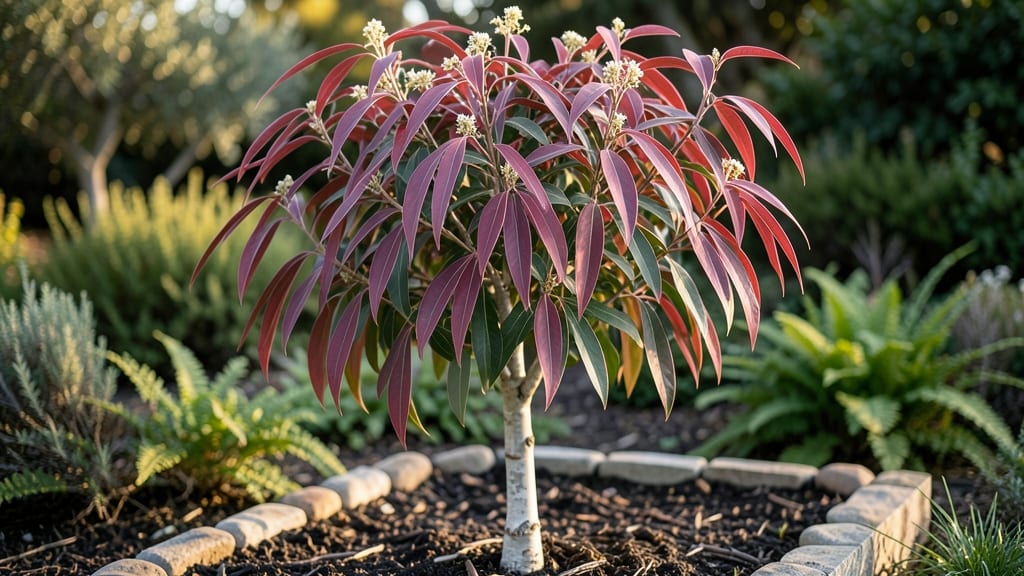
Seeing red leaves on your Eucalyptus Tree 🌳 isn’t just a cosmetic quirk—it’s often a cry for help from your plant.
That vibrant blush might look striking, but it usually means your eucalyptus is battling stress, whether from drought, nutrient shortages, or even pests. The good news? Most cases are fixable with simple adjustments—like tweaking watering schedules or checking soil health.
In this guide, I’ll break down the top 5 causes of red leaves, from environmental factors to hidden diseases, and show you exactly how to restore your tree’s lush green glow.
Whether you’re in USDA Zone 9b or a frost-free climate, these solutions will help you diagnose the problem fast and keep your eucalyptus thriving year-round.
5 Most common causes of red leaves on eucalyptus trees
Eucalyptus trees are prized for their silvery-blue foliage, but when leaves turn bright red, it’s a clear distress signal. This discoloration rarely happens naturally—it’s almost always a response to stress or damage.
The good news? Most causes are reversible with the right care. Let’s break down the top 5 triggers ranked by how often they appear in gardens.
Red leaves on eucalyptus are rarely a sign of a terminal disease, but they do indicate your tree is struggling. The most common culprits fall into three categories: environmental stress, nutrient imbalances, and pest or fungal pressure.
Identifying the exact cause often comes down to observing leaf patterns, tree location, and seasonal timing.
🌳 5 Most Common Causes of Red Eucalyptus Leaves
-
1. Extreme Heat or Sun Scorch
Leaves turn reddish-purple on sun-exposed sides during peak summer. -
2. Water Stress (Over/Under)
Wilting + red edges = drought; yellow-red = overwatering. -
3. Nutrient Deficiency (Iron/Magnesium)
Red veins or interveinal chlorosis = micronutrient lack. -
4. Fungal Infection (Anthracnose)
Red spots with yellow halos = fungal spores spreading. -
5. Pest Damage (Scale or Spider Mites)
Sticky residue + reddish-brown leaves = sap-sucking pests.
Let’s dive deeper into each cause, starting with the most frequent: environmental stress. Eucalyptus trees are native to Australia’s harsh climate, but even they can’t handle sudden heatwaves or intense sunlight without adapting.
When temperatures exceed 95°F (35°C), leaves often develop reddish-purple hues as a protective response to sun scorch.
This stress typically appears on the southwestern sides of the tree, where sunlight is most direct. If you notice reddened leaves clustered in one area, your eucalyptus might need partial afternoon shade, especially in USDA Zones 9b-11.
A simple fix? Install a lightweight shade cloth (30-50% blockage) during peak afternoon hours.
Next up: water stress, which is a close second in frequency. Eucalyptus trees are drought-tolerant, but they still need consistent moisture in their root zone. Underwatering causes leaves to curl and turn dull red, while overwatering leads to yellow-red discoloration and root rot.
The key is deep, infrequent watering—aim for 15-20 gallons per month for mature trees.
To test for water stress, dig 2 inches deep near the base. If the soil is bone-dry, your tree needs water. If it’s soggy, reduce frequency and improve drainage with organic mulch. A 3-inch layer of wood chips helps retain moisture while preventing soil compaction.
Nutrient deficiencies often sneak up on gardeners, especially in poorly amended soil. Eucalyptus trees thrive in slightly acidic to neutral soil (pH 6.0-7.0), but they’re particularly sensitive to iron and magnesium deficiencies. When these nutrients are lacking, leaves develop reddish veins or yellowing between veins (interveinal chlorosis).
A simple soil test can reveal deficiencies, but quick fixes include chelated iron supplements or Epsom salt (magnesium sulfate). For a DIY remedy, mix 1 tablespoon of Epsom salt into 1 gallon of water and apply to the soil. Repeat every 4-6 weeks until new growth appears.
Fungal infections, like anthracnose, are the fourth most common cause of red leaves. This disease thrives in humid, poorly ventilated conditions and appears as reddish-brown spots with yellow halos.
Unlike environmental stress, fungal issues spread quickly and can kill branches if untreated. The best defense? Prune for airflow and apply copper fungicide during rainy seasons.
Finally, pests like scale insects and spider mites can trigger reddening as they sap leaves dry out. Look for sticky residue (honeydew) on leaves or fine webbing on stems.
A strong spray of neem oil or insecticidal soap usually resolves infestations within 2-3 weeks. For severe cases, introduce beneficial predators like ladybugs.
🌱 Understanding these causes puts you ahead of the game. The next step? Diagnosing your tree’s specific issue—we’ll cover that in our step-by-step troubleshooting guide.
How to diagnose & fix red leaves: step-by-step guide
Red leaves on your eucalyptus tree can be alarming, but the good news is that most cases are treatable with the right approach. Start by examining the leaf edges and leaf texture—these clues will help you pinpoint the exact issue.
For example, crispy brown edges often signal underwatering, while soft, yellowing patches may indicate overwatering or fungal infection.
Before taking action, check the soil moisture by sticking your finger 2-3 inches deep. If it feels dry, your tree may need more frequent watering. Conversely, if the soil is soggy, reduce watering immediately to prevent root rot.
Remember, eucalyptus trees prefer well-draining soil and deep watering rather than shallow, frequent soaks.
If red leaves appear suddenly with black spots or white powdery residue, your eucalyptus may have fungal disease (like anthracnose or powdery mildew). Prune infected branches immediately and apply neem oil or copper fungicide to stop the spread. Avoid watering foliage to reduce humidity around leaves.
Next, inspect the leaf undersides for pests like spider mites or scale insects. Tiny webs or sticky residue (honeydew) are red flags. Treat infestations with a hose spray (for mites) or insecticidal soap (for scale).
Repeat every 5-7 days until pests disappear. For severe cases, consider horticultural oil applied in the early morning.
If the red leaves are new growth and the rest of the tree looks healthy, your eucalyptus may need nutrient adjustments. Conduct a soil test to check for deficiencies in iron, magnesium, or nitrogen.
Amend the soil with compost or a balanced fertilizer (like 10-10-10) in early spring. Avoid over-fertilizing, as this can burn roots and worsen the problem.
For environmental stress, like frost damage or excessive wind, protect your tree by wrapping the trunk with burlap during cold snaps. If the issue persists, consider relocating the tree to a sunnier spot or windbreak.
Eucalyptus thrives in full sun (6+ hours daily), so partial shade can trigger stress responses like red leaves.
Finally, prune affected branches to encourage new growth. Use sterilized shears to cut 1-2 inches above a healthy bud or branch collar. Dispose of pruned leaves off-site to prevent reinfection. With consistent care, your eucalyptus should regain its lush green foliage within 4-8 weeks.