
Pruning
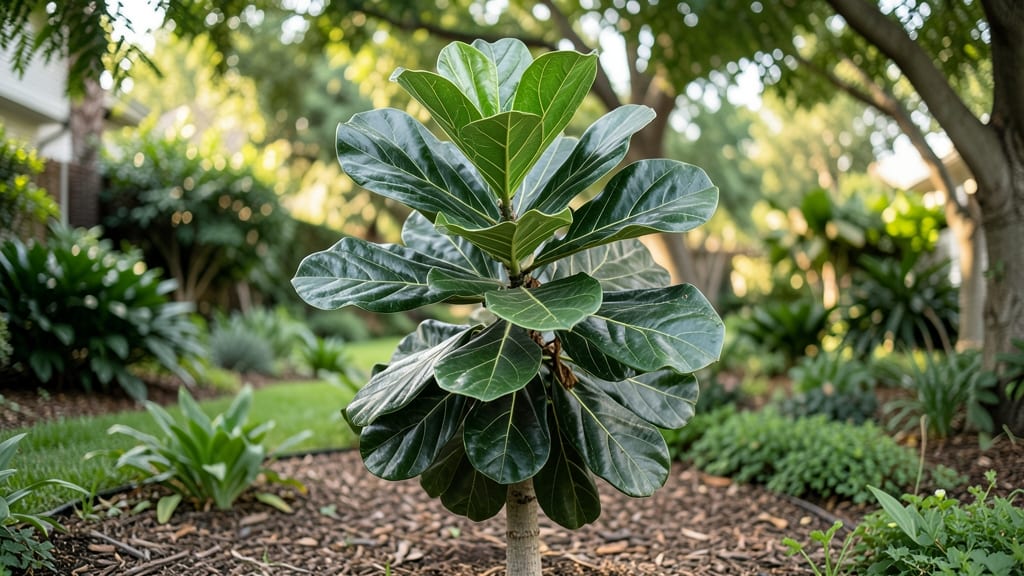
My small ficus tree thrives in spaces where bigger plants would sprawl—think sunlit corners, cozy offices, or even a well-lit bathroom. 🌿 The secret isn’t just picking the right variety (like Ficus microcarpa or dwarf Ficus benjamina), but understanding how to shape its growth from the start.
I’ve kept mine compact for years by controlling light, water, and pruning at the right times—no guesswork, just steady results.
These trees love bright, indirect light but can adapt to lower light if you’re patient (though growth slows). Water when the top inch of soil feels dry—overwatering is the #1 reason leaves yellow or drop.
A quick wipe with a damp cloth keeps those glossy leaves dust-free, and a gentle twist to remove dead leaves keeps the plant tidy without pruning tools.
Pruning isn’t just about size—it’s about encouraging bushier growth. Pinch back new growth in spring to fill out the shape, and trim leggy stems to maintain your desired height.
My tree stays under 4 feet tall this way, perfect for small spaces. The key is consistency: a little care now means fewer headaches later.
Even small ficus trees have big personalities. Watch for pests like spider mites (tiny webs = trouble) and adjust humidity if leaves crisp at the edges. With the right balance, your compact ficus will reward you with years of lush, low-maintenance greenery—no green thumb required.
📚 In This Guide
- What you need
- Instructions
- Tips and common mistakes
- Wrapping up and next steps
What you need
- ● Pruning shears or bypass pruners – Sharp, clean, and able to cut up to ¼-inch branches (1 pair).
- ● Hand pruners or felco pruners – For smaller branches (up to ½-inch thick) (1 pair).
- ● Rubbing alcohol (70% isopropyl) – For sterilizing tools between cuts (small bottle).
- ● Disposable gloves – Nitrile or latex-free for safety (1 pair).
- ● Small bucket or trash bag – For collecting clippings (1).
- ○ Pruning sealant (optional but helpful) – For larger cuts to prevent disease (small tube).
- ● Loppers – If your ficus has thicker branches (up to 1-inch) (1 pair).
- ● Saw (pruning or handsaw) – For stubborn, woody growth (1).
- ● Plant food or fertilizer – To boost recovery after pruning (small bottle).
- ● Spray bottle with water – To mist leaves post-pruning (1).
- ● Notebook & pen – To sketch a pruning plan if needed (1).
Step-by-Step guide to caring for a compact ficus tree
Here's how to keep your small ficus thriving in tight spaces—no green thumb required.
🪴 Step 1: Choose the Right Small Ficus Variety
For tiny spaces, go for compact varieties like the Ficus retusa 'Ginseng' or Ficus microcarpa 'Nana'. These stay under 3-4 feet tall with proper care. Avoid larger varieties like the weeping fig—they outgrow small spaces fast. I always check the plant tag at the nursery for mature size estimates.
Look for a healthy plant with deep green leaves and no brown edges. Yellowing leaves or leaf drop usually means stress from poor care before you even brought it home. A compact ficus should have a sturdy trunk and branches that aren't too leggy.
☀️ Step 2: Position for Bright, Indirect Light
Place your ficus near an east-facing window where it gets bright, indirect light for 6-8 hours daily. South-facing windows work too, but you'll need to shield it from harsh afternoon sun with a sheer curtain. Direct sun causes leaf burn—you'll see crispy brown edges as a warning sign.
If your space is dim, like a north-facing room, supplement with a grow light for 12-14 hours daily. I use a simple LED bulb on a timer—no fancy setup needed. Watch for leaves stretching toward the light; that's your cue to move the plant closer or add more light.
💧 Step 3: Water When the Top 2 Inches of Soil Dry
Water your ficus when the top 2 inches of soil feel dry to the touch. Stick your finger in the soil—if it's damp, wait another day. Ficus trees hate soggy roots, which leads to root rot and leaf drop. I always water thoroughly until it drains from the bottom, then empty the saucer after 10 minutes.
Underwatering shows up as crispy leaf edges, while overwatering causes yellowing leaves that feel mushy to the touch. Adjust your watering schedule based on your home's humidity—dry air means you'll need to water more frequently. In winter, when heating runs, I water about 30% less than in summer.
✂️ Step 4: Prune for Shape and Health
Prune your ficus in early spring to encourage bushier growth. Use clean, sharp pruning shears to trim back leggy stems or shape the canopy. Cut just above a leaf node (the bump where leaves grow) to encourage new growth. I like to prune mine after a good watering—plants handle stress better when hydrated.
Don't be afraid to cut back overgrown branches. Ficus trees respond well to pruning and often grow back denser. You can also propagate the cuttings in water to grow new plants. Just avoid heavy pruning in fall or winter—the plant needs energy to recover before spring growth.
🌿 Step 5: Dust Leaves and Monitor for Pests
Wipe your ficus leaves with a damp microfiber cloth every 2-4 weeks to remove dust. Dust blocks light absorption, causing leaves to yellow or drop. I do this while watering—just grab the cloth and give the leaves a quick wipe as I walk by. For tough spots, mix a few drops of mild dish soap with water for extra cleaning power.
Check the undersides of leaves weekly for pests like spider mites or mealybugs. These tiny critters love ficus trees and can cause big problems if ignored. If you spot them, isolate the plant and treat with insecticidal soap or neem oil. I spray the leaves and soil line, then keep an eye out for new pests for a few weeks.
Tips & tricks for perfect compact ficus tree care
Real talk: Even the hardiest small ficus can struggle if you miss these key details—here's how to keep yours thriving in tight spaces.
Lighting Strategy: That 6-8 hours of bright, indirect light in Step 2 is non-negotiable for compact varieties. I've learned the hard way—south-facing windows without sheer curtains will burn those delicate leaves faster than you can notice. For north-facing rooms, position your grow light just 6-12 inches above the plant to mimic natural light intensity.
Watering Wisdom: The 2-inch soil dryness test from Step 3 works, but here's what nobody tells you: Use your finger to check moisture in multiple spots—ficus roots spread unevenly. And that 10-minute drain time? Critical for preventing root rot. I keep a small timer next to my watering can to avoid overwatering, especially in winter when humidity drops.
Pruning Pro Tip: When shaping your ficus in Step 4, cut at a 45-degree angle just above a leaf node. This creates a larger surface for new growth to sprout from. I always sterilize my pruning shears with rubbing alcohol between cuts to prevent spreading disease. For heavy pruning, do it in stages over 2-3 weeks rather than all at once—your plant will thank you with less shock.
Pest Prevention: Those weekly leaf checks in Step 5 are your best defense against spider mites. Look for tiny webs on leaf undersides—early signs you've missed. I keep a spray bottle of diluted neem oil (1 tsp per cup of water) ready for quick treatment. The key is consistency: pests multiply fast when you ignore them, and by then it's a much bigger cleanup.
Pro Tips for Ficus Tree Small
- Real talk: Even the hardiest small ficus can struggle if you miss these key details—here's how to keep yours thriving in tight spaces.
- Lighting Strategy: That 6-8 hours of bright, indirect light in Step 2 is non-negotiable for compact varieties.
- Watering Wisdom: The 2-inch soil dryness test from Step 3 works, but here's what nobody tells you: Use your finger to check moisture in multiple spots—ficus roots spread unevenly.
Frequently asked questions
Got questions about keeping your ficus tree small while maximizing its charm? Here are answers to the most common concerns—because even tiny spaces deserve big personality!
How do I keep my ficus tree small long-term?
Prune regularly (every 3–6 months) to control growth, focusing on back-budding—cutting just above a leaf node to encourage bushier growth. Use clean, sharp pruners and avoid over-trimming to prevent stress. Pair with proper light (bright, indirect) and occasional root pruning to slow height spikes.
When is the best time to prune a small ficus?
The ideal time is spring or early summer, when the tree is actively growing. Avoid heavy pruning in fall/winter, as it may stunt recovery. Light trimming to shape or remove dead leaves can happen year-round, but major cuts should wait for the growing season.
Can I grow a ficus indoors if I only have a small corner?
Dwarf varieties like Ficus microcarpa ‘Ginseng’ or Ficus benjamina ‘Exotica’ thrive in tight spaces. Place it near a bright window (no direct sun) and rotate it weekly for even growth. A 6–12" pot with drainage holes works well—just monitor for root-bound stress (yellow leaves = time to repot!).
Why are my ficus leaves turning yellow after pruning?
Yellowing leaves are usually a sign of over-pruning or stress. If you’ve trimmed more than 1/3 of the foliage, the tree may drop leaves to conserve energy. To help, reduce watering slightly, ensure humidity (mist leaves or use a pebble tray), and avoid fertilizing for 4–6 weeks. New growth should bounce back!
What’s a good alternative to a ficus for tiny spaces?
If ficus feels too high-maintenance, try these low-space, low-drama picks:
- Schefflera ‘Amate’ – Compact, glossy leaves, drought-tolerant.
- Zamioculcas (ZZ Plant) – Nearly indestructible, thrives in shade.
- Peperomia – Tiny, textured leaves; great for shelves.
- Dracaena ‘Marginata’ – Slow-growing, architectural stripes.
Wrapping up and next steps
Caring for a small ficus tree in tight spaces is totally doable—with the right pruning techniques, you’ll keep it lush, healthy, and perfectly sized! 🌿 Whether you’re trimming for shape, size control, or rejuvenation, confidence comes with practice.
Start small, observe your tree’s response, and soon you’ll master the art of compact canopy care.
Ready to take the next step? Grab your tools, schedule a pruning session, and watch your tiny ficus thrive! 🌱 Need a refresher? Revisit our FAQs or experiment with a few branches—your green thumb is growing!