
Pruning
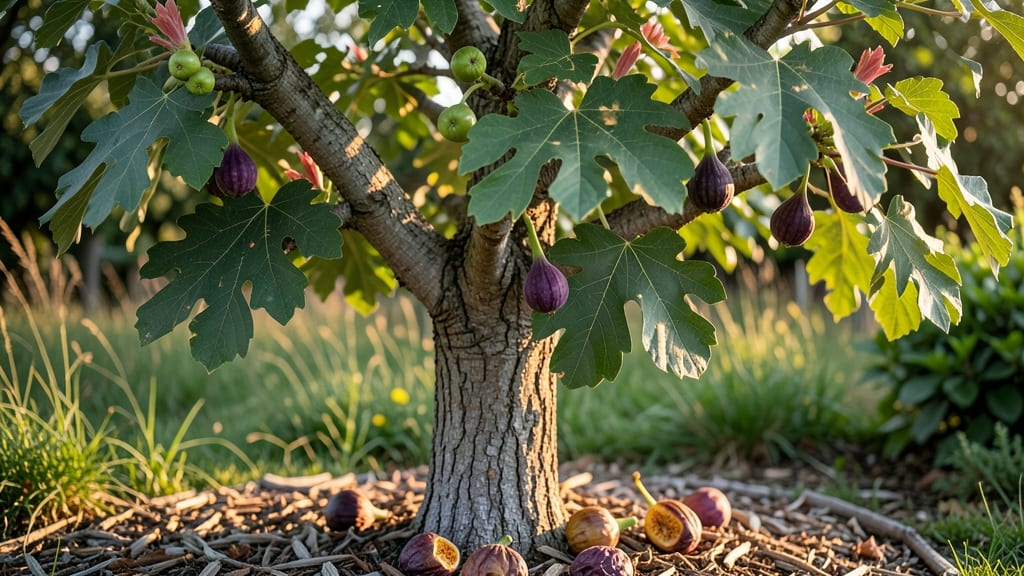
Understanding the fig tree fruit cycle 🥝 is the key to unlocking a bountiful harvest—because these trees don’t just produce one crop per year.
Did you know fig trees actually produce two types of fruit in a single season? The first, called breba, ripens in spring, while the main crop follows in summer and fall.
If you’ve ever wondered why your tree seems to play favorites with fruit production, the answer lies in this fascinating cycle.
This isn’t just about timing—it’s about how you prune, water, and even which variety you grow. Some figs skip the breba crop entirely, while others produce both, and knowing the difference can mean the difference between a handful of figs and a tree heavy with fruit.
In this guide, I’ll walk you through the three stages of the fig tree’s fruit cycle, how to maximize your harvest, and which varieties deliver the most reliably. By the end, you’ll have the tools to turn your fig tree into a year-round producer.
The 3 stages of fig tree fruit development explained
Fig trees are fascinating because they can produce two distinct fruit crops in a single season—something most fruit trees can't do. This unique fruit cycle involves three key stages: caprifigs, breba, and the main crop.
Each stage plays a crucial role in pollination and harvest timing, which is why understanding them can help you maximize your yield.
Not all fig trees produce both crops, though. Some varieties focus solely on one, while others give you a double harvest. The caprifigs (wild figs) are the first to appear, often in late winter or early spring.
These small, inedible figs are essential for pollination, especially for trees that rely on fig wasps to fertilize their fruit.
Next comes the breba crop, a smaller harvest that ripens in early summer. This is the first edible fruit of the season, and it often appears on new wood from the previous year's growth.
Finally, the main crop ripens in late summer or fall, producing the largest and most flavorful figs of the year.
| Stage | Time of Year | Fruit Type | Purpose | Edible? |
|---|---|---|---|---|
| Caprifigs | Late Winter/Early Spring | Wild Figs | Pollination | No |
| Breba Crop | Early Summer | Small Figs | First Edible Harvest | Yes |
| Main Crop | Late Summer/Fall | Large Figs | Primary Harvest | Yes |
The caprifigs are the unsung heroes of the fig tree’s fruit cycle. These small, often overlooked figs develop on last year’s wood and are critical for attracting fig wasps.
When these wasps pollinate the caprifigs, they also pollinate the flowers of the breba and main crops, ensuring a successful harvest.
If your fig tree only produces one crop, it’s likely because it’s a uniffig variety, which skips the caprifig stage entirely. These trees rely on wind or other natural pollinators instead of fig wasps.
Varieties like Brown Turkey or Celestial are common uniffigs, producing only the main crop in late summer or fall.
For a double harvest, you’ll need a biffig variety, such as Adriatic or Desert King. These trees produce both breba and main crops, giving you figs in early summer and again in late summer or fall.
The breba crop is often smaller but can be just as flavorful, depending on the variety.
Timing is everything when it comes to harvesting. The breba crop typically ripens first, usually between May and June, depending on your climate. These figs are often sweeter and more flavorful because they develop earlier in the season.
The main crop follows, ripening from late July through October, and these are usually larger and more abundant.
To encourage both crops, focus on proper pruning in late winter or early spring. Remove dead or diseased wood, and thin out some of the older branches to allow sunlight to reach the new growth where the breba crop will form.
Avoid over-pruning, though, as this can reduce the main crop’s yield.
Environmental factors like temperature and sunlight also play a role. Fig trees thrive in full sun and warm climates. If you’re in a cooler region, you might only get one crop, or the breba crop could fail entirely.
In these cases, focus on protecting your tree from frost and ensuring it gets enough sunlight to support the main crop.
Understanding these three stages of fig tree fruit development will help you plan your harvest, prune effectively, and even choose the right variety for your climate. Whether you’re growing a uniffig or biffig tree, knowing when and why each crop appears will set you up for a bountiful season.
How to maximize your fig tree’s fruit production
Understanding your fig tree’s fruit cycle is key to unlocking its full potential. Many gardeners miss out on breba crops (spring figs) because they don’t know how to encourage both breba and main crops.
With the right pruning techniques, watering schedule, and soil conditions, you can transform a modest harvest into a bountiful one. Let’s dive into actionable strategies that work.
The secret lies in balancing growth stimulation with stress management. Figs thrive when they experience just enough water stress to trigger fruiting hormones but aren’t overwhelmed. Overwatering or inconsistent care can lead to blind nodes—buds that produce leaves instead of fruit.
I’ve seen trees go from 50 figs to 200+ by making just a few adjustments.
🌱 Key Steps to Boost Fig Production
- 1. Prune for sunlight: Open the canopy to 6+ hours of direct sun daily—this triggers breba crop development.
- 2. Water deeply weekly: Soak the root zone (10-15 gallons) in morning to avoid fungal issues.
- 3. Fertilize in spring/fall: Use 10-10-10 slow-release fertilizer to support fruit development.
- 4. Thin fruit clusters: Remove overcrowded figs to let remaining ones grow larger.
- 5. Protect from pests: Use neem oil to prevent fig wasps and aphids.
One of the biggest mistakes gardeners make is pruning at the wrong time. If you cut back too late in the season, you risk removing next year’s fruit buds. Always prune in late winter (just before buds swell) to shape the tree while preserving breba crop potential.
I recommend removing dead wood first, then thinning branches to improve air circulation.
Soil pH plays a surprising role in fig production. Figs prefer slightly alkaline soil (pH 6.0–7.0). If your soil is too acidic, the tree struggles to absorb calcium and magnesium, leading to poor fruit set.
Test your soil annually and amend with lime if needed. A simple compost top-dressing also improves microbiome health, which boosts nutrient uptake.
For container-grown figs, consistency is critical. These trees experience water stress faster than in-ground plants. Use a well-draining potting mix and water when the top 2 inches of soil feel dry.
In hot climates, mulch with straw or wood chips to retain moisture and regulate soil temperature—this directly impacts fruit quality.
Remember, patience is key. It takes 2–3 years for a fig tree to mature enough for a full harvest. But once established, a healthy tree can produce 100+ figs per season with the right care. Start with these tips, and you’ll be enjoying homegrown figs in no time! 🌿