
Pruning
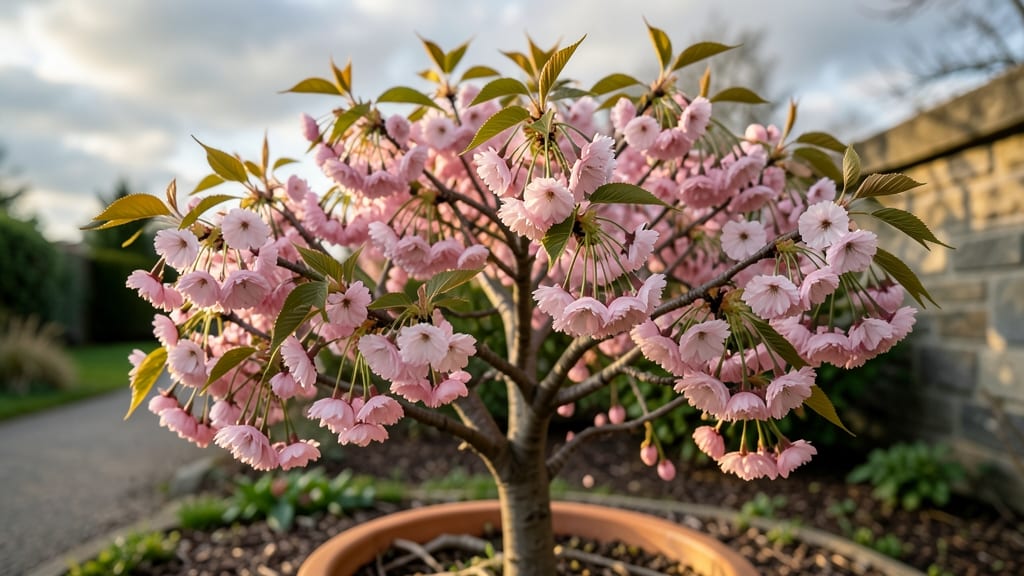
Flowering cherry tree roots grow aggressively, reaching 12–18 inches deep and spreading 3–5 feet wide in their first year to outcompete neighboring plants. Planting them too close to sidewalks, foundations, or other trees risks cracked pavement and drainage issues from their shallow, expansive lateral roots.
Understanding flowering cherry tree root behavior starts with their rapid early growth—these trees prioritize spreading horizontally to secure water and nutrients. 🌱 The shallow lateral roots (those spreading outward) are particularly aggressive, which is why they can lift concrete or disrupt irrigation systems if planted carelessly.
Sandy soils accelerate this spread, while clay can slow it down but may cause root congestion over time. Many gardeners underestimate how quickly these roots expand, leading to costly repairs when they encroach on hardscapes.
For long-term success, consider these root dynamics when choosing a planting spot. The first few years are critical for establishing the tree's dominance in its space—once mature, their root zones can extend even further, especially in nutrient-rich soil.
This is why landscape professionals recommend 15+ feet of clearance from buildings and driveways, even if the tree itself stays smaller.
💡 In This Article
- How Flowering Cherry Tree Root Systems Develop Over Time
- Safe Planting Distances for Flowering Cherry Trees Near Structures
How flowering cherry tree root systems develop over time
Flowering cherry trees develop a bipolar root system where the primary taproot anchors vertically while lateral roots fan out aggressively. Within the first year, those lateral roots spread 3–5 feet wide and penetrate 12–18 inches deep—a growth pattern driven by their need to access surface moisture and nutrients.
This shallow but expansive network is why they outcompete nearby plants, sometimes lifting lawns or cracking concrete if unchecked. 🌱
The growth rate accelerates in sandy soils (roots spread 20% faster) because nutrients leach quickly, forcing the tree to expand horizontally. In contrast, clay soils slow lateral growth but can cause root congestion, where roots grow in tight circles searching for oxygen.
Seasonally, roots expand most between spring and early fall, with 70% of annual growth occurring during these months when soil temperatures stay above 50°F.
By maturity (10–15 years), the root zone can extend 2–3 times the tree's canopy width—meaning a 20-foot-tall cherry might have roots spreading 40–60 feet in ideal conditions. This explains why many gardeners discover roots encroaching on patios or driveways years after planting.
The tree’s survival instinct prioritizes horizontal expansion over depth, which is why root barriers or mulch rings are critical for containment. 🌿
Here’s how soil type affects root behavior:
- Sandy soil: Roots spread 10–15 feet wide in first year but stay shallow (12 inches deep)
- Loamy soil: Balanced spread (5–7 feet wide) with moderate depth (18–24 inches)
- Clay soil: Slower lateral growth (3–5 feet wide) but deeper penetration (24–36 inches) due to compaction
Competition with nearby plants is fierce—cherry roots secrete allelopathic compounds that inhibit neighboring vegetation, creating a "no-man’s-land" of 5–10 feet around the tree where few plants thrive. This is why landscape designers often pair them with deep-rooted perennials (like coneflowers) that can tolerate root competition. 🌸
Understanding these patterns helps explain why pruning roots (even in mature trees) can stimulate regrowth—cutting lateral roots triggers the tree to send out new, aggressive shoots to reclaim lost territory.
This biological response is why root pruning should only be done in late winter, before the tree’s active growth phase begins. ⚡