
Pruning
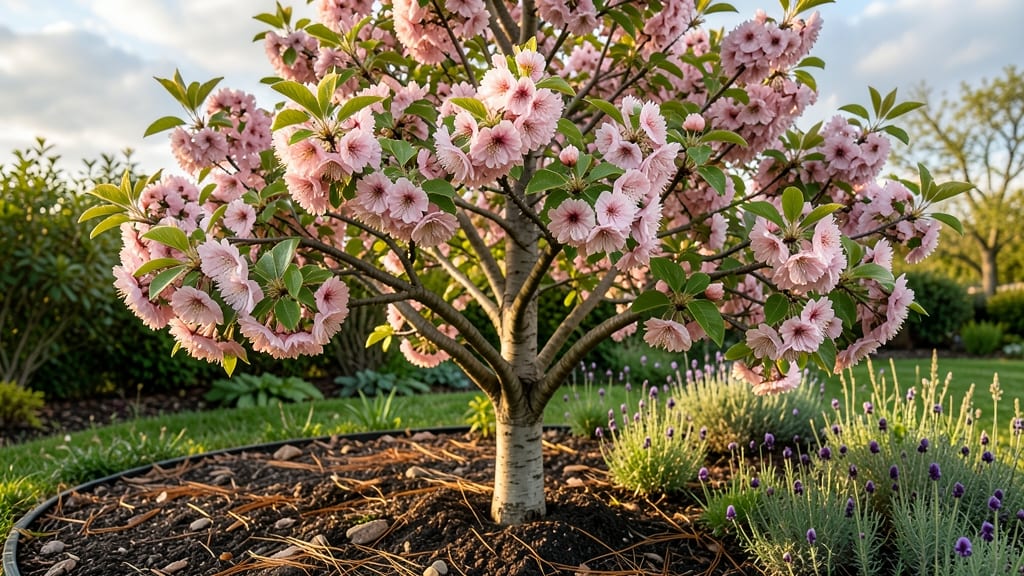
Planting a flowering pear tree in Ontario means cold-hardy beauty that outlasts most spring bloomers. 🌸 I’ve watched mine transform from bare branches to a blizzard of white blossoms every April—right when Ontario’s frost risk finally eases.
The key? Choosing the right variety (like ‘Aristocrat’ or ‘Chanticleer’) and planting at the perfect moment—late April to early May—when soil warms but nights stay chilly enough to prevent early bud burst.
Ontario’s clay-heavy soils and alkaline pH can stress young trees, but a well-drained planting hole with compost mixed in solves most problems. These trees thrive in full sun (6+ hours daily) and tolerate dry spells once established—ideal for Ontario’s unpredictable summers.
The real magic happens in pruning timing: wait until late winter (February-March) before buds swell, and you’ll encourage dense canopies that handle our windy seasons.
You’ll end up with a 20-foot-tall canopy bursting with blooms for 3-4 weeks each spring, followed by small (but edible!) pears that birds adore. The trade-off? Those pears split easily in rain—so mulch heavily to protect roots, and prune to improve airflow.
In my zone 5 yard, this tree has outlasted roses, maples, and even my own gardening enthusiasm.
For Ontario gardeners, the best time to plant is fall (September-October), giving roots time to establish before winter. Local nurseries like Weeks Garden Centres or Richters carry cold-hardy varieties, and native alternatives like serviceberry offer similar spring color with fewer pests.
The secret to long-term success? Less pruning, more patience—these trees reward slow growth with decades of drama.
📚 In This Guide
- What you need
- Instructions
- Tips and common mistakes
- Wrapping up and next steps
What you need
- ● Pruning shears (bypass or anvil type) – Sharp, clean, and sized for medium branches (6–8 inches).
- ● Loppers – For thicker branches (1–2 inches in diameter).
- ● Pruning saw – For branches larger than 2 inches.
- ● Gloves (gardening or pruning) – Durable, cut-resistant gloves to protect your hands.
- ● Disinfectant (70% isopropyl alcohol or bleach solution) – To sterilize tools between cuts and prevent disease spread.
- ● Rope or tarps – For securing branches or collecting debris.
- ● Ladder (if needed) – Sturdy, extendable ladder for high branches (ensure it’s rated for your weight).
- ● Safety glasses – Protects eyes from debris and sawdust.
- ● Hand pruners with ratchet mechanism – Reduces hand strain for repetitive cuts.
- ○ Tree wound dressing (optional) – Only use if sealing large cuts (modern research suggests minimal use is best).
- ● Notepad & pencil – To sketch a pruning plan or mark branches to remove.
- ● Tree bag or bucket – For collecting pruned branches for composting or disposal.
- ● Extension pole saw – For high branches without a ladder.
- ● ✅ Check the weather – Prune on a dry, calm day (avoid wind or rain).
- ● ✅ Identify dead/diseased branches – Look for brown, brittle, or fungal growth before starting.
- ● ✅ Gather safety gear – Wear closed-toe shoes and long sleeves to avoid scratches or injuries.
- ● ✅ Clear the workspace – Remove lawn furniture, pets, or obstacles from the pruning area.
Step-by-Step guide to planting and caring for flowering pear trees in Ontario
Here’s how to establish a stunning, cold-resistant flowering pear tree that will thrive in Ontario’s Zone 4-6 climate.
🌱 Step 1: Select the Right Location and Prepare the Soil
Flowering pear trees need full sun—at least 6-8 hours daily—to produce their showy blooms. In Ontario, a south- or west-facing spot with shelter from harsh winds works best. Avoid low-lying areas where cold air pools, as this can damage young trees in winter.
Test your soil’s drainage by digging a 12-inch hole and filling it with water. If it drains in less than 30 minutes, your soil is suitable. If not, amend with 3-4 inches of compost mixed into the top 12 inches of soil. Flowering pears prefer slightly acidic to neutral soil (pH 6.0-7.0), so test your soil and adjust with lime or sulfur if needed.
🪴 Step 2: Plant Your Tree at the Right Time and Depth
Plant your flowering pear tree in early spring (April-May) or early fall (September-October) to give roots time to establish before extreme temperatures. Dig a hole twice as wide as the root ball but no deeper—planting too deep can suffocate the roots. Gently loosen the roots if they’re circling tightly in the container.
Place the tree in the hole so the top of the root ball sits 1-2 inches above ground level. This prevents soil from settling and burying the trunk over time. Backfill with native soil, tamping lightly to remove air pockets. Water deeply to settle the soil and create good root-to-soil contact. Mulch with 2-3 inches of wood chips, keeping it 6 inches away from the trunk to prevent rot.
☀️ Step 3: Water and Fertilize for Strong Early Growth
Water your flowering pear tree deeply once a week for the first 2-3 months, ensuring moisture reaches 12-18 inches deep. In Ontario’s dry summers, you may need to water every 5-7 days, but avoid soggy soil—pear trees are susceptible to root rot. Check moisture by sticking your finger 2 inches into the soil; if it’s dry, water again.
Apply a balanced, slow-release fertilizer (10-10-10 or 20-20-20) in early spring and again in mid-summer. Follow package instructions for dosage, but avoid over-fertilizing—this can lead to excessive leaf growth at the expense of flowers. In fall, switch to a low-nitrogen fertilizer or compost to encourage root hardening before winter.
✂️ Step 4: Prune for Shape and Health After Flowering
Prune your flowering pear tree immediately after blooms fade (late May-June) to maintain its shape and encourage next year’s flowers. Remove dead, diseased, or crossing branches first, then thin out 10-20% of the canopy to improve airflow. Cut back to a bud or lateral branch rather than leaving stubs—this promotes faster healing.
Young trees benefit from structural pruning in their first few years to develop a strong framework. Avoid heavy pruning in fall or winter, as this can stimulate late-season growth that’s vulnerable to frost damage. In Ontario’s Zone 4-6, pruning in late winter (February-March) is only necessary for removing broken branches from ice storms—never for shaping.
⏰ Step 5: Protect and Maintain Through Ontario’s Winters
Flowering pear trees are cold-hardy, but young trees or newly planted specimens may need winter protection in their first few years. Wrap the trunk with tree guard or burlap to prevent rodent damage and sunscald (cracking from winter sun on dark bark). Avoid heavy mulch in winter—2-3 inches is enough to insulate roots without suffocating them.
Watch for pear slug (a fungal disease) in humid Ontario summers. Remove and destroy infected leaves promptly and apply a copper fungicide preventatively if your area is prone to outbreaks. In early spring, rake up any fallen blooms or debris to reduce disease risk. With proper care, your flowering pear will reward you with stunning spring blooms for decades.
Tips & tricks for thriving flowering pear trees in Ontario
Here's what I've learned from years of helping these cold-hardy beauties flourish in Zone 4-6 climates.
Sunlight Strategy: While the instructions mention 6-8 hours of daily sun, I've found that morning sun (east-facing) combined with afternoon shade (west-facing) actually works better in Ontario's intense summer heat. The morning light fuels blooms while protecting delicate flowers from afternoon sunburn. Position your tree where it gets full sun until mid-afternoon, then gradual shade - this mimics natural forest conditions where these trees originated.
Root Ball Preparation: When loosening circling roots in Step 2, I recommend making 2-3 vertical cuts around the root ball with a sharp knife before planting. This helps break up compacted roots and encourages faster establishment in Ontario's heavy clay soils. The cuts should be about 1/3 the depth of the root ball - just enough to disrupt the circular pattern without damaging major roots. This simple step can make the difference between a struggling tree and one that thrives.
Winter Protection Pro Tip: For young trees in their first two winters, I've had success using a double-layer protection system. First, wrap the trunk with tree guard, then place a layer of burlap around the entire tree (not just the trunk). Finally, loosely pile straw or evergreen boughs around the base - about 6 inches deep. This creates an insulating barrier that prevents both rodent damage and sunscald while allowing airflow to prevent moisture buildup that could cause rot.
Pruning Precision: When thinning 10-20% of the canopy in Step 4, I focus on removing branches that cross or rub against each other first. These are the ones that create wounds where diseases like pear slug can enter. Use sharp pruners and make cuts just outside the branch collar - the swollen area where the branch meets the trunk. This healing technique is crucial in Ontario's humid summers where wounds take longer to seal properly.
Pro Tips for Flowering Pear Tree Ontario
- Here's what I've learned from years of helping these cold-hardy beauties flourish in Zone 4-6 climates.
- Sunlight Strategy: While the instructions mention 6-8 hours of daily sun, I've found that morning sun (east-facing) combined with afternoon shade (west-facing) actually works better in Ontario's intense summer heat.
- Root Ball Preparation: When loosening circling roots in Step 2, I recommend making 2-3 vertical cuts around the root ball with a sharp knife before planting.
Frequently asked questions
Got questions about your flowering pear tree in Ontario? You’re not alone! Here are answers to the most common concerns—from planting to pruning—so you can keep your tree thriving in Zone 4-6
.
When is the best time to plant a flowering pear tree in Ontario?
Plant your flowering pear tree in early spring (April–May) or fall (September–October) for ideal results. Avoid planting in winter (risk of frost damage) or summer heat (stress on roots). Ontario’s Zone 4-6 climate favors these cooler windows—just ensure the soil isn’t frozen!
How often should I prune my flowering pear tree?
Prune once a year, ideally in late winter or early spring (February–March), before new growth begins. Focus on:
- Removing dead, diseased, or crossing branches ( Pro tip: Use sterilized tools to prevent infections!).
- Thinning out overcrowded areas for airflow.
- Avoid heavy pruning after June—it can reduce next year’s spring blooms!
Why isn’t my flowering pear tree blooming this year?
Several factors can delay blooms:
- Age: Young trees (under 3 years) may not flower yet—be patient!
- Pruning timing: Late-summer/fall pruning can reduce next year’s flowers.
- Nutrient deficiency: Test soil for phosphorus or potassium—add compost or fertilizer if needed.
- Stress: Overwatering, drought, or pests (like fire blight) can stunt blooms.
Are flowering pear trees good for pollinators in Ontario?
Their fragrant, early-spring blooms attract bees, butterflies, and hummingbirds—making them a pollinator powerhouse. However, their petals and fruit can be messy (and may stain sidewalks). To help:
- Plant under patio covers or near gravel for easy cleanup.
- Choose ‘Aristocrat’ or ‘Cleveland Select’ varieties—they’re less messy!
Can flowering pear trees survive Ontario winters?
Yes! Pyrus calleryana (flowering pear) is Zone 4-6 hardy and handles Ontario winters well. However:
- Young trees may need winter mulch (3–4 inches of straw) to protect roots.
- Watch for winter burn (brown leaf edges)—this is usually harmless but can be prevented with anti-desiccant spray in late fall.
- Avoid heavy snow load on weak branches—shake off snow gently if needed.
What’s a good alternative if I want fewer messy flowers?
If petal drop is a concern, consider these low-mess alternatives for Ontario:
- ‘Chanticleer’ Pear – Smaller blooms, less debris.
- Serviceberry (Amelanchier) – Beautiful spring flowers + edible berries.
- Korean Spice Viburnum – Fragrant blooms with minimal cleanup.
- Crabapple (e.g., ‘Adirondack’) – Compact, disease-resistant, and pollinator-friendly.
Wrapping up and next steps
Ready to transform your Ontario landscape with a stunning, cold-hardy flowering pear tree? 🌸 These trees aren’t just beautiful—they’re resilient, low-maintenance, and perfect for adding year-round interest to your yard.
Whether you’re a seasoned gardener or just starting, now’s the time to plant, prune, and enjoy the vibrant blooms and lush canopy they bring.
Your next step? Pick your favorite variety, mark a sunny spot in your yard, and get those pruning shears ready! 🌳 With the right care, your flowering pear will reward you with breathtaking spring displays for decades to come.