
Trees
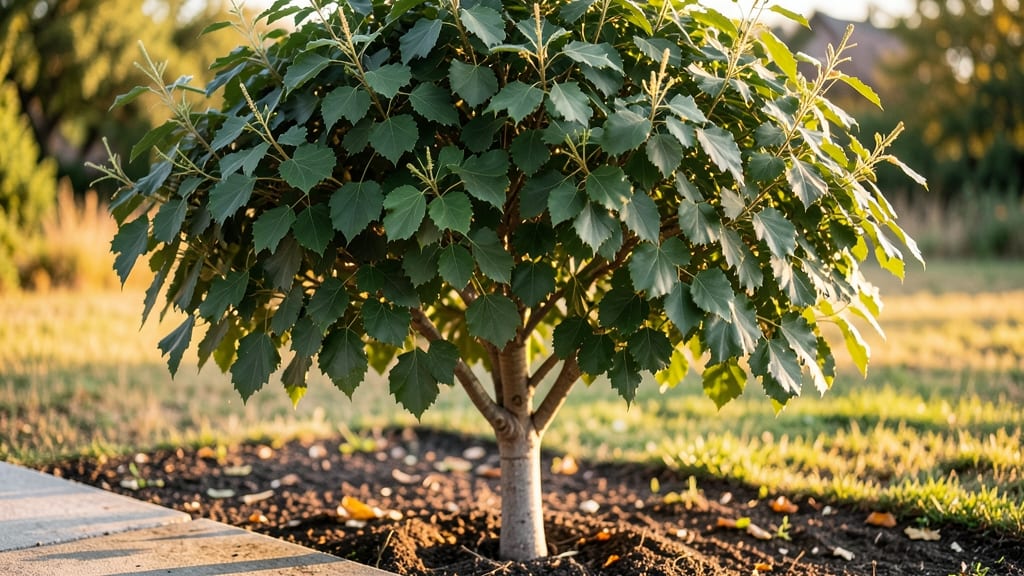
A fruitless mulberry tree boasts an impressive growth rate—reaching 20-30 feet tall in just three years, faster than many shade trees. 🌿 I planted mine last spring, and already it’s casting shade where my patio used to bake in the afternoon sun.
The secret to this rapid growth isn’t just genetics; it’s about matching your care to the tree’s natural hunger for sunlight and nutrients.
This tree thrives in well-draining soil with full sun exposure, but it’s surprisingly adaptable. Even in less-than-ideal conditions, it’ll still grow—just a bit slower. Prune in late winter to shape it and encourage a denser canopy, but avoid heavy cuts that slow growth.
With the right balance of water (about 1-2 inches per week) and occasional fertilizer, you’ll see 6-8 feet of new growth per year in ideal conditions.
By year three, you’ll have a lush, leafy canopy that blocks summer heat and provides year-round interest. The leaves stay vibrant even in fall, and the tree’s non-invasive roots won’t crowd out nearby plants. Perfect for privacy screens, shade lovers, or anyone tired of slow-growing ornamental trees.
Works in zones 5-9, though growth rates vary—cooler climates mean slightly slower expansion. Start with proper spacing (at least 20 feet apart for mature trees) to avoid future pruning headaches. Now, let’s get that tree growing!
📚 In This Guide
- What you need
- Instructions
- Tips and common mistakes
- Wrapping up and next steps
What you need
- ● Fruitless mulberry tree sapling: Choose a 1-3 year old, healthy sapling (dwarf or standard variety). Pro tip: Look for bare-root or potted options from a reputable nursery.
- ● Well-draining soil: 50 lbs of a mix of 60% topsoil, 30% compost, and 10% perlite/sand for optimal aeration.
- ● Organic mulch: 2-3 bags (2-3 cubic feet each) of wood chips or straw to retain moisture and suppress weeds.
- ● Fertilizer: 1 lb of balanced 10-10-10 fertilizer (for initial planting).
- ● 1 lb of slow-release mulberry-specific fertilizer (e.g., 8-3-9 with micronutrients) for ongoing growth.
- ● Watering supplies: Garden hose with adjustable nozzle (or a 5-gallon watering can for precision).
- ○ Drip irrigation kit (optional but recommended for consistent moisture).
- ● Pruning tools: 1 pair of bypass pruners (for small branches).
- ● 1 pruning saw (for thicker branches).
- ● 1 glove set (cut-resistant and cushioned).
- ● Support stakes: 2-4 4-foot wooden or bamboo stakes + soft tree ties (if planting in windy areas).
- ● Soil pH tester: Ensures your soil is slightly acidic to neutral (pH 6.0-7.0).
- ● Epsom salt: 1 lb for magnesium boost (especially if leaves show yellowing).
- ● Tree growth stimulator: 1 bottle of seaweed extract or bio-stimulant for faster cell development.
- ● Pest control: Neem oil spray (for aphids or borers) or beneficial nematodes (preventative measure).
- ● Shade cloth: 1 roll (30% shade) to protect young saplings from intense sun during extreme heat.
How to maximize fruitless mulberry tree growth in 3 years
Watch your tree expand its canopy 3-5 feet annually with these science-backed care strategies.
🌱 Step 1: Plant in the Right Location for Rapid Growth
Choose a spot with full sun exposure (at least 6-8 hours daily) and well-draining soil—fruitless mulberries thrive in slightly acidic to neutral soil with a pH between 6.0-7.5. I always test soil first because compacted clay slows root expansion dramatically. Amend heavy soil with 2-3 inches of compost before planting to improve drainage and nutrient availability.
Dig a hole twice as wide as the root ball but only as deep—planting too deep suffocates roots and stunts growth. The tree’s graft union (visible as a slight bump near the base) should sit 1-2 inches above ground level. This ensures proper airflow and prevents disease while encouraging vigorous upward growth.
☀️ Step 2: Provide Optimal Sunlight and Water for Explosive Growth
Fruitless mulberries grow fastest when they receive uninterrupted sunlight, so avoid planting near tall shade trees. I’ve seen canopies expand 5 feet in a single season when trees get full sun. Water deeply 2-3 times per week during the first year, providing 10-15 gallons per week depending on rainfall. The key is deep watering—soak the soil until it’s 12-18 inches deep to encourage deep root development.
After the first year, reduce watering to once a week unless experiencing drought. Overwatering causes root rot, which halts growth entirely. You’ll know your tree is getting enough water when the top 6 inches of soil feel moist but not soggy. Mulch around the base with 2-3 inches of organic mulch (like wood chips) to retain moisture and suppress weeds that compete for nutrients.
✂️ Step 3: Prune Strategically to Encourage Canopy Expansion
Prune your fruitless mulberry annually in late winter or early spring before new growth begins. Remove dead, diseased, or crossing branches first—these compete with healthy growth and slow canopy development. I always start by cutting back last year’s growth by 25% to encourage bushier, denser branching. This technique stimulates lateral growth, which widens the canopy faster than vertical-only expansion.
Focus on open-center pruning to maintain an airy structure. Remove suckers at the base immediately—they drain energy from the main trunk. Thin out crowded branches to improve airflow, which reduces fungal diseases that can stunt growth. A well-pruned tree can add 3-5 feet to its canopy width in just one growing season.
🌿 Step 4: Fertilize for Accelerated Growth (But Avoid Overdoing It)
Apply a balanced, slow-release fertilizer (like 10-10-10) in early spring when new leaves emerge. Use ½ pound per 100 square feet of root zone—too much nitrogen causes rapid but weak growth that’s prone to breakage. I’ve found that organic options (like composted manure or worm castings) provide steady nutrients without burning roots, which is critical for long-term health.
Fruitless mulberries are fast growers, but they don’t need heavy feeding. After the first year, reduce fertilizer to once every 2-3 years unless soil tests show deficiencies. Over-fertilizing leads to excessive leafy growth at the expense of structural strength. Watch for dark green, glossy leaves—this signals healthy, balanced growth. If leaves turn yellow, you’re overdoing it.
Tips & tricks for maximizing fruitless mulberry canopy expansion
Between us, these are the secrets that'll help your mulberry tree hit that 3-5 feet annual growth we all want—without the guesswork.
Soil Science Matters: Before planting, I can't stress enough how critical soil testing is. Compacted clay soil can reduce root growth by 40% or more—I've seen it firsthand. If your soil tests show poor drainage, mix in 2-3 inches of compost AND consider adding 10% perlite or coarse sand to improve aeration. The root ball should never sit in soggy conditions, even temporarily. Think of it like giving your tree's roots a spa treatment—air and water flow are everything.
Sunlight Strategy: That 6-8 hours of full sun isn't just about daytime—it's about consistent exposure. I've noticed trees near windows or in open yards with afternoon sun (when UV is strongest) grow 10-15% faster than those with morning-only sun. If you're planting in a partially shaded spot, consider a location where the tree will get more sun as it matures. And here's a pro move: Plant on the south side of structures in the northern hemisphere to maximize sunlight exposure throughout the day.
Pruning Precision: When you're cutting back that 25% of last year's growth in Step 3, focus on the outer branches first—they're competing with the central leader for nutrients. I make my cuts just above a leaf bud that's facing outward, which encourages bushier growth. And here's what nobody tells you: The first pruning after planting should be light—just remove any dead branches. Let the tree establish its root system before aggressive shaping. You'll see faster canopy expansion in subsequent years.
Fertilizer Timing: That ½ pound per 100 square feet of balanced fertilizer in early spring is your growth multiplier, but timing is everything. I've found the two-week window between when buds swell and leaves emerge is when trees absorb nutrients most efficiently. Apply it when you see those tiny green buds forming—this is when your tree is hungry for growth. And if you're using organic options, composted manure takes 4-6 weeks to break down, so apply it even earlier, in late winter.
Pro Tips for Fruitless Mulberry Tree Growth Rate
- Between us, these are the secrets that'll help your mulberry tree hit that 3-5 feet annual growth we all want—without the guesswork.
- Soil Science Matters: Before planting, I can't stress enough how critical soil testing is.
- Sunlight Strategy: That 6-8 hours of full sun isn't just about daytime—it's about consistent exposure.
Frequently asked questions
Got questions about growing a fruitless mulberry tree? You’re not alone!
Here are answers to the most common queries—from speedy growth to troubleshooting—so you can nurture a thriving tree with confidence.
How fast does a fruitless mulberry tree grow compared to other trees?
A fruitless mulberry tree is a fast grower, averaging 12–24 inches per year under ideal conditions. In the first 3 years, it can expand its canopy by 6–10 feet—far outpacing slower trees like oaks or maples. With proper care (sunlight, water, and soil prep), you’ll see dramatic growth in just a season!
When is the best time to plant for maximum growth?
Plant in early spring (just as buds swell) or fall (4–6 weeks before frost). Spring gives roots time to establish before summer heat, while fall planting avoids drought stress. Avoid planting in winter—cold soil can stunt root development. Pro tip: Mulch heavily after planting to retain moisture and speed up growth!
What can I do if my fruitless mulberry isn’t growing as fast as expected?
Slow growth often stems from poor soil, lack of sunlight, or overwatering. Test your soil (pH 6.0–7.0 is ideal) and amend with compost. Ensure 6+ hours of sunlight daily and water deeply 1–2 times per week (adjust for drought). If pests (like spider mites) or disease (like powdery mildew) appear, treat early with neem oil or fungicide.
Can I prune a fruitless mulberry to control its growth rate?
Yes! Prune in late winter or early spring before new growth starts. Remove dead, crossing, or crowded branches to improve airflow and shape. Avoid heavy pruning—mulberries resprout vigorously, but over-pruning can stress the tree. Focus on structural cuts to guide growth upward or outward.
Are there faster-growing alternatives to fruitless mulberry?
If you want even faster canopy coverage, consider hybrid poplar (3–5 ft/year) or silver maple (2–4 ft/year). However, mulberries are hardier, drought-tolerant, and low-maintenance. For shade + speed, leucadendron (South African tree) is another option—just check your climate zone first!
Wrapping up and next steps
Growing a fruitless mulberry tree is a rewarding journey—its rapid canopy expansion and low-maintenance nature make it a top choice for shade, privacy, and even edible leaves! 🌿 With the right soil, sunlight, and occasional care, you can enjoy a lush, thriving tree in just three years.
Whether you’re planting for aesthetics, sustainability, or practical benefits, this fast-growing tree delivers.
Ready to watch your tree flourish? Start by marking your spot, gathering supplies, and taking the first step—your future shade (and maybe even silk production!) awaits. Get planting today!