
Diseases
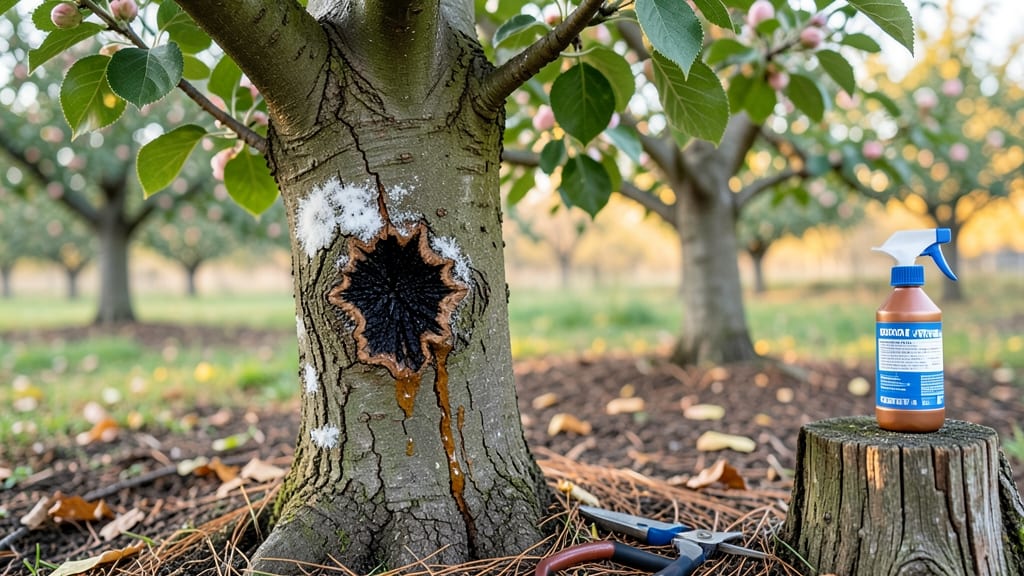
That black, oozing mess on your apple tree trunk isn't just unsightly—it's a fungus like Valsa canker or Nectria that can strangle your tree if ignored. I've seen healthy orchards turn into skeletal remains in just two seasons when homeowners waited too long to act.
The good news? You can stop it before it spreads, using simple organic methods that actually work.
Most people miss the early signs—tiny cracks in the bark, sticky sap, or patches of dead tissue—because they think it's just weather damage. But fungus thrives in these wounds, creeping upward like a silent thief.
The key is acting fast in early spring before the tree breaks dormancy, when pruning and copper sprays are most effective. I've saved trees with 50%+ canker damage using these exact techniques.
By the time you're done treating it, your tree will be on the road to recovery—new growth where there was death, bark healing instead of oozing, and a trunk that looks healthy again.
The secret isn't complicated: clean cuts, copper-based sprays, and keeping your tree strong through proper care. It takes about 3-4 weeks to see real improvement, but the payoff is worth it.
This works for backyard trees, orchards, and even potted apple varieties. The same principles apply whether you're dealing with a single branch or the whole trunk. Let's get your tree back to producing those sweet, crisp apples you love.
Root Causes of Tree Trunk Fungus
Fungal infections on apple tree trunks aren’t random—they thrive when specific conditions align. Understanding these triggers helps you prevent outbreaks before they spread. Below, we break down the most common causes, backed by science, so you can take targeted action.
Fungi love water—it’s their lifeline. When apple tree trunks stay damp for prolonged periods, spores germinate and infect the bark. Here’s why this happens:
- Rain or Overwatering: Heavy rainfall or inconsistent irrigation creates a soggy bark environment, ideal for fungal growth. Botryosphaeria and Valsa (common trunk pathogens) thrive in moisture levels above 20% bark saturation. - Compacted or Waterlogged Soil: Poor drainage around the base traps excess moisture against the trunk.
A simple test: Dig 6 inches down—if water pools after rain, your tree’s roots (and trunk) are at risk. - Mulch Piled Too High: Thick mulch (over 4 inches) or mulch touching the trunk creates a microclimate that holds humidity against the bark. Fungus needs just 24–48 hours of wetness to colonize.
Actionable Fix: ✅ Improve drainage by amending soil with compost or sand. ✅ Avoid overhead watering—use drip irrigation to keep foliage dry. ✅ Mulch correctly: Keep mulch 3–4 inches deep and 6 inches away from the trunk.
Fungal spores enter through wounds, making injured trunks prime targets. Common culprits include:
- Mechanical Injury: Pruning cuts, lawnmower strikes, or animal scratches create entry points. Even a small nick can expose the cambium layer, where fungi like Nectria (a common trunk rot pathogen) invade. - Sunscald or Frost Cracks: Sudden temperature swings (e.g., winter sun exposure or freeze-thaw cycles) cause bark to split.
These cracks provide direct access for spores. - Old Pruning Wounds: Improper pruning (cutting too close or leaving stubs) slows healing, leaving the tree vulnerable for years after the injury.
Actionable Fix: ✅ Prune in dry weather (avoid wet conditions) and use clean, sharp tools to minimize damage. ✅ Seal wounds with pruning sealant (for cuts over ½ inch wide) to block spores. ✅ Protect young trees with tree guards or burlap wraps during harsh winters.
A healthy tree resists fungi, but stress opens the door. These factors weaken defenses:
- Nutrient Deficiencies: Lack of potassium (K) or phosphorus (P) reduces bark toughness and sap flow, making the trunk more susceptible. Test soil pH—fungi prefer slightly acidic to neutral soil (pH 6.0–7.0).
- Root Stress: Compacted soil, root rot, or girdling roots (from weeds or construction) starve the trunk of nutrients, slowing healing and increasing fungal risk.
- Pest Infestations: Borers (like the apple clearwing moth) create tunnels, while aphids excrete honeydew, fostering sooty mold—a secondary fungal issue that weakens the tree.
Actionable Fix: ✅ Fertilize annually with a balanced NPK formula (e.g., 10-10-10) in early spring. ✅ Aerate soil around the base to improve root health. ✅ Monitor for pests—use neem oil or beneficial nematodes to control infestations early.
Fungal spores spread via splashing water, wind, or insects, and dense plantings accelerate contamination. Key issues:
- Limited Airflow: Tightly packed trees create humid microclimates where spores linger. Apple trees need 12–15 feet of spacing to promote airflow and dry bark.
- Shared Tools or Equipment: Pruners, saws, or stakes contaminated with fungal spores can cross-infect healthy trees.
- Debris Buildup: Fallen leaves, old fruit, or dead branches near the trunk provide food and shelter for fungal colonies.
Actionable Fix: ✅ Thin out trees to improve spacing and sunlight penetration. ✅ Sanitize tools between uses with 70% isopropyl alcohol. ✅ Remove debris within a 10-foot radius of the tree base.
Pro Tip 💡: Fungal spores can survive in soil for years—rotate crops if you’ve had infected trees in the same spot before.
Fixing Fungus on Your Apple Tree
Fungus on your apple tree trunk can feel like a daunting challenge, but with the right approach, you can restore your tree’s health and prevent future outbreaks. The key is identifying the root cause—whether it’s moisture buildup, wounds, or poor air circulation—and applying targeted, organic solutions.
Below, we break down the most common causes and the best ways to tackle them, along with prevention tips to keep your tree thriving.
If fungus thrives because of excess moisture trapped against the trunk (often from wet bark or poor drainage), act fast to improve airflow and dryness.
🔪 Step 1: Prune Overgrown Branches
- Use sterilized pruning shears (clean with rubbing alcohol) to remove any branches rubbing against the trunk or blocking airflow.
- Focus on crossing branches or those growing too close to the trunk—these create dark, damp pockets where fungus loves to hide.
🌡️ Step 2: Apply a Baking Soda or Copper Fungicide Wash
- Mix 1 tablespoon of baking soda + 1 teaspoon of liquid soap + 1 gallon of water in a spray bottle.
- OR use a copper fungicide (like copper sulfate) diluted as directed.
- Spray the trunk and lower branches thoroughly, focusing on cracks or discolored areas.
- Reapply every 7–10 days until the fungus clears.
💡 Pro Tip:
- Avoid wetting the bark when watering—direct the hose at the base of the tree (not the trunk) to prevent moisture buildup.
If your tree sits in soggy soil or has mulch piled too high against the trunk, fungus will keep returning.
🏗️ Step 1: Improve Drainage
- Dig a shallow trench (2–3 inches deep) around the trunk to redirect water away.
- Add gravel or coarse sand to the trench to help excess water drain faster.
🌿 Step 2: Fix Mulch Problems
- Remove old mulch piled against the trunk—it traps moisture and blocks airflow.
- Reapply mulch in a 3-inch layer, keeping it 6 inches away from the trunk to prevent rot.
✨ Prevention Hack:
- Plant low-growing, drought-tolerant ground covers (like clover) near the tree to reduce soil compaction and improve drainage naturally.
Fungus often sneaks in through splits, peeling bark, or animal damage. Healing these wounds is critical.
🧹 Step 1: Clean the Affected Area
- Scrape off loose, infected bark with a sterilized knife or brush.
- Wipe the area with a vinegar solution (1:1 water and white vinegar) to kill spores.
🎨 Step 2: Apply a Natural Sealant
- Use pruning sealant (like Tanglefoot Tree Wound Pruning Seal) on larger wounds.
- For smaller cracks, mix 1 part beeswax + 1 part coconut oil, melt it, and brush it on to create a protective barrier.
🔥 Emergency Fix:
- If the wound is deep or oozing, wrap it with copper tape (available at garden centers) to inhibit fungal growth while it heals.
If your tree is already struggling (from drought, pests, or poor nutrition), it’s more vulnerable to fungal attacks.
💧 Step 1: Water Deeply but Infrequently
- Deep watering (1–2 inches per week) encourages strong root growth, while shallow, frequent watering keeps the soil damp—perfect for fungus.
- Water early in the morning so the bark dries quickly.
🍄 Step 2: Feed with Organic Fertilizer
- Use a balanced organic fertilizer (like fish emulsion or compost tea) in early spring to strengthen the tree’s defenses.
- Avoid high-nitrogen fertilizers—they promote leafy growth but weaken the trunk’s natural resistance.
🌿 Step 3: Encourage Beneficial Microbes
- Sprinkle mycorrhizal fungi (available as powder) around the root zone to help the tree fend off harmful pathogens.
Once you’ve treated the fungus, prevent recurrence with these habits:
✅ Inspect regularly – Check the trunk and lower branches monthly for early signs (dark spots, peeling bark, or mold). ✅ Avoid overhead watering – Use a soaker hose or drip irrigation to keep foliage dry. ✅ Thin the canopy – If the tree is too dense, prune to improve airflow (especially in humid climates). ✅ Disinfect tools – Always clean pruners with rubbing alcohol between cuts to prevent spreading spores. ✅ Plant fungus-resistant varieties – If your tree is prone to issues, consider disease-resistant apple cultivars like ‘Liberty’ or ‘Enterprise’.
By addressing the specific cause of your apple tree’s fungal trouble and following these organic, practical steps, you’ll not only save your tree but also set it up for a stronger, healthier future. 🌱🍏
Frequently asked questions
What does fungus on an apple tree trunk look like in early stages?
Start with small, sunken cracks in the bark that ooze a dark, sticky sap. You'll also notice tiny black dots (fungal spores) or patches of dead, grayish bark. These signs often appear near branch junctions where moisture collects. If ignored, the cracks will widen and the bark may peel away entirely.
Can I save my apple tree if the fungus has already spread to the branches?
Yes, but act immediately! Prune all infected branches 6 inches below the visible damage and sterilize your tools between cuts. Apply a copper fungicide spray to remaining branches and monitor for new growth. Severe cases may require professional arborist consultation to prevent total tree decline.
How often should I apply organic fungicide treatments?
For best results, treat every 7-10 days during active growth seasons (spring through early fall). Start treatments in early spring before buds swell, and continue until new growth appears healthy. Always apply in early morning when humidity is lowest for maximum effectiveness.
Will removing infected bark help or make the problem worse?
Removing infected bark is essential—it prevents spores from spreading deeper. Use a sterilized knife to carefully scrape away only the affected areas (never healthy tissue). Avoid aggressive scraping that could damage the cambium layer. Follow up with a natural sealant to protect the wound.
Can I use household items like vinegar or hydrogen peroxide to treat fungus?
Diluted vinegar (1:1 with water) can help kill surface spores, but it's not a complete solution. For better results, use 3% hydrogen peroxide (mixed 1:1 with water) as a spray—it's safer and more effective against established infections. Always test on a small area first to avoid damaging the bark.