
Pests and Diseases
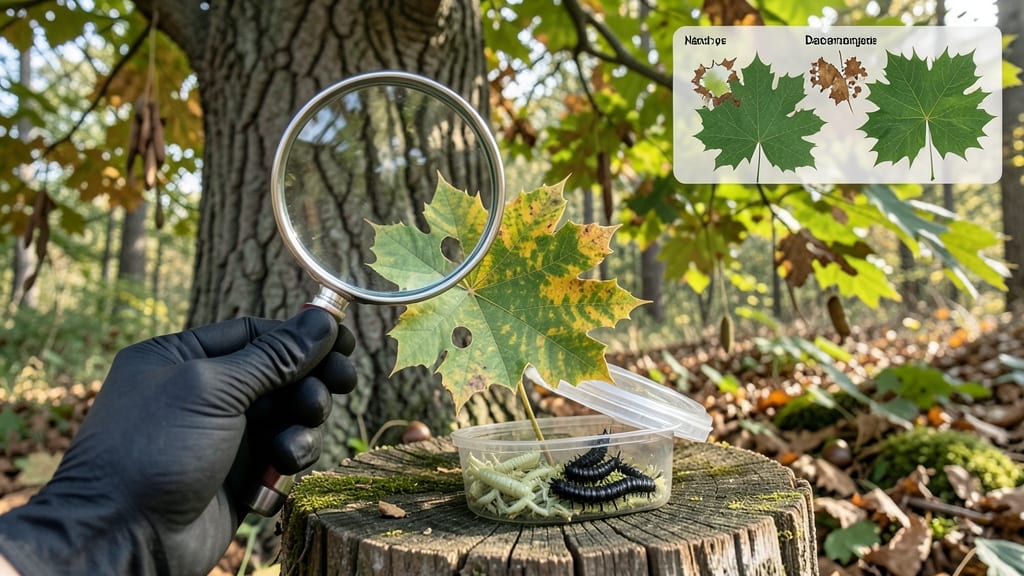
Seeing holes in tree leaves can feel like a panic attack for any gardener—especially when you’re staring at your prized shade tree or fruit-bearing favorite. 🌳 The good news?
Most cases aren’t a death sentence, just a sign your tree is under siege from hungry pests or struggling with environmental stress. I’ve saved more trees than I’ve lost by acting fast, and the fixes often take less than an hour to implement.
Caterpillars, beetles, and even fungal diseases like anthracnose are the usual suspects, but don’t rule out environmental factors like drought stress or nutrient deficiencies. The key is identifying the damage: ragged edges usually mean insects, while tiny specks suggest mites or fungal spores.
Once you spot the pattern, you’re halfway to a solution—whether it’s a simple spray, pruning, or a soil boost to strengthen your tree’s defenses.
You’ll be able to stop the damage within days, and with the right approach, your tree can bounce back stronger than ever. Think lush, hole-free foliage by summer—no more wilting shame when neighbors ask about your "brown thumb."
The secret? Acting before the pests move on to easier targets (like your roses).
Works for shade trees, fruit trees, and even ornamental favorites. Let’s get your tree back to its full glory—naturally and sustainably. Here’s how to diagnose and fix it fast.
Root Causes Of Leaf Damage
When you spot unexpected holes in tree leaves, it’s usually a sign that something—or someone—is actively feeding on them. Understanding the why behind this damage is the first step to fixing it.
Below, we break down the most common culprits, from tiny insects to fungal invaders, and explain how they create those telltale gaps in foliage.
Most leaf holes are the work of insects with a taste for plant tissue. These pests don’t just nibble—they devour leaves, leaving behind jagged edges, skeletonized patterns, or even entire missing chunks. Here’s who’s likely responsible:
🐛 Caterpillars & Moth Larvae
Caterpillars (the larval stage of butterflies and moths) are infamous for their voracious appetites. They chew through leaves, often leaving behind:
- Irregular holes with smooth edges (they use their mandibles like scissors).
- Fecal droppings (frass) near the damage.
- Silken webs or rolled leaves (some species, like tent caterpillars, create protective shelters).
💡 Pro Tip: Check the underside of leaves—many caterpillars hide there during the day. Look for green or brown grubs with striped patterns.
🦟 Leafcutter & Tent-Forming Ants
While not insects that eat leaves directly, some ants (like Atta species) farm fungi by cutting leaf pieces to feed their underground gardens. Signs include:
- Precision-cut semi-circles or rectangular holes.
- Trails of ants carrying leaf fragments back to their nests.
🌡️ Warning: These ants can defoliate trees quickly if left unchecked, especially in tropical or subtropical climates.
🐞 Beetles & Weevils
Adult beetles and their larvae target leaves, stems, and even bark. Common offenders include:
- Japanese beetles: Create skeletonized leaves (veins remain intact).
- Colorado potato beetles: Chew large, irregular holes in leaves.
- Root weevils: Larvae feed on roots, while adults chew notches along leaf edges.
🎯 Spotlight: Japanese beetles are highly aggressive—they’ll strip a tree bare in days if populations aren’t controlled.
Not all leaf holes come from chewing pests. Pathogens like fungi and bacteria can weaken leaves, making them susceptible to tearing or developing shot-hole symptoms. Here’s how:
🍃 Shot Hole Fungus (e.g., Corynespora, Mycosphaerella)
This group of fungi causes distinctive circular or angular holes with:
- Dark, dead tissue around the edges (necrotic spots).
- No frass or webbing (unlike insect damage).
- Premature leaf drop if severe.
🔥 Science Note: The fungus invades through stomata (leaf pores) or wounds, then kills plant cells in a circular pattern, causing the tissue to fall out.
🦠 Bacterial Leaf Spot Diseases
Bacteria like Xanthomonas or Pseudomonas create water-soaked spots that eventually crust over and drop out, leaving holes. Look for:
- Yellow halos around damaged areas.
- Oozing bacterial slime (especially in humid conditions).
- Rapid spread if leaves stay wet.
✨ Prevention Tip: Prune infected leaves immediately and avoid overhead watering to reduce bacterial spread.
Sometimes, holes in leaves aren’t caused by living organisms at all. Mechanical stress or extreme weather can mimic pest damage:
💨 Wind, Hail, or Heavy Rain
Storms can tear leaves, creating:
- Ragged, uneven holes (unlike the clean cuts of insects).
- Bruising or discoloration around damaged areas.
- No frass, webbing, or signs of pests.
🌡️ Reality Check: If damage appears suddenly and uniformly across many trees, weather is the likely culprit.
🐾 Animal & Human Activity
Deer, rabbits, or even lawn equipment can accidentally damage leaves. Look for:
- Large, irregular tears (not precise holes).
- No signs of feeding (e.g., no frass or chew marks).
🔪 Caution: String trimmers or mowers can shred foliage—keep equipment at a safe distance from trees.
Now that you know who’s behind the damage, the next step is identifying the specific pest or disease—and then acting fast to protect your tree. Stay tuned for our diagnostic guide and treatment options in the following sections!
Quick Fixes for Leaf Damage
Now that you know what’s causing those pesky holes in your tree leaves, let’s tackle the problem head-on with practical, step-by-step solutions. Whether it’s chewing insects, fungal infections, or environmental stressors, each issue has a targeted fix to restore your tree’s health.
Below, we’ve mapped out the best approaches for common causes—plus prevention tips to keep your foliage hole-free for good.
If tiny holes, ragged edges, or skeletonized leaves are the culprit, insects are likely the troublemakers. Here’s how to evict them for good:
🔥 Identify the Pest First
Before acting, confirm who’s munching on your leaves:
- Caterpillars or sawflies? Look for fuzzy bodies or silken webs.
- Beetles or Japanese beetles? Check for shiny, oval-shaped bugs.
- Aphids or mites? Tiny clusters on undersides of leaves or fine webbing.
- Slugs or snails? Glossy trails and larger, irregular holes.
🍳 Handpick or Trap the Invaders
For small infestations:
- 👨🍳 Handpick caterpillars or beetles early in the morning when they’re sluggish. Drop them in soapy water.
- 🥘 Use sticky traps (like Tanglefoot) around tree trunks to catch crawling pests.
🔪 Chemical-Free Sprays For organic control:
- Neem oil spray (🌿): Mix 1 tbsp neem oil + 1 tsp mild soap + 1 quart water. Spray leaves thoroughly every 5–7 days. Works on aphids, mites, and young caterpillars.
- Bacillus thuringiensis (Bt) (🦋): A natural bacteria that targets caterpillars.
Mix with water and spray at dusk. - Kaolin clay (🏺): Creates a barrier that repels beetles and other chewers. Reapply after rain.
⏰ Timing Is Key
- Early intervention is critical. Treat as soon as you spot damage.
- Repeat applications may be needed, especially for fast-reproducing pests like aphids.
💡 Pro Tip: Prune and destroy heavily infested leaves to reduce pest populations.
If holes appear alongside yellowing, spots, or powdery residue, a fungal infection might be to blame. Here’s how to treat and prevent it:
🌡️ Prune and Remove Infected Areas
- ✂️ Cut off and dispose of (don’t compost!) leaves or branches with holes, spots, or mold.
- 🌿 Thin out dense foliage to improve airflow—fungi thrive in humid, crowded spaces.
🎯 Fungicidal Sprays For organic or chemical options:
- Copper fungicide (💧): Effective against anthracnose, leaf spot, and other fungal diseases. Follow label instructions.
- Baking soda spray (🍞): Mix 1 tbsp baking soda + 1 tsp soap + 1 gallon water.
Spray every 7–10 days. Prevents powdery mildew. - Commercial fungicides (🧪): Like Myclobutanil or Propiconazole for severe cases. Rotate types to avoid resistance.
🌧️ Adjust Watering Habits
- Water at the base (not overhead) to keep leaves dry.
- Water early in the day so foliage has time to dry before nighttime humidity sets in.
✨ Prevention Tip: Space out trees properly and avoid overhead irrigation to minimize fungal risks.
If holes appear alongside wilting, discoloration, or stunted growth, environmental factors could be weakening your tree. Boost its resilience with these fixes:
💪 Improve Soil Health
- 🌱 Test soil pH and amend with compost or organic matter if too alkaline or acidic.
- 🍎 Mulch around the base (2–3 inches) to retain moisture and regulate temperature.
🌞 Optimize Sunlight and Water
- 🌿 Ensure proper sunlight—some trees need full sun, while others thrive in shade. Adjust pruning if needed.
- 💦 Water deeply but infrequently to encourage deep root growth. Avoid soggy soil.
🌡️ Protect from Extreme Weather
- 🌬️ Use shade cloth in intense heat or windbreaks in stormy areas.
- 🍂 Mulch heavily in winter to insulate roots from freezing temperatures.
🔥 Quick Fix: Fertilize with a balanced, slow-release fertilizer in early spring to support recovery.
Keep your tree healthy and hole-free with these habits:
- ✅ Monitor regularly for early signs of pests or disease.
- ✅ Encourage beneficial insects (like ladybugs or lacewings) by planting companion flowers.
- ✅ Prune properly to improve airflow and sunlight penetration.
- ✅ Avoid over-fertilizing—too much nitrogen can attract pests.
- ✅ Quarantine new plants before adding them to your garden to prevent introducing pests.
By addressing the root cause—whether it’s hungry insects, fungal invaders, or environmental stress—your tree can bounce back stronger than ever. Start with the solution that matches your diagnosis, and soon, you’ll be admiring lush, hole-free foliage again!
Frequently asked questions
What’s the difference between holes from insects vs. fungal diseases?
Insect holes are usually irregular with jagged edges and often have frass (fecal droppings) nearby. Look for chew marks or webbing too. Fungal holes are clean, circular, and often surrounded by dark spots—no frass or pests will be present. Check for yellow halos or powdery residue around the damage.
Can I use neem oil on all types of trees?
Neem oil is safe for most trees, but always test a small area first—some citrus trees or sensitive species (like azaleas) may react poorly. Avoid applying during hot sun or when flowers are open, as it can harm pollinators. For fruit trees, use it before harvest to ensure food safety.
How do I know if my tree’s damage is severe enough to call a professional?
Call an arborist if you see 50%+ leaf loss, oozing sap, or if the tree’s branches are dying back. Also seek help if DIY treatments fail after 2-3 weeks or if the tree is young, valuable, or a heritage species. Fungal infections spreading rapidly or large pest infestations (like Japanese beetles) often need expert intervention.
Will pruning help stop the damage?
Yes! Pruning removes food sources for pests and improves airflow to prevent fungal spread. Cut out heavily damaged leaves (especially with holes) and thin crowded branches. Sterilize pruners with rubbing alcohol between cuts to avoid spreading disease. Do this in dry weather for best results.
Can I save my tree if it’s already lost most of its leaves?
It depends! If the damage is recent (last 2-3 weeks), your tree may recover with proper care. Focus on watering deeply, applying a balanced fertilizer, and protecting it from further stress. If the tree is old, weak, or has structural damage, consult an arborist—some trees can’t bounce back from severe defoliation.