
Pests and Diseases
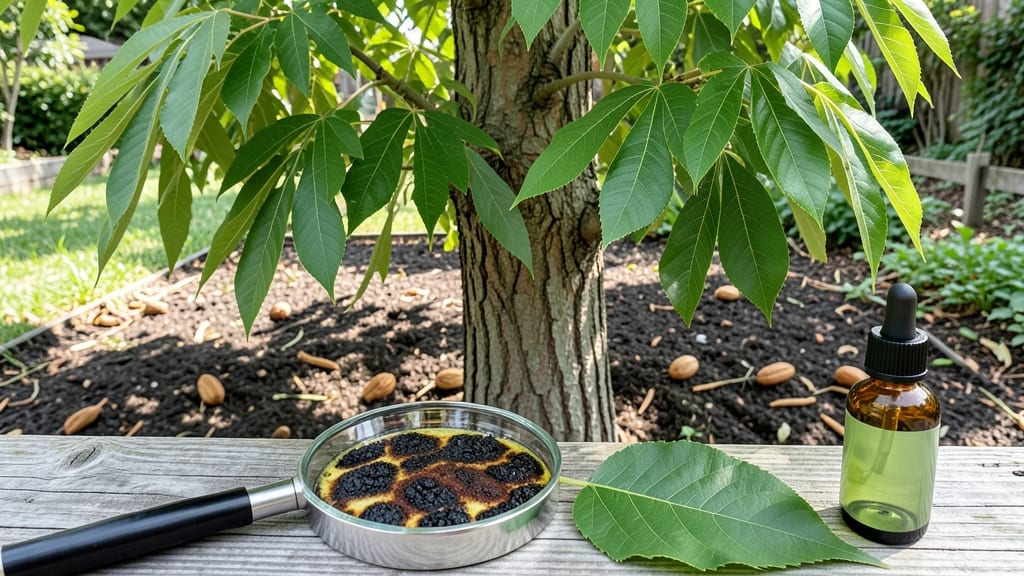
Black spots appearing on pecan tree leaves typically indicate fungal infections such as anthracnose or scab, which spread rapidly in humid, warm weather. Address the issue by promptly removing affected foliage, pruning diseased branches, and applying organic fungicides like neem oil or copper-based sprays to halt further damage.
These fungal pathogens thrive when leaves stay wet for extended periods, so proper tree care is key. 🌱 Anthracnose, for example, creates sunken black spots with yellow halos, while scab produces raised, crusty lesions. The good news?
Organic solutions like copper fungicide (applied every 7-14 days) or neem oil sprays (used preventatively) can effectively control these diseases without harsh chemicals. I've found that improving airflow through strategic pruning—especially removing dense lower branches—reduces humidity near the canopy, making the tree less hospitable to fungal spores.
For severe cases, consider a baking soda solution (1 tablespoon per gallon of water with a drop of dish soap) as a gentle alternative. Always sterilize pruning tools between cuts to prevent cross-contamination, and avoid overhead watering to keep foliage dry.
The earlier you act, the better—fungal infections can weaken the tree's ability to produce nuts if left unchecked.
💡 In This Article
- Identifying Fungal Diseases Causing Black Spots on Pecan Leaves
- Organic Treatment Methods for Pecan Tree Leaf Spot Diseases
Identifying fungal diseases causing black spots on pecan leaves
Fungal pathogens like anthracnose and scab create those telltale black spots by producing microscopic spores that germinate on leaf surfaces. Anthracnose, caused by the fungus Gloeosporium, thrives in temperatures between 75-85°F and creates dark, sunken lesions often surrounded by yellow halos.
These spots can merge, causing entire leaves to brown and drop prematurely. The fungus enters through natural openings or wounds, then spreads via water splashes during rain or overhead irrigation.
Scab, caused by Fusicladium effusum, produces raised, crusty black lesions that feel rough to the touch. Unlike anthracnose, scab spores require prolonged leaf wetness (at least 9 hours) to germinate, which is why humid climates accelerate outbreaks.
Both diseases weaken the tree by reducing photosynthesis, leading to stunted growth and poor nut production. 🌿 What makes identification tricky is that nutrient deficiencies (like zinc or magnesium) can mimic these symptoms—look for yellowing between leaf veins for deficiencies, versus the distinct black spots with fungal infections.
Botryosphaeria canker, another common culprit, causes dark, irregular spots that may ooze gum-like substances. This fungus attacks through wounds, often entering at pruning sites or storm damage. The key difference is that botryosphaeria targets branches and twigs first, while anthracnose and scab primarily attack leaves.
Environmental stress—like drought followed by sudden heavy rain—creates perfect conditions for all three pathogens to flourish.
Microscopic examination reveals the fungal structures: anthracnose produces tiny black fruiting bodies (acervuli) in the lesions, while scab shows olive-green spores under magnification. For home gardeners, a 10x hand lens can help distinguish these features.
The timing matters too—anthracnose typically appears in spring during wet periods, while scab peaks in summer when humidity remains high.
What most people overlook is how these fungi overwinter. Anthracnose spores survive in fallen leaves and mummified fruit, while scab spores persist on cankers in the tree's bark. This is why thorough cleanup in late fall—removing all debris from the base—is critical for next season's prevention.
The fungal life cycle's dependence on moisture explains why black spots often appear in clusters on lower leaves where water pools.