
Light Requirements
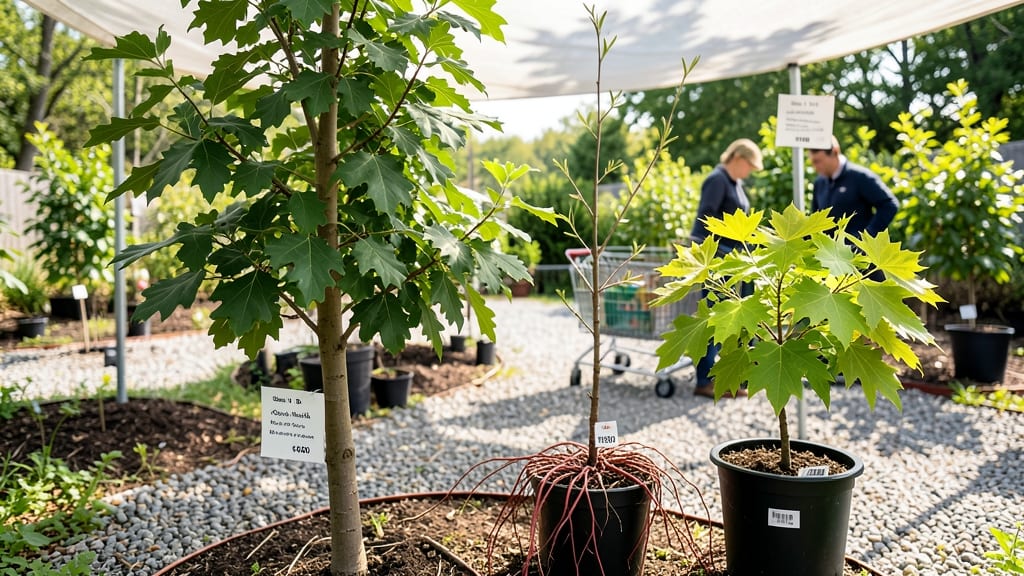
Buying tree saplings typically costs between $5 and $50+, with prices varying by species, size, and supplier type. Bare-root saplings start around $5, while larger or rare varieties can reach $100 or more. Local nurseries and seasonal sales often provide the best value compared to online retailers.
Tree sapling prices reflect both the plant's maturity and market demand. 🌳 For example, fast-growing species like willows or poplars stay on the lower end ($5–$15), while slow-growing oaks or fruit-bearing varieties can climb to $30–$50 for standard sizes.
Container-grown saplings cost more than bare-root options because they require extra care during cultivation. I've found that purchasing in late fall or early spring—when nurseries clear inventory—can save you 20–30% off retail prices.
Another key factor is supplier markup: local nurseries often undercut online retailers by 10–20% due to lower overhead, and some even offer free delivery within a certain radius.
If you're planting multiple trees, asking about bulk discounts (sometimes 10% off 10+ saplings) can make a big difference in your total cost. Always check for local tree-giving programs too—many communities distribute free native saplings to promote forest health.
💡 In This Article
- Factors That Influence Tree Sapling Pricing
- Best Places to Buy Affordable Tree Saplings
Factors that influence tree sapling pricing
The species of tree you choose is the single biggest cost driver. Fast-growing varieties like willows or silver maples typically cost $5–$15 because they reach marketable size in just 1–3 years.
In contrast, slow-growing oaks or fruit-bearing trees like apple saplings can cost $30–$80 due to their 5–10 year cultivation period. The reason? Nurseries invest years in growing and nurturing these species to ensure healthy root systems and disease resistance.
Root type makes a dramatic difference too. Bare-root saplings (digged in winter when dormant) are the most affordable at $5–$20 because they require minimal packaging and storage. Container-grown saplings cost $15–$50+ due to the extra labor of potting, watering, and maintaining consistent moisture levels.
The trade-off? Container-grown trees have established root balls that transplant more easily, reducing shock by up to 40% compared to bare-root options.
Size and age directly correlate with price—height matters more than diameter. A 2–3 foot sapling costs $10–$25, while a 6–8 foot tree can reach $50–$150. The reason is simple: larger trees require more space, water, and nutrients during cultivation.
Regional demand also plays a role. In drought-prone areas, drought-resistant species like live oaks or desert willows command premium prices (sometimes 20–30% higher) because they're in high demand for sustainable landscaping.
Supplier markup varies wildly between sources. Local nurseries typically charge 10–20% less than online retailers due to lower overhead, while big-box stores often add 30–50% markup to cover store operations.
Wholesale lots for landscapers can drop prices to $2–$10 per sapling when buying 50+ trees, but individual consumers rarely qualify for these bulk rates. Seasonality also impacts pricing—spring and fall sales can cut costs by 25–40% as nurseries clear inventory.
Don't overlook hidden costs either. Shipping fees for online orders can add $10–$50 depending on size and distance, while some nurseries charge extra for "premium" features like guaranteed disease resistance or faster-growing rootstock.
For example, a disease-resistant apple sapling might cost $25–$40 more than a standard variety due to the extra breeding and testing required. Always ask whether the price includes delivery, planting instructions, or warranty coverage—these extras can add $5–$20 to your total.
Pro tip: Native species often cost less because they're more abundant in your region. For instance, eastern redbuds or serviceberries typically cost $10–$25 compared to $40–$70 for imported varieties like Japanese maples. Planting native trees also supports local ecosystems and may qualify you for rebates from municipal tree-planting programs.