
How To
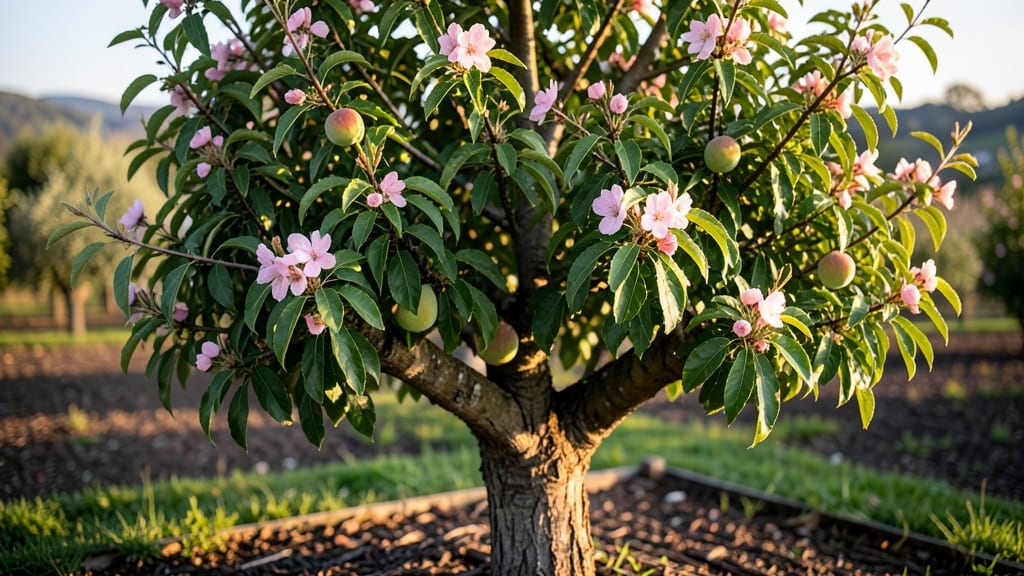
A peach tree can grow how tall can a peach tree grow anywhere from 8 feet to towering 40-foot giants, depending on the variety and care you give it.
Picture this: a backyard so small you can barely fit a patio chair, yet you’re dreaming of juicy, sun-ripened peaches. Or maybe you’ve got acres to spare and want a shade-providing orchard.
The height of your 🍑 isn’t just about space—it affects everything from fruit quality to how easy (or hard) it is to pick those sweet rewards.
Dwarf varieties stay manageable at 8–12 feet, perfect for containers or tight spaces, while standard trees reach 20–30 feet—think two-story buildings. Then there are the giants, like some heirloom varieties, which can stretch toward the sky.
The right choice depends on your garden’s layout, your pruning skills, and even your climate.
In this guide, I’ll break down the height ranges, how to control growth with pruning and rootstock, and which varieties fit your space—so you can grow the perfect peach tree, no matter how big (or small) your dream is.

Peach tree height variations: dwarf to standard to giant sizes
When you picture a peach tree, you might imagine a towering giant reaching for the sky—but that’s not your only option. Peach trees come in stunning height variations, from compact dwarfs perfect for urban patios to massive giants that dominate rural orchards.
The size you choose depends on your space constraints, fruit production goals, and even your pruning commitment. Let’s explore how rootstock, growth habits, and variety selection determine whether your peach tree will stay small or stretch skyward.
The most critical factor in peach tree height is the rootstock used during grafting. Rootstocks control not just height but also growth rate, cold hardiness, and even fruit quality.
A single peach scion (the fruiting part) can produce trees ranging from 8 feet tall to over 30 feet depending on the rootstock. Understanding these differences helps you make the right choice for your garden’s layout and your harvesting style.
Here’s how the four main peach tree height categories compare in terms of mature size, growth speed, and spacing needs. Use this guide to pick the perfect fit for your space—whether you’re working with a tiny balcony or a sprawling backyard.
| Category | Mature Height | Growth Rate (First 3 Years) | Spacing Needs | Rootstock Examples |
|---|---|---|---|---|
| Dwarf | 8–12 ft | 1–2 ft/year | 6–8 ft between trees | Lovell, Nemaguard |
| Semi-Dwarf | 12–18 ft | 2–3 ft/year | 10–12 ft between trees | Halford, Nemared |
| Standard | 20–30 ft | 3–5 ft/year | 15–20 ft between trees | Seedling, Open-Pollinated |
| Giant (Vigorous) | 30–40+ ft | 5–8 ft/year | 25–30 ft between trees | None (seed-grown) |
Dwarf peach trees are the ultimate space-savers, ideal for containers, patios, or even balconies in urban areas. They mature at just 8–12 feet, making them perfect for easy harvesting and low-maintenance pruning.
However, their smaller root systems mean they need frequent watering and fertility boosts to produce the same fruit yield as larger trees. Varieties like Redhaven or Elberta grafted onto Lovell rootstock stay compact while delivering high-quality fruit.
Semi-dwarf trees strike a balance between size and productivity, reaching 12–18 feet at maturity. This makes them a popular choice for suburban gardens where you want generous fruit production without sacrificing too much space.
They grow faster than dwarfs but still require moderate pruning to maintain shape. Rootstocks like Halford or Nemared are excellent for semi-dwarfs, offering better cold hardiness than dwarf varieties while keeping trees manageable.
Standard peach trees are the classic orchard giants, towering 20–30 feet tall and producing abundant fruit for decades. These trees thrive in rural settings with ample space and are often seed-grown or grafted onto vigorous rootstocks.
While they require heavy pruning and wide spacing, their long lifespan and high yield make them a favorite for commercial growers. If you love the idea of a traditional peach orchard, standard trees deliver the iconic experience.
For those with ample land and patience, giant peach trees can reach 30–40 feet or more, creating a shade canopy and massive fruit crops.
These trees are typically seed-grown and grow rapidly, but they demand significant space, intensive care, and regular pruning to manage their size. While they’re not practical for most home gardens, they’re a spectacular choice for
How to control peach tree height: pruning, training, and rootstock secrets
Managing your peach tree height is one of the most effective ways to maximize fruit production while keeping your garden tidy. Without proper control, even dwarf varieties can outgrow their space, while standard trees may become unmanageable.
The good news? With the right techniques—like strategic pruning, espalier training, and choosing dwarfing rootstocks—you can shape your tree to fit your space perfectly.
First, let’s address the rootstock mystery. The rootstock you choose determines up to 80% of your tree’s mature height. Dwarfing rootstocks like Lovell or Nemaguard keep trees between 8-12 feet, while standard rootstocks can push heights to 20-30 feet.
If you’re working with limited space, selecting the right rootstock at planting time is your best first step.
Step-by-Step Height Control Guide
-
Step 1: Choose the Right Rootstock
- Dwarf rootstocks: 8-12 ft mature height
- Semi-dwarf: 12-18 ft
- Standard: 20-30 ft
-
Step 2: Prune in Late Winter
- Remove dead or crossing branches first
- Cut back suckers at the base
- Shape for open center or central leader
-
Step 3: Train with Espalier
- Spread branches horizontally along a fence/wall
- Use soft ties to guide growth
- Ideal for small spaces or urban gardens
-
Step 4: Summer Pruning
- Remove water sprouts immediately
- Thin out overlapping branches for airflow
- Limit cuts to 1/3 of new growth
-
Step 5: Avoid Common Mistakes
- Don’t over-prune—keep 30-50% of foliage
- Avoid topping (cuts above a bud)
- Never prune in fall (invites disease)
One of my favorite techniques for small gardens is espalier training. By training branches horizontally along a fence or trellis, you can grow a 20-foot tree in a space that would normally only fit an 8-foot dwarf.
Just be patient—it takes 2-3 years to establish the framework, but the results are stunning. Plus, espaliered trees produce fruit more efficiently because sunlight reaches all branches.
When it comes to pruning timing, late winter (just before buds swell) is ideal for structural pruning. This is when you make your biggest cuts to shape the tree. However, summer pruning is equally important for maintaining height.
Remove water sprouts (fast-growing vertical shoots) as soon as they appear—they’re a surefire way to end up with an unruly tree. Always use clean, sharp tools to prevent disease entry.
If you’re dealing with an existing overgrown peach tree, don’t panic. Start with a gradual reduction plan—never remove more than 25% of the canopy in one year. Focus on removing lower branches to open up the center and improve airflow.
This not only controls height but also reduces the risk of bacterial spot and peach leaf curl, two common diseases that thrive in dense foliage.
Remember, the goal isn’t just to stunt growth but to create a balanced, productive tree. A well-pruned peach tree will reward you with larger fruit, easier harvesting, and fewer structural problems as it ages.
With these techniques, you can enjoy homegrown peaches—whether your tree stands tall and majestic or fits neatly in a container on your patio. 🍑