
How To
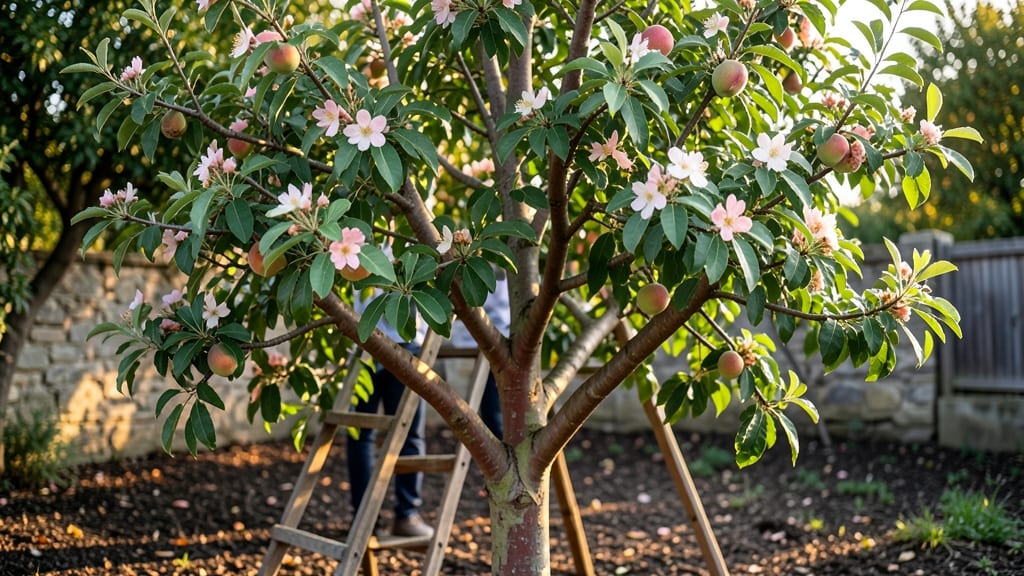
A peach tree will how tall will a peach tree grow between 15 and 25 feet at maturity, towering over most backyards like a living fruit sculpture 🍑 — but the right variety and care can keep it in check.
If you’ve ever eyed a peach tree and hesitated because of its eventual height, you’re not alone. Many gardeners assume these trees need acres of space, but dwarf and semi-dwarf options can fit even small yards while still delivering sweet, juicy fruit.
Your tree’s final height depends on its rootstock (dwarf vs. standard), pruning habits, and seasonal care. A standard peach tree can reach 25 feet, while a dwarf variety stays around 8 to 12 feet—making it perfect for containers or tight spaces.
In this guide, I’ll break down how to choose the right size for your space, prune for control, and keep your tree healthy so it stays productive without taking over your garden.

Peach tree height by variety: dwarf, semi-dwarf, and standard sizes explained
If you're dreaming of a backyard peach tree but worried about space, don't panic—your options aren't limited to towering giants. The height of a peach tree depends entirely on its variety and rootstock.
Standard varieties can reach 20-30 feet, while dwarf varieties stay compact at 8-12 feet. Choosing the right size ensures your tree thrives without overpowering your landscape.
Rootstock plays a crucial role in determining mature height. Dwarf rootstock like 'Lovell' or 'Halford' keeps trees small, while semi-dwarf rootstock like 'Nemaguard' results in medium-sized trees.
Standard rootstock, such as 'Lovell' on its own, produces full-sized trees. Understanding these differences helps you select a tree that fits your space and maintenance goals.
Here’s how popular peach varieties compare in height, along with spacing recommendations for optimal airflow and sunlight:
| Variety | Rootstock | Mature Height (ft) | Spacing (ft) | Best For |
|---|---|---|---|---|
| Redhaven | Standard | 20-25 | 20-25 | Large yards, orchards |
| Bonanza | Dwarf | 8-12 | 10-12 | Containers, small yards |
| Elberta | Semi-Dwarf | 12-18 | 15-20 | Medium yards, espalier |
| Suncrest | Dwarf | 8-10 | 8-10 | Containers, patios |
| Flavorgrann | Standard | 20-25 | 20-25 | Orchards, rural areas |
For small spaces, dwarf varieties like 'Bonanza' or 'Suncrest' are ideal. These trees mature at 8-12 feet and can even thrive in large containers with proper care. Semi-dwarf varieties, such as 'Elberta', strike a balance at 12-18 feet, making them perfect for medium-sized yards.
Standard varieties like 'Redhaven' or 'Flavorgrann' reach 20-25 feet and require ample space for airflow and sunlight. Plant these at least 20 feet apart to prevent disease and ensure healthy growth. Always consider your yard’s layout and future growth when selecting a variety.
Proper spacing between trees is critical for airflow, which reduces the risk of fungal diseases like peach leaf curl. Aim for 15-25 feet between standard trees and 10-12 feet for dwarf varieties. This spacing also allows sunlight to reach lower branches, promoting better fruit production.
If you're unsure about your space, consider espalier training for semi-dwarf varieties. This technique trains trees to grow flat against a fence or wall, saving space
How pruning and seasonal care affect peach tree height over time
Pruning isn’t just about shaping your peach tree—it’s the key to controlling its height and ensuring strong fruit production. Without proper pruning, even dwarf varieties can grow taller than expected, while aggressive pruning can stunt growth entirely.
The right techniques, applied at the right time, can keep your tree within your desired height range while maximizing airflow and sunlight penetration.
Seasonal care plays an equally critical role. Winter pruning removes dead or crossing branches, while summer thinning focuses on opening the canopy for better fruit development. Skipping these steps often leads to overgrowth, with trees reaching heights of 20+ feet even in dwarf varieties.
Understanding your USDA climate zone (5-9) also impacts growth rates, as warmer zones accelerate vertical expansion.
⚠️ Height Shock: Common Mistakes That Make Peach Trees Grow Too Tall
Overlooking these 3 mistakes can turn a manageable peach tree into a towering giant:
- Neglecting winter pruning – Letting dead branches accumulate forces the tree to grow taller to compensate for lost energy.
- Pruning at the wrong time – Summer pruning (after June) stimulates new growth that extends height before dormancy.
- Ignoring rootstock type – Dwarf rootstocks (like 'Lovell') can still reach 12+ feet if not pruned aggressively.
🌱 Fix it: Prune in late winter (Feb-March) and use the open-center method to limit vertical growth.
Start with the central leader pruning method for young trees (first 3 years) to establish a strong trunk. This involves keeping one dominant vertical branch while removing competing leaders. Once your tree reaches 6-8 feet, switch to the open-center approach—this spreads branches outward, reducing height while improving fruit access.
Always use clean, sharp pruners to avoid tearing bark, which invites disease.
Timing matters more than most gardeners realize. Winter pruning (dormant season) is ideal for structural shaping, while summer thinning (June-July) focuses on removing water sprouts and overcrowded branches.
In USDA Zone 7-9, summer pruning can be done year-round, but avoid heavy cuts after August to prevent late-season regrowth that extends height before winter dormancy.
Climate zone significantly impacts growth rates. Trees in USDA Zone 5 grow more slowly due to shorter seasons, often reaching 15-18 feet at maturity, while those in Zone 9 can hit 25 feet without intervention.
To counteract this, prune 10-15% of the canopy annually in warmer zones, focusing on removing upward-growing branches. Mulch heavily (3-4 inches) to regulate root growth and reduce vertical expansion.
One of the biggest mistakes is topping trees—cutting the main trunk to reduce height. This creates stubby regrowth that’s prone to disease and weak wood. Instead, use the heading-back method: cut branches back to a lateral bud or side branch.
For dwarf varieties, limit pruning to 20% of the canopy per year to maintain their compact size without stressing the tree.
Monitor your tree’s growth annually by marking the trunk height with a measuring tape in early spring. If vertical growth exceeds 12 inches per year, adjust your pruning strategy immediately. Pair pruning with balanced fertilization (10-10-10 NPK) in early spring to encourage outward growth over height.
With consistent care, even standard varieties can be kept under 15 feet—making backyard peach orchards a reality for most gardeners. 🌳