
How To
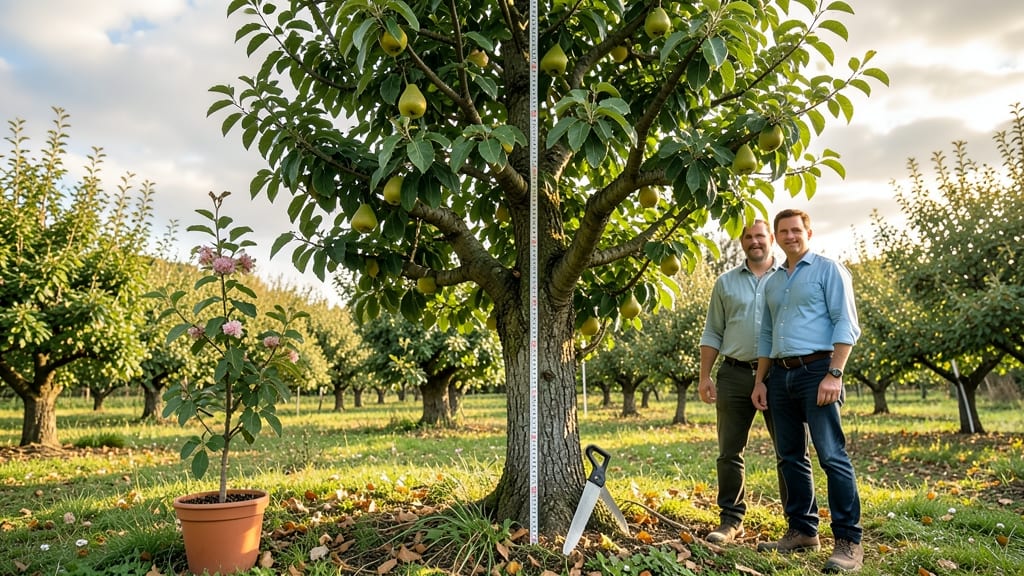
A pear tree can grow how tall can a pear tree grow anywhere from 8 feet to towering 50 feet, depending on the variety and care you give it.
Wondering if your backyard can handle a towering pear tree? The height of a pear tree isn’t just about space—it’s about variety, pruning, and even your local climate.
Imagine planting a sapling that could one day shade your entire property, or choosing a compact dwarf variety that fits neatly into a small urban yard. The right choice depends on your goals: fruit production, aesthetic appeal, or practical space management.
Dwarf pear trees stay manageable at 8–12 feet, while standard varieties can reach 40–50 feet—taller than a three-story building. Below, we’ll break down the growth stages, how to control height with pruning, and which varieties suit your space best.
Whether you’re dreaming of a backyard orchard or a single fruit-bearing tree, knowing these details will help you plan for years of harvests without regrets.

Pear tree height by variety: dwarf to standard growth ranges
Choosing the right pear tree variety is the first step in managing its height. Whether you have a small urban yard or spacious countryside land, knowing the mature size of your pear tree helps you plan for long-term space requirements and fruit accessibility.
Dwarf varieties stay compact, while standard trees can reach towering heights—sometimes over 50 feet—so let’s break down the options to fit your space.
Pear trees are grafted onto rootstocks that determine their ultimate size. The rootstock influences not just height but also growth rate, fruit production, and lifespan.
For example, a tree on a dwarfing rootstock like Quince A will stay under 12 feet, while a standard rootstock like Seedling can grow to 40-50 feet. Understanding these differences ensures you pick the perfect fit for your garden layout.
🌱
If you’re dreaming of easy-to-reach pears, dwarf varieties like Moonglow or Seckel are perfect. These stay under 12 feet, making them ideal for containers or small gardens. Semi-dwarf varieties like Anjou or Orient strike a balance, reaching 12–18 feet while still being manageable for most homeowners.
For those with ample space, standard varieties like Bartlett on seedling rootstock can grow 50 feet or taller, providing shade and fruit for decades.
Popular Asian pear varieties, such as Shinseiki or Hosui, often grow on semi-dwarf rootstocks, staying between 15–20 feet. These are great for backyard orchards where you want a mix of ornamental value and productivity.
Always verify the rootstock when buying, as nurseries may label trees differently. For example, a Bartlett pear on Quince A rootstock will dwarf significantly compared to one on seedling rootstock.
Space isn’t just about height—it’s also about canopy spread. A standard pear tree can spread 25–35 feet wide, while dwarf varieties stay under 10 feet. This means planting 3–4 dwarf trees in a row can mimic the yield of a single standard tree.
For urban gardens, consider espalier training to grow dwarf pears along fences or walls, saving even more space.
Your local climate zone also affects growth. Pear trees thrive in USDA Zones 5–9, but colder zones may see slower growth initially. In warmer climates, trees may grow faster and taller if unchecked.
Always factor in winter hardiness—some dwarf varieties, like Moonglow, tolerate colder temps better than others. If you’re in a windy area, taller varieties may need staking to prevent damage.
For container growing, stick to dwarf or semi-dwarf varieties in large pots (20+ gallons). Ensure the container has drainage holes and use a well-draining potting mix to prevent root rot.
Container-grown pears will need regular pruning to control height and annual repotting to refresh nutrients. Even in containers, expect a 10–15% height reduction compared to in-ground growth.
Pruning plays a huge role in managing height. Young trees benefit from structural pruning to encourage a strong
Factors that influence pear tree height: pruning, climate, and soil
Your pear tree's final height depends on more than just its variety—pruning techniques, local climate, and soil quality all play critical roles. For example, a standard Bartlett pear tree can reach 50 feet if left unpruned, but aggressive pruning can keep it below 20 feet.
Understanding these factors helps you control growth and maximize fruit production in your space.
Pruning is the most direct way to influence height. Regular pruning during late winter or early spring encourages lateral branching while keeping the tree compact. I recommend removing water sprouts (vertical shoots) and thinning crowded branches to improve airflow and sunlight penetration. Without pruning, your pear tree may grow taller but produce fewer, lower-quality fruits.
Your climate zone also affects height potential. Pear trees thrive in USDA Zones 5-9, but cooler climates (like Zone 5) often result in slower growth and shorter mature heights. In warmer zones (Zone 8-9), trees grow faster and taller.
For instance, a semi-dwarf Anjou pear in Florida might reach 18 feet, while the same variety in Minnesota could max out at 12 feet due to shorter growing seasons.
Soil quality impacts root development, which directly influences tree height. Pear trees prefer well-draining, slightly acidic soil (pH 6.0-7.0). Poor soil with compacted clay or high salinity can stunt growth, while rich, loamy soil promotes vigorous root systems.
I always test my soil before planting—amending with compost or organic matter can boost growth by 30% in just one season.
🌱 Key Takeaway: How Tall Can a Pear Tree Grow?
- Dwarf: 8-12 ft (ideal for small yards)
- Semi-Dwarf: 12-18 ft (balanced for home gardens)
- Standard: 20-50 ft (requires ample space)
💡 Tip: Rootstock choice determines 50% of final height—dwarfing rootstock like Quince C keeps trees under 12 ft, while seedling rootstock allows full-size growth.
Watch for signs of stunted growth, like sparse foliage or slow annual height increases. This often signals poor soil nutrients or root issues. Overgrowth, on the other hand, may require structural pruning to prevent limb breakage during storms.
I once had a 25-foot pear tree in my yard—until a summer storm snapped a limb. Now, I prune aggressively every 2-3 years to maintain its shape and safety.
To manage height effectively, combine seasonal pruning with regular soil testing and climate-appropriate care. For example, in Zone 7, I prune my semi-dwarf pear in February to encourage spring blooms, while in Zone 9, I delay pruning until March to avoid late frosts.
Small adjustments like these can keep your pear tree at your desired height while ensuring bountiful harvests.
Remember, a pear tree’s height isn’t set in stone—it’s a dynamic process you can shape with the right techniques. Whether you’re growing a compact patio pear or a towering orchard tree, understanding these factors gives you full control over your tree’s future.
Start with the right variety, prune wisely, and give it the best growing conditions for the height you want.