
How To
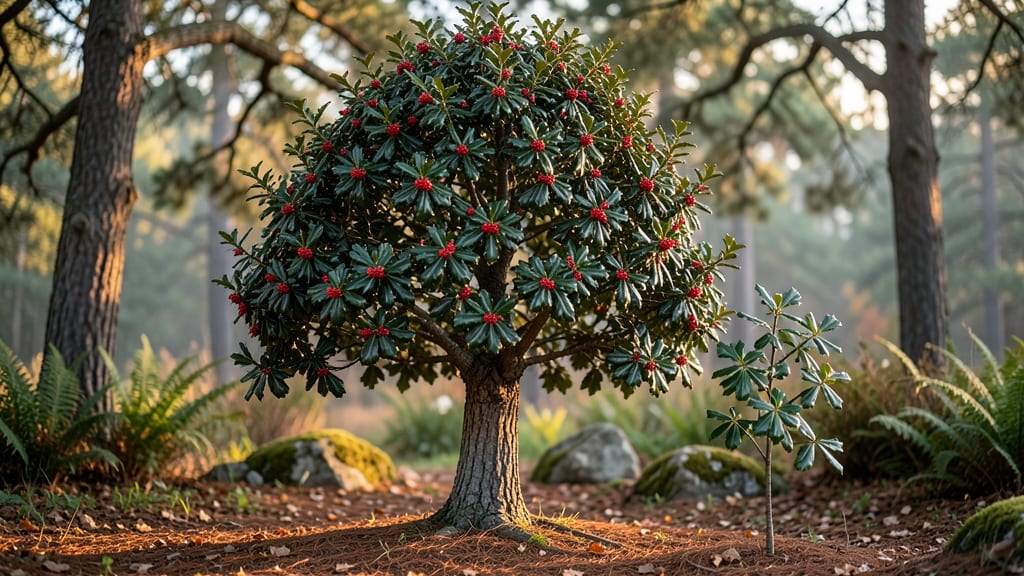
A holly tree can grow how tall does a holly tree grow from a compact 5 feet to a towering 60 feet, depending on the variety you choose 🌲 — and picking the right one for your space makes all the difference.
If you're dreaming of a lush, evergreen hedge or a striking focal point in your landscape, holly trees deliver—yet their towering heights can surprise even seasoned gardeners.
From dwarf varieties that stay under 5 feet to giants reaching 60 feet, understanding holly tree growth patterns is key to planning your garden like a pro.
Fast-growing species like American holly can shoot up 2-3 feet per year, while slower varieties like English holly mature at a more manageable pace. Whether you have a sprawling backyard or a cozy urban patio, knowing these differences helps you avoid overcrowding and pruning headaches down the road.
Below, I break down the fastest-growing hollies by height, how to control their growth with pruning, and the best compact varieties for small spaces—so you can plant with confidence and enjoy your holly’s full potential.

Holly tree height guide: mature sizes by fastest-growing varieties
Choosing the right holly tree for your space means understanding their mature heights and growth rates. Some varieties grow just 3 feet tall while others can tower over 60 feet, making careful selection essential for small gardens or large landscapes alike.
The fastest-growing hollies can add 3-5 feet per year under ideal conditions, so let’s break down the top performers to help you plan.
Holly trees are divided into three main categories based on size: dwarf, semi-dwarf, and standard. Dwarf varieties like ‘Sky Pencil’ stay under 10 feet, while standard types like American holly can reach 40-60 feet.
Hybrid varieties often bridge the gap, offering moderate growth with striking features like glossy leaves and vibrant berries.
Fast growth doesn’t always mean rapid height—some hollies spread wider than they grow tall. For example, ‘Blue Prince’ grows 15-20 feet tall but spreads 10-15 feet wide, making it ideal for hedges or privacy screens. Meanwhile, ‘Dwarf Burford’ remains compact, perfect for foundation plantings or small yards.
Growth rates depend on soil quality, sunlight, and water availability. Well-draining, acidic soil (pH 5.0-6.0) and full sun to partial shade accelerate growth. In optimal conditions, a standard American holly can grow 3-5 feet per year in its first decade, while dwarf varieties grow 6-12 inches annually. Pruning also plays a critical role in managing height and shape.
Here’s a quick comparison of the fastest-growing holly varieties and their mature heights:
| Variety | Type | Mature Height | Growth Rate | Best For |
|---|---|---|---|---|
| American Holly (Ilex opaca) | Standard | 40-60 ft | 3-5 ft/year (young) | Large landscapes, focal points |
| English Holly (Ilex aquifolium) | Standard | 30-50 ft | 2-4 ft/year | Traditional gardens, hedges |
| ‘Blue Prince’ Holly | Hybrid | 15-20 ft | 2-3 ft/year | Privacy screens, hedges |
| ‘Sky Pencil’ Holly | Dwarf | 8-10 ft | 6-12 in/year | Small gardens, containers |
| ‘Dwarf Burford’ Holly | Dwarf | 4-6 ft | 4-8 in/year | Foundation plantings, borders |
| ‘Nellie R. Stevens’ Holly | Hybrid | 20-30 ft | 2-4 ft/year | Focal points, mixed borders |
The American holly is the fastest-growing standard variety, often reaching 60 feet in ideal conditions. Its spiny leaves and red berries make it a favorite for wildlife, but its size requires ample space.
If you’re working with limited room, hybrid varieties like ‘Blue Prince’ or ‘Nellie R. Stevens’ offer a balance of moderate growth and ornamental value.
For small gardens, dwarf hollies like ‘Sky Pencil’ or ‘Dwarf Burford’ are game-changers. These varieties mature at 8-10 feet and grow slowly, making them perfect for containers or urban landscapes.
Their compact size also means less pruning, saving you time and effort. Just ensure they get well-draining soil and regular watering to prevent root rot.
When planning your holly tree’s location, consider both its mature height and spread. A standard holly planted near a house may require pruning every 2-3 years to prevent overgrowth, while dwarf varieties can thrive in tight spaces with minimal maintenance.
Always check local USDA hardiness zones—most hollies thrive in zones 5-9, but some varieties extend into zone 4.
If you’re aiming for a <
How to control holly tree growth: pruning and spacing tips
Holly trees are stunning landscape stars, but their rapid growth can quickly overwhelm small spaces. The key to managing their height lies in strategic pruning and thoughtful spacing from the start.
Unlike many trees, hollies respond well to pruning at any time, but timing and technique make all the difference in controlling their towering ambitions.
Whether you're dealing with a 10-foot dwarf or a 40-foot giant, understanding how to shape your holly tree ensures it stays within your garden's boundaries.
I've learned that most gardeners underestimate how quickly hollies grow—especially in rich, moist soil—so let's dive into the best methods to keep them in check.
⚠️ callout warning⚠️ Warning: Holly Trees Grow FASTER Than You Think!
American holly and English holly can grow 3-5 feet per year in ideal conditions! Without control, a 5-foot sapling can become a 20-foot monster in just 5 years. Even dwarf varieties need pruning to maintain their compact size.
Pro Tip: Plant 10-15 feet away from structures to prevent overgrowth. For container-grown hollies, use large pots (20+ gallons) to restrict root expansion.
Start by pruning your holly tree in late winter or early spring before new growth begins. This is when the tree is most responsive to shaping. Use clean, sharp pruners to make cuts just above a bud or branch collar—never leave stubs.
For height control, focus on removing the topmost branches to encourage bushier growth lower down.
If your holly is growing too fast, consider root pruning—digging around the outer roots and trimming some back. This reduces the tree's ability to absorb excess nutrients, slowing its growth rate.
Pair this with well-draining soil and minimal fertilization to further control its size. I've seen hollies grow 50% slower with these adjustments!
For container-grown hollies, choose dwarf varieties like 'Sky Pencil' or 'Little Gem,' which naturally stay under 10 feet. Repot every 2-3 years into slightly larger containers to prevent root-bound stress. Place them in morning sun to avoid heat stress, and water deeply when the top inch of soil feels dry.
Remember, hollies thrive with consistent care, so regular pruning—even just a few branches per year—keeps them manageable. With the right techniques, you can enjoy their beauty without sacrificing your garden's layout. Happy pruning! ✂️