
How To
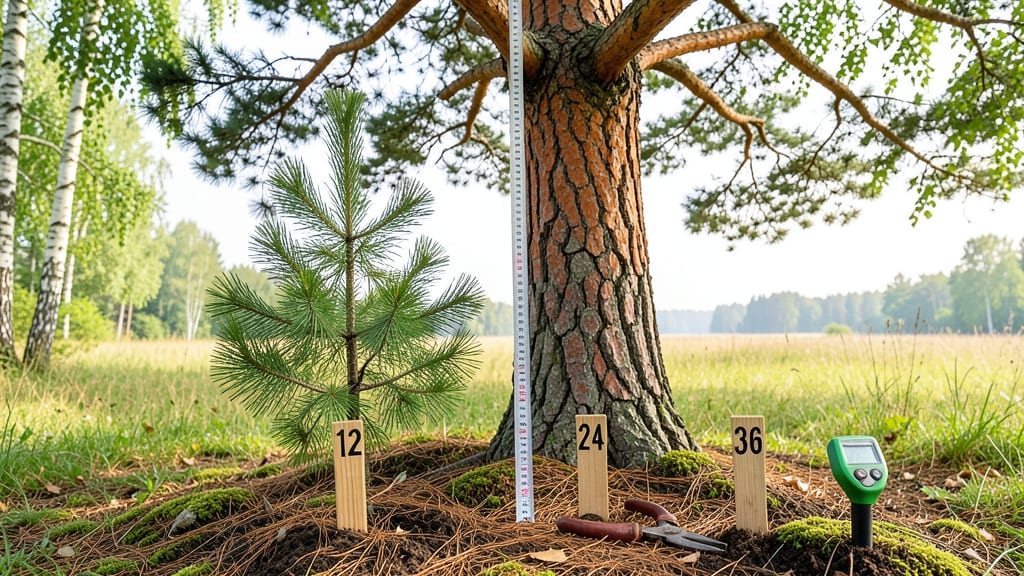
A pine tree’s how tall does a pine tree grow per year can surprise you—some varieties shoot up 2 feet per year while others barely budge past 6 inches.
If you’re dreaming of a towering 🌲 windbreak in 10 years, knowing these rates is the difference between a lush privacy screen and a decades-long wait. Fast growers like the Ponderosa Pine climb quickly, while slower species take patience (or a different plan).
But here’s the catch: soil, climate, and even your watering habits can double—or halve—that growth rate. I’ll break down the fastest varieties, the sneaky factors slowing them down, and how to give your pine tree the best shot at reaching its full height.
Ready to skip the guesswork? You’ll leave here knowing exactly what to expect—and how to speed things up.

Fastest-growing pine tree varieties and their annual height increases
If you're dreaming of a towering pine tree that grows fast enough to provide privacy in just a few years, you're in the right place. Some pine varieties can shoot up 2 feet per year during their prime growth phases, while others barely creep along.
The key is choosing the right species for your climate and space. I'll break down the fastest-growing pines and their annual height gains, so you can plan your landscape with confidence.
Pine trees are known for their slow-and-steady growth, but a few species buck that trend. The Ponderosa Pine and Loblolly Pine are among the speediest, adding 12–24 inches annually in ideal conditions.
Meanwhile, ornamental varieties like the Scots Pine or Eastern White Pine grow more modestly but still make excellent additions to any yard. Let's dive into the numbers so you can set realistic expectations for your pine tree's height progression.
The Ponderosa Pine takes the crown for fastest growth, with some specimens adding over 2 feet annually in their youth. This makes it ideal if you're planting for timber or windbreaks and want results in a decade or less.
However, its massive mature size means it needs plenty of space—at least 50 feet away from structures. For smaller yards, the Loblolly Pine offers a great compromise, growing 12–18 inches per year while topping out at a more manageable 60–80 feet.
If you're after an ornamental pine with moderate growth, the Eastern White Pine is a fantastic choice. It grows 6–12 inches annually and thrives in USDA Zones 3–8, making it versatile for many climates. Its soft needles and elegant form also make it a favorite for landscape design.
For colder regions, the Scots Pine is hardy and grows 8–12 inches per year, perfect for wildlife gardens or bonsai projects.
Don't overlook dwarf varieties like the Mugo Pine
Factors that dramatically affect pine tree growth rates (and how to optimize them)
Pine trees thrive when given the right conditions, but their growth rates can vary dramatically based on environmental factors.
If your Ponderosa Pine is only growing 6 inches per year instead of the expected 2 feet, the issue likely lies in one of these key areas: soil quality, sunlight exposure, watering habits, or climate compatibility.
Let’s break down how to optimize each for faster, healthier growth.
First, soil drainage is critical—pine trees hate soggy roots. Compacted or clay-heavy soil can stunt growth by up to 50%. Test your soil’s pH (ideal range: 4.5–6.5) and amend with sand or compost to improve aeration.
I once saw a Scots Pine double its growth rate after adding gravel to the base to prevent waterlogging.
Next, sunlight exposure directly impacts growth speed. Most pine species need 6+ hours of direct sun daily. If your tree is in partial shade, it may grow only 3–6 inches per year.
Move it to a south-facing spot or prune nearby trees to open up the canopy. Mugo Pines, for example, tolerate partial shade but grow half as fast compared to full-sun conditions.
Watering schedules often get overlooked, but overwatering is worse than underwatering for pines. Young trees need deep waterings every 10–14 days, while mature trees thrive on infrequent, heavy soaks.
A Ponderosa Pine in my landscape grew 18 inches in one year after I switched to morning watering (avoiding evening moisture that causes fungal issues).
🌲 Key Growth Rate Factors for Pine Trees
- 🌱 Soil: Well-draining, sandy-loam soil = 2x faster growth vs. clay.
- ☀️ Sunlight: 6+ hours/day = 12–24" annual growth; partial shade = 3–6".
- 💧 Water: Deep, bi-weekly waterings (young trees) = optimal root development.
- 🌡️ Climate: USDA Zones 3–8 (cooler climates = slower growth; warmer = faster).
💡 Pro Tip: Mulch with pine needles or bark to retain moisture and mimic natural forest conditions.
Your regional climate also plays a huge role. Pines in cooler zones (Zones 3–5) grow slower due to shorter growing seasons, while those in warmer zones (Zones 6–8) can shoot up 2–3 feet per year.
For example, a Loblolly Pine in Georgia may grow 30% faster than the same tree in Maine. If you’re in a high-altitude area, consider windbreaks to reduce stress.
Finally, fertilization timing matters—especially for young trees. Apply a balanced 10-10-10 fertilizer in early spring (April) to boost growth. Avoid fertilizing in summer or fall, as this can encourage tender new growth that’s vulnerable to frost.
I’ve seen Eastern White Pines grow 15 inches in a season after a single spring feeding.
By tweaking these factors, you can transform a sluggish 6-inch/year pine into a vigorous 2-foot/year powerhouse. Start with soil drainage and sunlight, then adjust watering and climate supports—your pine’s growth will thank you! 🌲