
How To
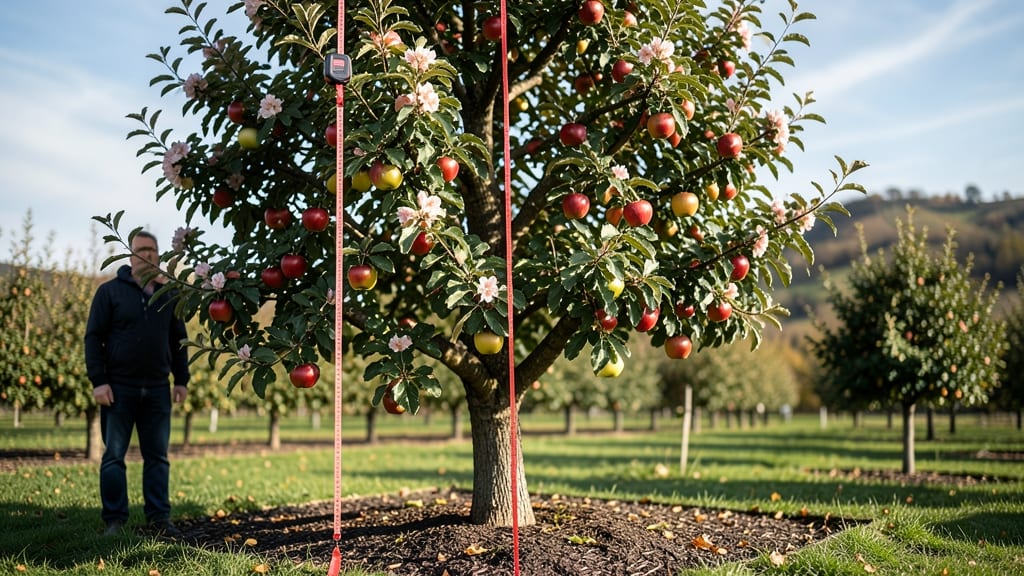
How tall does an apple tree grow? The answer varies dramatically from 8 feet to towering 25 feet, depending on the variety and how you manage them.
Wondering whether your backyard can accommodate an apple tree? The height of an apple tree can vary dramatically—from compact dwarf varieties perfect for small spaces to towering giants that need acres of land. Before planting, knowing these differences could save you years of frustration (or pruning!).
Dwarf varieties stay manageable at 8–12 feet, while standard trees can reach 18–25 feet—taller than a two-story house. Climate, pruning, and rootstock also play a role, so choosing the right type for your space is key.
In this guide, I’ll break down how tall different apple trees grow, how to control their size, and which varieties fit best in small gardens, urban yards, or sprawling orchards.

Apple tree height by variety: from dwarf to standard to giant sizes
Choosing an apple tree isn't just about flavor—it's about space planning. A dwarf apple tree might fit in your backyard corner, while a standard variety could outgrow your entire property. Understanding these differences helps you select the perfect tree for your yard size and maintenance goals.
Apple tree heights are determined by their rootstock type. Dwarf varieties stay under 12 feet tall, while standard trees can reach 25 feet or more. The right choice depends on your available space and whether you prefer easy harvesting or long-term growth management.
Here’s a quick comparison of the four main apple tree height categories, including popular varieties and their mature sizes:
Dwarf apple trees (6–12 feet) are ideal for small yards, containers, or urban gardens. Varieties like 'Honeycrisp' or 'Red Delicious' on dwarf rootstocks produce full-sized fruit but stay manageable. Their compact size also means easier harvesting and less pruning.
For medium-sized yards, semi-dwarf varieties (12–16 feet) strike a balance. 'Fuji' or 'Gala' on semi-dwarf rootstocks offer a longer lifespan and higher yield than dwarfs, while still fitting in suburban backyards. Space them 10–12 feet apart for optimal airflow.
Standard apple trees (18–25 feet) are the classic choice for rural properties. They produce heavier fruit loads and live decades longer, but require regular pruning and wide spacing (20–25 feet). Varieties like 'Granny Smith' thrive here but need strong support as they mature.
If you have acres of land, giant apple trees (30+ feet) like 'Arkansas Black' can be stunning. These old-fashioned varieties often have exceptional flavor but demand extensive space and professional pruning. They’re rare in home gardens but prized by orchardists.
Remember, tree height isn’t set in stone—pruning and training methods can influence growth. A dwarf tree left unpruned might grow taller over time, while a standard tree can be kept smaller with espalier techniques. Always check the rootstock type when selecting your tree.
For urban gardeners, dwarf varieties are a game-changer. Even in containers, a 6-foot-tall apple tree can produce hundreds of pounds of fruit annually. Just ensure your container is at least 20 gallons and use well-draining soil to prevent root rot.
No matter your choice, planting depth matters. Bury the graft union 2–3 inches below soil level to protect it from winter cold and summer heat. This simple step ensures your tree grows strong and healthy for years to come.
How to choose the right apple tree height for your space
Selecting the perfect apple tree height depends on your yard size, climate zone, and maintenance goals. A dwarf variety might fit your patio, while a standard tree needs acres to thrive.
Let’s break down how to match your space with the right tree size—and avoid costly mistakes down the road.
Urban gardeners often gravitate toward dwarf or semi-dwarf trees (6–12 feet tall) because they fit balconies, small yards, and even large containers. These varieties produce fruit faster and require less pruning, but they may yield fewer apples than their taller counterparts.
Meanwhile, standard trees (18–25 feet) dominate traditional orchards, offering higher yields but demanding more space and pruning effort.
Dwarf vs. Standard Apple Trees: Quick Comparison
Dwarf Trees (6–12 ft)
- ✅ Pros: Fits small spaces, faster fruiting (3–5 years), easier pruning, container-friendly
- ❌ Cons: Lower yield, shorter lifespan (15–20 years), needs staking
Semi-Dwarf Trees (12–16 ft)
- ✅ Pros: Balanced size, moderate yield, longer lifespan (25–30 years)
- ❌ Cons: Needs more space than dwarfs, pruning still required
Standard Trees (18–25 ft)
- ✅ Pros: Highest yield, longest lifespan (30+ years), classic orchard look
- ❌ Cons: Needs acres of space, heavy pruning, not container-friendly
For urban gardeners, consider columnar varieties like 'Columnar Red Delicious,' which grow only 8–10 feet tall but produce apples along their entire length. These are ideal for narrow spaces or rooftop gardens.
If you’re planting multiple trees, space dwarf trees 6–8 feet apart and standard trees 20–25 feet apart to prevent overcrowding and disease.
Climate also plays a role: In warmer zones (USDA 8–10), semi-dwarf trees thrive with less winter dieback, while colder climates (USDA 4–6) benefit from standard trees’ hardiness. Always check your tree’s chilling hour requirements—some dwarf varieties need fewer hours to fruit, making them better suited for mild winters.
If you’re container growing, prioritize dwarf rootstocks like M.9 or B.9, which stay under 10 feet tall. Use a 20-gallon pot with drainage holes and repot every 2–3 years. Just remember: Container trees need more frequent watering and winter protection from freezing roots.
Before planting, sketch your yard’s layout and measure available space. A 12-foot tree needs at least 8 feet of clearance for branches, while a 20-foot tree requires 25 feet of space to avoid shading out lawns or neighboring plants.
When in doubt, start small—a semi-dwarf tree offers a happy medium for most home gardens.