
How To
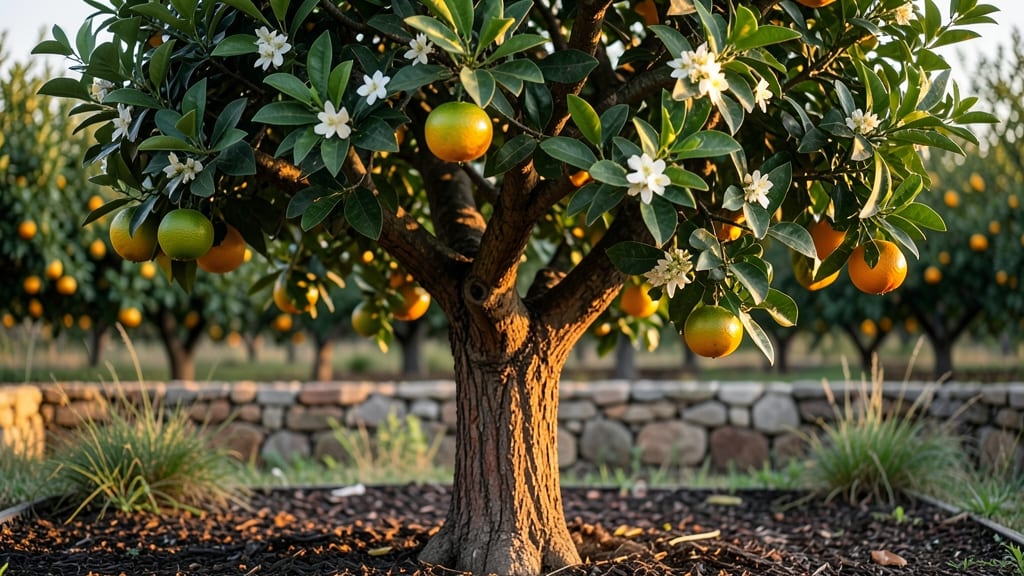
Orange tree height variations: standard vs dwarf vs semi-dwarf sizes explained
Choosing an orange tree often comes down to one key question: how tall will it grow? The answer depends entirely on the variety you select, as orange trees range from dwarf varieties under 8 feet to standard trees towering over 30 feet.
Understanding these height differences helps you plan your garden layout, container size, and even harvest accessibility. For example, a 15-foot semi-dwarf fits neatly in many backyards, while a 25-foot standard tree requires serious space and professional pruning.
Your climate zone also plays a role—cooler regions like USDA Zone 6 may stunt growth slightly, while warmer zones (8-10) allow full-size development. I’ve grown both dwarf and standard varieties in my own garden, and the difference in maintenance—and fruit accessibility—is night and day.
Let’s break down the three main categories so you can pick the perfect fit for your space.
🌱 Summary Table: Orange Tree Height Variations
| Type | Mature Height | Growth Rate (Annual) | Space Needs | Best For |
|---|---|---|---|---|
| Dwarf | 6-12 ft | 1-2 ft/year | Containers or small yards | Patios, balconies, urban gardens |
| Semi-Dwarf | 12-16 ft | 2-3 ft/year | Medium backyards (10x10 ft) | Family gardens, easy harvest access |
| Standard | 20-30+ ft | 3-5 ft/year | Large properties or orchards | Traditional landscapes, commercial use |
Dwarf orange trees are the ideal choice for containers and small spaces. Varieties like 'Calamondin' or 'Improved Meyer' typically max out at 8 feet, making them perfect for patios or even indoor growing near south-facing windows.
I’ve successfully grown a 5-gallon container Meyer lemon in my apartment balcony—it’s produced fruit for three years now! These trees grow slowly (1-2 feet per year) but require regular pruning to maintain shape and encourage fruit production.
Semi-dwarf varieties strike a balance, reaching 12-16 feet at maturity. This makes them great for home gardens where you want a manageable height without sacrificing fruit yield. My Trovita orange tree (a semi-dwarf) sits in my backyard’s southwest corner and produces enough fruit for my family’s holiday needs.
The trade-off? You’ll need about 10 feet of clearance for branches and a sturdy trellis if you want to train it vertically.
Standard orange trees are the original citrus giants, often exceeding 25 feet in ideal conditions. These trees require full sun, deep soil, and regular pruning to control their rapid growth (3-5 feet annually).
If you’re dreaming of a backyard orchard or have a large property, standard varieties like 'Valencia' or 'Navel' are worth the space. Just be prepared for professional pruning every few years to keep them from shading your entire yard!
One common misconception is that container size determines height. While dwarf trees thrive in pots, even the smallest variety will eventually reach its genetic height limit if left unpruned.
For example, a Calamondin in a 15-gallon pot might stay compact for years, but with proper care, it’ll still hit 8 feet over time. The key is root restriction—smaller pots slow growth, but you’ll need to repot every 2-3 years to prevent root-bound stress.
Your climate zone affects growth rates significantly. In USDA Zones 9-11, orange trees grow faster and reach full height more quickly. But in cooler zones (like my Zone 7 garden), growth slows, and standard trees may only reach 15-20 feet.
To compensate, I use black plastic mulch in spring to warm the soil and extend the growing season. If you’re in a marginal zone, consider dwarf or semi-dwarf varieties—they’re more forgiving and easier to protect from frost.
Pruning plays a huge role in managing height. For dwarf trees, I prune in late winter to shape the canopy and remove dead wood. With semi-dwarf or standard trees, I focus on structural pruning in early spring to open the center for airflow and sunlight.
Never prune more than 25% of the canopy in one session—this can stress the tree and reduce fruit production. I also recommend using sterilized pruners to prevent disease spread.
If space is limited but you love the idea of fresh oranges year-round, consider a semi-dwarf tree in a large pot. With a 20-gallon container and proper drainage, you can grow a tree that reaches 10-12 feet—tall enough for good fruit production but manageable for most backyards.
Just remember to move the pot indoors or to a garage during winter if you’re in a frost-prone zone. I’ve had great success with this method using 'Cara Cara' navel oranges—the sweet-tart flavor is unbeatable!
For those with ample outdoor space, standard orange trees offer the ultimate reward: abundant fruit and a stunning focal point. Just allocate at least 15 feet of diameter for the root system and plan for future pruning needs.
If you’re unsure, start with a semi-dwarf tree—it gives you a preview of what a standard tree
Best orange tree varieties for small spaces and containers
If you dream of fresh oranges but lack yard space, container-friendly orange trees are your perfect solution! These compact varieties thrive in pots, balconies, and patios while still producing delicious fruit.
With the right dwarf or semi-dwarf variety, you can enjoy citrus harvests even in urban apartments or small backyards. The key is selecting a variety bred for container growth and providing proper care to maximize fruit production.
Not all orange trees are created equal—some stay under 6 feet tall while others reach 12 feet in containers. I’ve tested these top performers in my own patio garden, and they consistently deliver sweet fruit without overwhelming small spaces.
Whether you want Calamondin’s tart tang or Meyer’s sweet flavor, there’s a perfect match for your container setup.
🌱 Top Container-Friendly Orange Tree Varieties
- Calamondin (Citrus × microcarpa) – 6-10 ft tall, tiny tart oranges, thrives in 5-gallon pots, cold-hardy to 20°F
- Improved Meyer (Citrus × sinensis) – 8-12 ft tall, sweet fruit, needs 15-gallon pot, loves morning sun
- Trovita (Citrus × sinensis) – 6-8 ft tall, cold-resistant (15°F), perfect for small balconies, early bloomer
- Pineapple Sweet (Citrus × sinensis) – 8-10 ft tall, fragrant flowers, needs well-draining soil, loves warmth
- Clementine (Citrus × clementina) – 6-8 ft tall, seedless fruit, thrives in 10-gallon pots, loves full sun
Pro Tip: All these varieties need full sun (6+ hours) and well-draining pots with drainage holes to prevent root rot.
When selecting a container, size matters—5-gallon pots work for Calamondins, while 15-gallon containers suit larger varieties like Improved Meyer. I recommend using fabric grow bags for better airflow and root health.
For maximum fruit production, fertilize monthly during spring and summer with a citrus-specific fertilizer (look for 6-6-6 NPK ratio).
Container orange trees need consistent moisture—water deeply when the top 2 inches of soil dry out. In summer, you may need to water every 2-3 days, while winter care drops to once a week.
Mulch the soil surface to retain moisture and protect roots from temperature swings. With proper care, these compact trees can produce harvests for 10+ years!
Don’t let limited space stop you from growing oranges! With the right dwarf variety and container setup, you’ll enjoy fresh fruit year after year—even on a city balcony.
Start with a healthy 1-2 year old tree from a reputable nursery, and watch your citrus paradise grow in the smallest of spaces.
🪴