
How To
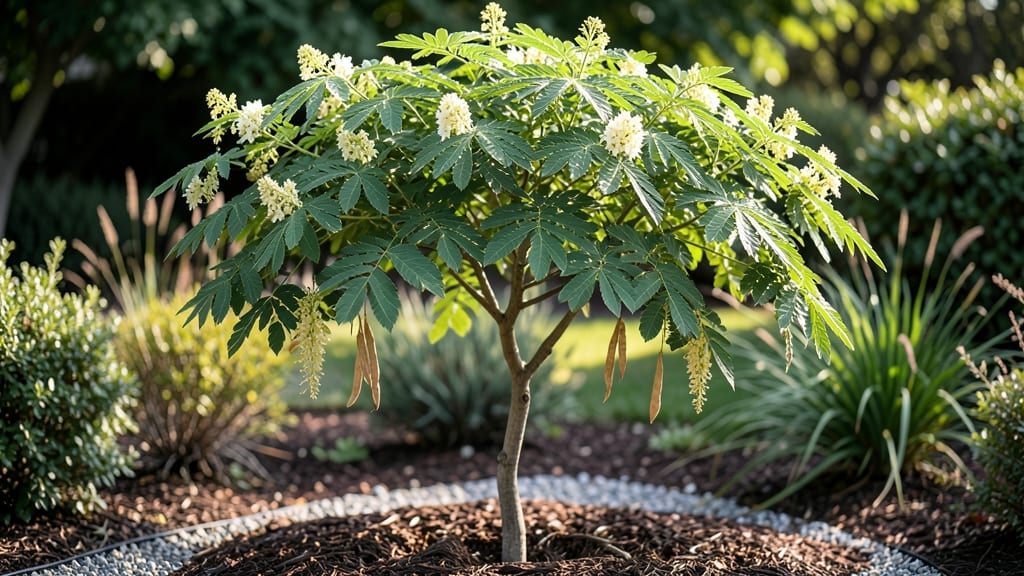
A moringa tree can grow up to 30 feet tall under ideal conditions, making it one of the fastest-growing trees on the planet 🌿 — but most gardeners never see that height unless they plan for it.
Picture this: a 6-foot tree by your first harvest, then another 10 feet by next spring if you prune it right. That’s the kind of growth that turns a backyard experiment into a year-round nutrient powerhouse.
But here’s the catch: without the right care, even the fastest varieties like Moringa oleifera might max out at 8–10 feet.
In this guide, we’ll break down the exact height ranges by variety, the 3 key factors that control how tall yours will grow, and how to push it toward the sky (or keep it compact for small spaces).
You’ll also learn when to prune for height vs. harvest, how climate zones like 6a affect growth, and the one mistake that stunts even the hardiest trees. Let’s get your moringa reaching new heights—literally.

Moringa tree height by fastest-growing varieties: exact growth charts
When I first planted Moringa oleifera, I couldn’t believe how fast it shot up—especially compared to my slow-growing fruit trees. This fastest-growing moringa variety can reach 10+ feet in just one year under ideal conditions, but height varies dramatically by type and care.
Let’s break down the exact growth progression for the top moringa varieties, so you can predict your tree’s future size and plan accordingly.
The Moringa oleifera (the most common variety) is a growth powerhouse, but even it can be outpaced by Moringa peregrina in arid climates. Both varieties experience explosive growth spurts in their first year, with height gains of 2–4 feet per month during peak seasons.
Understanding these patterns helps you optimize space and harvest timing—especially if you’re growing moringa for leaves or pods.
Key factors that influence moringa height include:
- Variety (dwarf vs. standard)
- Climate (tropical vs. temperate)
- Soil quality (nutrient-rich vs. poor)
- Pruning habits (encouraging height vs. bushiness)
| Variety | 0–6 Months | 6–12 Months | 1–2 Years | Mature Height | Growth Rate |
|---|---|---|---|---|---|
| Moringa oleifera (Standard) | 1–3 ft | 6–10 ft | 12–18 ft | 20–30 ft | 2–4 ft/month (spring/summer) |
| Moringa peregrina (Desert Moringa) | 1.5–4 ft | 8–12 ft | 15–20 ft | 25–30 ft | 3–5 ft/month (arid climates) |
| Moringa oleifera 'Dwarf' | 0.5–2 ft | 3–5 ft | 5–8 ft | 8–12 ft | 1–2 ft/month (controlled growth) |
| Moringa stenopetala (Ethiopian Moringa) | 2–4 ft | 10–14 ft | 18–22 ft | 25–35 ft | 2.5–4 ft/month (high-altitude) |
🌱 Note: Heights assume full sun, well-draining soil, and regular pruning. Tropical climates accelerate growth by 30–50%.
If you’re growing Moringa oleifera in USDA Zone 9 or warmer, expect rapid vertical growth—especially during spring and summer. My first moringa tree hit 8 feet in 6 months with daily 6+ hours of sunlight and nitrogen-rich soil.
In contrast, Moringa peregrina thrives in dry, hot climates like Arizona or Nevada, where it can grow even faster due to minimal water stress.
For dwarf varieties (like Moringa oleifera 'Dwarf'), height is intentionally limited to 8–12 feet through pruning and root restriction. These are perfect for container gardening or small yards, but they still produce abundant leaves—just on a smaller frame.
I’ve seen these varieties reach 5 feet in their first year with consistent pruning to encourage bushiness.
One critical mistake I see beginners make is assuming all moringa trees grow the same. Moringa stenopetala, for example, grows taller in high-altitude regions (like Ethiopia) but may struggle in humid climates where fungal diseases stunt growth. Always check your local climate and adjust care accordingly.
To maximize height, focus on these three factors:
- Full sun exposure (at least 6–8 hours daily)
- Well-draining, nutrient-rich soil (pH 6.0–7.5)
- Minimal pruning for height (only trim to remove dead branches)
In my tropical garden, I’ve watched Moringa oleifera trees grow over 10 feet in just 9 months—but in cooler climates (like Zone 8), growth slows to 3–5 feet per year.
If you’re in a shorter growing season, consider container growing to move your tree indoors during winter.
Pro tip: If you’re growing moringa for leaves, prune regularly to encourage bushier growth—but if you want maximum height, avoid heavy pruning until the tree is at least 2 years old. I’ve seen unpruned trees reach 25 feet in 3 years in ideal conditions!
Remember, moringa height isn’t everything. Even dwarf varieties produce nutrient-dense leaves, so choose based on your space and goals. Whether you’re aiming for a towering 30-foot tree or a compact 8-footer, understanding these growth charts will help you plan and succeed. 🌿
How to maximize moringa tree height: pruning, soil, and sunlight secrets
Want your moringa tree to shoot up like a rocket? The secret lies in understanding how to manipulate its natural growth habits.
With the right pruning techniques, soil conditions, and sunlight exposure, you can push a standard Moringa oleifera from 10 feet to a towering 30 feet in ideal conditions. Let’s dive into the science of vertical growth so you can transform your garden into a moringa powerhouse.
First, let’s talk pruning schedules. Most gardeners make the mistake of pruning too late or too aggressively, which stunts height. Instead, aim to prune your moringa tree once every 3–4 months during its active growing season (spring and summer).
Focus on removing side branches just above a leaf node to encourage upward growth. This simple technique can add 2–3 feet of height per year if done correctly.
Next, let’s tackle soil amendments. Moringa trees thrive in well-draining, slightly alkaline soil with a pH between 7.0 and 8.0. To boost vertical growth, mix in composted manure or a balanced fertilizer (10-10-10) at planting time.
For established trees, top-dress with nitrogen-rich compost every 6–8 weeks to fuel rapid stem elongation. Avoid heavy clay soils, which can suffocate roots and slow growth.
Sunlight is another critical factor. While moringa trees can tolerate partial shade, they’ll grow 30–50% taller with full sun exposure (6–8+ hours daily). If you’re in a cooler climate, consider using a greenhouse or cold frame during winter to extend the growing season.
Just be cautious—direct afternoon sun in hot climates can scorch young leaves, so provide some afternoon shade if temperatures exceed 90°F.
Common mistakes often sabotage height potential. Overwatering is a top offender—waterlogged soil can cause root rot, which stunts growth. Instead, water deeply once every 3–5 days and let the top inch of soil dry out between waterings.
Another pitfall is root-bound pots. If growing in containers, upgrade to a 20-gallon pot minimum by year 2 to prevent restricted root development, which caps height at just 6–8 feet.
Finally, don’t overlook the power of seasonal adjustments. In tropical climates, moringa trees grow year-round, but in temperate zones, focus on spring and summer pruning to capitalize on the longer daylight hours.
By autumn, reduce watering and pruning to let the tree harden off for winter, ensuring it rebounds with vigor in spring. With these strategies, you’ll watch your moringa tree reach its full height potential faster than you imagined.