
How To
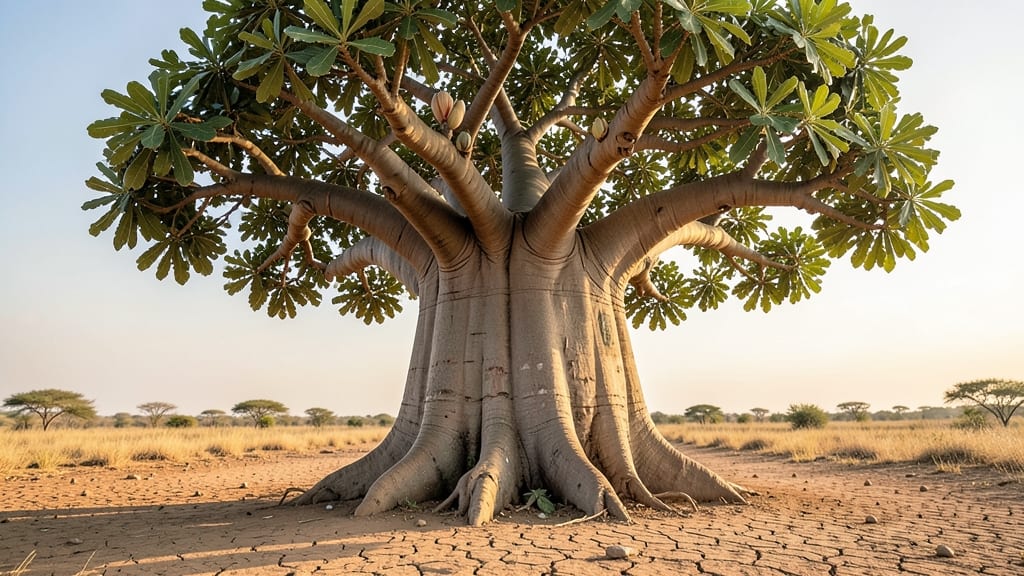
A baobab tree can grow up to 80 feet tall—or even exceed 100 feet in the wild—making it one of nature’s most impressive giants 🌳. Witnessing a towering baobab in person is like standing beside a living skyscraper, its massive trunk and sprawling branches defying gravity.
These ancient trees have dominated landscapes for centuries, but their height depends on far more than just time.
You might assume all baobabs reach skyscraper status, but climate, soil, and species play a huge role in determining whether yours becomes a modest 50-foot sentinel or a record-breaking titan. In Madagascar’s dry forests, for example, some specimens stretch toward the clouds, while others in less ideal conditions stay shorter.
The difference often comes down to how much sunlight, water, and space the tree gets during its early years.
If you’re dreaming of growing your own baobab, the good news is that with the right conditions—well-draining soil, full sun, and minimal interference—you can encourage taller growth.
While most home-grown baobabs won’t hit 100 feet, they can still become striking focal points in a landscape, especially when compared to other iconic trees like redwoods or eucalyptus.
Below, we’ll break down the tallest baobab species, the factors that influence their height, and practical tips to help your tree reach its full potential—whether you’re admiring one in the wild or nurturing a sapling in your own yard.

Baobab tree height records: tallest species and their maximum growth
Baobab trees (Adansonia spp.) are nature's skyscrapers, with some species reaching heights that rival the world's tallest trees.
The African baobab (Adansonia digitata) and grandidieri baobab (A. grandidieri) from Madagascar hold the records for the tallest documented specimens, often exceeding 80 feet and occasionally surpassing 100 feet in ideal conditions.
These giants aren't just tall—they're also some of the oldest living trees, with trunks wide enough to serve as community gathering spots.
While baobabs can't match the 380-foot height of coastal redwoods (Sequoia sempervirens), they make up for it with sheer age and trunk girth.
The tallest baobab ever recorded was a Madagascar grandidieri specimen in the Tsingy de Bemaraha National Park, standing at a staggering 82 feet with a trunk diameter of over 36 feet. This makes it one of the most massive trees by volume, not just height.
| Species | Max Recorded Height | Location | Trunk Diameter |
|---|---|---|---|
| African Baobab (Adansonia digitata) | 75 ft | South Africa (Kalahari Desert) | 30 ft |
| Grandidieri Baobab (A. grandidieri) | 82 ft | Madagascar (Tsingy de Bemaraha) | 36 ft |
| Bailey's Baobab (A. baileyana) | 65 ft | Australia (Northern Territory) | 25 ft |
| Eucalyptus regnans | 380 ft (for comparison) | Australia (Tasmania) | N/A |
The Australian baobab (Adansonia baileyana), while not as tall as its African cousins, still reaches impressive heights of 60-65 feet in optimal conditions.
These trees thrive in the semi-arid regions of Queensland and the Northern Territory, where they've been known to live for over 1,000 years.
Their growth rate is slower than many tropical trees, but their ability to store thousands of gallons of water in their trunks allows them to survive prolonged droughts while still growing upward.
What makes baobabs unique is their inverted growth pattern. Unlike most trees that grow taller first, baobabs develop massive trunks early in life, which provides structural support for their eventual height.
This adaptation explains why some 100-year-old baobabs can already be 50 feet tall—they're built for longevity from the start.
In comparison, coastal redwoods take centuries to reach their full height, growing at a rate of about 2-3 feet per year, while baobabs grow 1-2 feet annually under ideal conditions.
One fascinating case study is the "Sunland Baobab" in South Africa, which reached 75 feet before tragically collapsing in 2011. This specimen was estimated to be over 1,200 years old and had a trunk circumference of 57 feet.
Its fall was a stark reminder of how these ancient trees, while resilient, are vulnerable to extreme weather events like storms. Despite their height, baobabs are surprisingly shallow-rooted, which makes them susceptible to toppling when their massive canopies catch strong winds.
For gardeners dreaming of growing their own baobab, it's important to note that homegrown specimens rarely exceed 30-40 feet. The tallest cultivated baobabs are typically found in botanical gardens in Florida and California, where Adansonia digitata has reached 50 feet with proper care.
The key to maximizing height in a garden setting is providing full sun exposure, well-draining soil, and minimal watering once established. Unlike their wild counterparts, urban baobabs grow slower due to limited space and nutrient competition.
When comparing baobabs to other iconic trees, they don't just compete in height but in lifespan and ecological impact. While sequoias may be taller, baobabs often live 5-10 times longer and play crucial roles in their ecosystems by providing water, shade, and habitat for countless species.
Their ability to store water also makes them keystone species in drought-prone regions, where they support entire food webs during dry seasons.
If you're planning to plant a baobab, remember that height potential is directly tied to growing conditions. Trees in Madagascar's dry deciduous forests grow taller due to nutrient-rich granite soils and distinct wet/dry seasons.
In contrast, baobabs in sandy African savannas often remain shorter due to nutrient-poor soils. The secret to their height lies in their
Climate and soil factors that determine baobab tree height
A baobab tree’s final height isn’t just luck—it’s a mix of climate conditions and soil quality working together. In Madagascar’s dry forests, where Adansonia grandidieri thrives, trees often reach 80+ feet due to low rainfall and nutrient-poor soil forcing deep, sturdy root systems.
Meanwhile, urban baobabs in semi-arid cities like Johannesburg may only hit 30-50 feet due to compacted soil and urban pollution stunting growth.
The temperature range plays a critical role too.
Baobabs in tropical lowlands (like Australia’s Adansonia gibbosa) grow faster with consistent warmth (75–95°F), while those in cooler highlands (e.g., Zimbabwe) grow slower but live longer. Elevation changes also matter—trees at sea level often outpace those above 3,000 feet, where thinner air limits photosynthesis.
🌳 Baobab Height Factors: Pros and Cons
✅ Factors That Boost Height
- Low rainfall (forces deep roots)
- Sandy soil (prevents root rot)
- Full sun (8+ hours daily)
- High elevation (thinner air = slower but taller growth)
❌ Factors That Limit Height
- Urban pollution (soil toxicity)
- Clay soil (waterlogging stunts growth)
- Frequent frost (damages young trees)
- Shade (reduces photosynthesis)
Soil composition is another game-changer. Baobabs in sandy, well-draining soils (like those in South Africa’s Kalahari) grow taller because their roots spread wide to access deep moisture. In contrast, rocky or clay-heavy soils (common in Madagascar’s highlands) restrict root expansion, capping heights at 40-60 feet. Even urban planters struggle—compacted soil in pots or city lots can shrink a baobab’s potential by 30-50%.
Wild-grown baobabs outperform urban specimens because they adapt to natural stressors like drought and wildfire-resistant bark. In cities, regular watering and fertilizer can backfire—overwatering leads to root rot, while excess nutrients cause weak, brittle wood.
My personal tip: Mimic wild conditions by using low-nutrient soil and deep, infrequent watering to encourage natural resilience.
Elevation also shifts the growth equation. At sea level, baobabs in Australia’s Outback grow 20-30% faster than those in Madagascar’s highlands (5,000+ feet). The trade-off? High-altitude trees develop thicker trunks for stability, while lowland trees prioritize height over girth.
For gardeners, this means coastal climates (like USDA Zone 10b) are ideal for maximizing height.
Finally, species genetics interact with climate. The African baobab (Adansonia digitata) hits 60-80 feet in savanna regions, while the grandidieri baobab (A. grandidieri) in Madagascar can exceed 100 feet thanks to its adaptation to extreme dryness.
If you’re growing one in a home garden, choose a drought-tolerant species and replicate its native soil conditions—even a 5-gallon container with sandy loam can yield a 20-foot giant over decades.