
Pruning
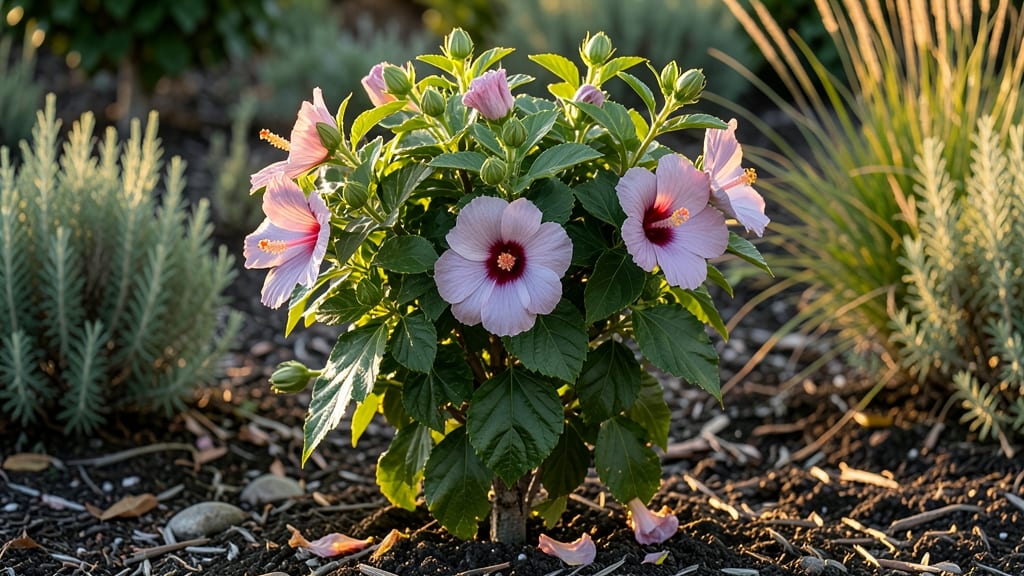
The optimal hibiscus tree temperature range spans 60°F to 90°F, where they flourish in USDA hardiness zones 7 through 11. While they can handle brief cold snaps down to 30°F, temperatures below 25°F cause irreversible damage without proper protection.
Hibiscus trees are tropical plants at heart, so their growth rate and flower production peak when daytime temperatures stay between 70°F and 85°F. 🔥 The roots prefer consistent warmth—below 55°F for extended periods stresses the plant, causing leaf drop or stunted growth.
In colder zones, gardeners often use winter wraps or move potted hibiscus indoors before the first frost to prevent bud damage. The key is balancing their tropical nature with your local climate's extremes.
What many don't realize is that hibiscus trees actually enter a dormancy-like state when nights dip below 50°F, which can trick growers into thinking they're cold-hardy. This temporary slowdown helps them survive brief chills, but prolonged exposure to freezing temperatures kills the plant's delicate stems and leaves.
That's why zone 11 gardeners can grow hibiscus outdoors year-round while zone 7 growers need to take extra winter precautions.
💡 In This Article
- How Temperature Affects Hibiscus Tree Growth and Survival
- Winter Care Tips for Hibiscus Trees in Zones 7-11
How temperature affects hibiscus tree growth and survival
The hibiscus tree's tropical origins mean its growth is directly tied to warmth, particularly in the root zone where temperatures below 60°F trigger stress responses. When daytime highs drop below 65°F, photosynthesis slows dramatically—leaves may yellow or curl as the plant conserves energy.
The real danger comes at night: temperatures below 50°F force the plant into a semi-dormant state, halting flower production entirely. This is why hibiscus trees in zone 11 bloom continuously while those in zone 7 need winter protection to survive.
Heat stress becomes an issue when temperatures exceed 90°F for prolonged periods. The waxy coating on hibiscus leaves helps reflect sunlight, but extreme heat causes wilting and leaf scorch—visible as brown edges or crispy leaf margins.
The roots also suffer in intense heat, as soil temperatures above 85°F can lead to root rot if drainage is poor. Interestingly, hibiscus trees in their native tropical habitats often grow near water sources where humidity stays high, helping them cope with heat better than in dry climates.
This is why gardeners in arid zone 9 areas need to provide afternoon shade during summer.
The most critical temperature threshold is 25°F, where irreversible cellular damage occurs. At this point, the plant's water transport system (xylem vessels) freezes, causing leaf desiccation even if the roots remain unfrozen. The stems become brittle and snap easily under their own weight—a common sight after unexpected late frosts.
What's fascinating is how hibiscus trees handle brief cold snaps: they produce a natural antifreeze compound (similar to evergreens) that protects cell membranes down to 30°F, but only for short durations.
Seasonal adaptation plays a huge role in hibiscus survival. In their natural tropical environment, hibiscus trees experience minimal temperature fluctuations, with nighttime lows rarely dropping below 68°F. This lack of cold acclimation means gardeners in marginal zones must mimic these conditions.
For example, potted hibiscus trees can be moved to a garage or sunroom where temperatures stay above 50°F during winter, while in-ground plants benefit from thick mulch that insulates roots.
The key is maintaining a stable environment—hibiscus trees can't handle sudden temperature swings, which is why they struggle in areas with unpredictable weather patterns.
One often-overlooked factor is soil temperature. Hibiscus roots prefer soil that stays between 65°F and 75°F, which is why planting in well-draining, organic-rich soil helps regulate temperature fluctuations. Dark-colored mulch absorbs heat during the day and releases it slowly at night, creating a microclimate that protects roots.
In contrast, light-colored mulch reflects heat, which can stress the plant in hot climates. This is why professional growers often use black plastic mulch in zone 10 to maintain optimal root temperatures.
Understanding these temperature dynamics helps explain why hibiscus trees in zone 11 can grow year-round while those in zone 7 require winter care. The plant's entire physiology—from flower production to root growth—is finely tuned to tropical conditions.
When temperatures fall outside this range, the hibiscus tree essentially goes into survival mode, prioritizing basic functions over growth and blooming. This is why gardeners in cooler climates often see their hibiscus trees produce fewer flowers unless they provide consistent warmth during the growing season.