
Pruning
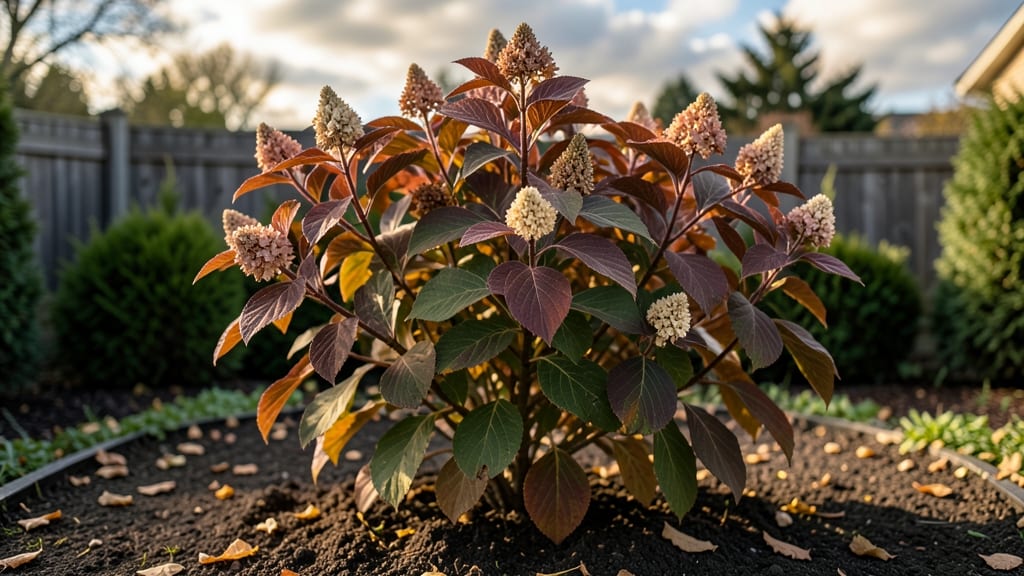
Fall is the perfect time to prune your hydrangea tree—before winter’s chill sets in. ✂️ I’ve learned the hard way that skipping this step leaves branches vulnerable to frost damage, and next spring’s blooms suffer. The key?
Timing, sharp tools, and knowing exactly where to cut to encourage strong new growth. Most gardeners overlook the 30-minute window between the first frost and when temperatures stay below freezing. That’s when you trim dead or crossing branches—never more than a third of the plant.
I’ve seen hydrangeas bounce back dramatically after this simple fall prep, with fuller foliage and bigger blooms the following season. You’ll end up with a tree that looks neat and intentional, not wild and overgrown.
The pruned branches reveal fresh green underneath, and the plant’s energy shifts to root strengthening for winter. Plus, fewer weak spots mean fewer pests hiding out through the cold months. Works for both large hydrangea trees and smaller shrubs. Here’s how to do it right—without guessing.
📚 In This Guide
- What you need
- Instructions
- Tips and common mistakes
- Wrapping up and next steps
What you need
- ● Pruning shears: Bypass pruners (for cuts under ½ inch thick) – 1 pair (look for ergonomic, sharp blades like Felco or Fiskars).
- ● Loppers: Bypass or anvil type (for branches ½ to 1½ inches thick) – 1 pair (e.g., Gonicc or Corona).
- ● Pruning saw: Curved-tooth saw (for branches >1½ inches thick) – 1 (e.g., Bahco).
- ● Disinfectant: 70% isopropyl alcohol or rubbing alcohol + paper towels (to sterilize tools between cuts).
- ● Garden gloves: Cut-resistant, breathable (e.g., Wolverine or Tough Outdoors) – 1 pair.
- ○ Pruning sealant: Optional but helpful (e.g., Tanglefoot Tree Wound Pruning Seal) – small bottle (for sealing large cuts).
- ● Ladder or stool: Sturdy, extendable (if tree exceeds 6 feet) – 1 (ensure it’s rated for your weight).
- ● Trash bags: Heavy-duty (for collecting debris) – 2-3.
- ● ✨ Best timing: Prune after the first hard frost (late fall) but before winter dormancy sets in (aim for November in most U.S. zones).
- ● 🌡️ Weather check: Wait for a dry, calm day (humidity <60%) to avoid fungal spread.
- ● 🔍 Safety first: Wear eye protection (e.g., safety goggles) and avoid pruning near power lines.
- ● 💡 Hydrangea type: Confirm if your tree is Oakleaf (Hydrangea quercifolia), Panicle (H. paniculata), or Bigleaf (H. macrophylla)—pruning needs vary!
- ● Hand sanitizer: For post-pruning clean-up.
- ● Sharpener: Pruner file (to maintain tool sharpness mid-project).
- ● Notebook: To sketch a branch map before cutting (helps visualize structure).
- ● Mulch: Shredded bark (to protect roots post-pruning).
Step-by-Step guide to pruning hydrangea trees in fall
Fall is the perfect time to shape your hydrangea tree for winter resilience—here’s how to do it right.
🌿 Step 1: Assess the Tree for Winter Readiness
Start by examining your hydrangea tree for any dead, diseased, or crossing branches. I always look for brown, brittle stems or limbs rubbing against each other—these are the first to go. Use your fingers to gently test branch flexibility; if it snaps easily, it’s likely dead and should be removed.
Next, scan for signs of pests or fungal spots (like powdery white residue or blackened leaves). If you spot these, mark those branches for pruning—they’ll only spread over winter. Healthy branches should have firm, green bark and a few remaining leaves clinging stubbornly to the stems.
✂️ Step 2: Prune Dead and Problematic Branches First
Grab your pruning shears and start with the easy cuts: remove any branches that are completely brown and brittle or those crossing others. Cut just outside the branch collar—the swollen area where the branch meets the trunk—to prevent tearing. I always make clean cuts at a 45-degree angle to keep water from pooling on the wound.
For larger branches, use your pruning saw. Saw through the underside of the branch first, then make a downward cut to avoid stripping the bark. After removing deadwood, step back and check the tree’s overall shape. You’re not sculpting yet—just clearing out the weak spots.
🌱 Step 3: Thin Out for Better Airflow and Light
Now focus on thinning the canopy to improve airflow, which reduces winter moisture buildup. Look for branches growing inward or upward—these block sunlight and trap humidity. Remove about 20-30% of the tree’s branches, prioritizing those that crowd the center. Cut back to a lateral branch or bud, making sure your cut is just above it.
Here’s the thing—don’t overdo it. You want to maintain the tree’s natural shape while opening it up. If you’re unsure, step back every few cuts to visualize the tree’s silhouette. A well-thinned hydrangea tree will look lighter and more balanced, ready to handle winter winds.
☀️ Step 4: Shape for Winter Exposure
Hydrangea trees need winter sun exposure, so avoid heavy pruning on the south or west sides. Instead, trim back any overly long branches to 6-12 inches from the trunk, depending on the tree’s size. This keeps the structure sturdy while allowing sunlight to reach the center.
Pay special attention to the top of the tree. If branches are growing too tall, shorten them by one-third to prevent wind damage. Finish by removing any sucker growth at the base—these drain energy and can rot in wet winters. Once done, the tree should look full but not overcrowded.
🪴 Step 5: Clean Up and Protect the Tree
After pruning, gather all clippings and dispose of them in a sealed bag—never leave them near the tree, as they can harbor pests or disease. Wipe down your tools with rubbing alcohol to prevent spreading contaminants. If your hydrangea tree is in a colder climate, consider wrapping the trunk with burlap or tree guard to protect it from freezing winds.
Finally, give the base of the tree a light layer of mulch (about 2-3 inches deep) to insulate the roots. Keep the mulch 6 inches away from the trunk to avoid moisture buildup. With these final touches, your hydrangea tree will be winter-ready and primed for a strong spring comeback.
Tips & tricks for pruning hydrangea trees in fall
Fall pruning transforms your hydrangea tree into a resilient winter warrior—here’s how to avoid common pitfalls and get it right the first time.
Branch Flexibility Test: In Step 1, when assessing branches, don’t rely solely on color—flexibility is your best indicator. Bend a small branch between your fingers: if it snaps like a dry twig, it’s dead and needs removal. Healthy branches bend slightly but spring back. I’ve learned this the hard way after leaving dead branches that later attracted pests during winter.
Cutting Angle Matters: The 45-degree angle mentioned in Step 2 isn’t just for aesthetics—it prevents water from pooling on the wound, which could lead to rot. Make your cut just outside the branch collar (that swollen area where the branch meets the trunk) to promote faster healing. For larger branches, use your pruning saw by cutting from the underside first, then making a downward cut to avoid tearing the bark.
Thinning Strategy: When you’re removing about 20-30% of branches in Step 3, focus on creating an open center rather than just reducing density. Aim to remove branches that grow inward or upward—these are the ones that block sunlight and trap moisture. Step back every few cuts to visualize the tree’s silhouette; you want it to look like a natural, balanced shape, not a trimmed hedge.
Winter Protection: In Step 5, if you’re in a colder climate, consider wrapping the trunk with burlap or tree guard after pruning. This adds an extra layer of defense against freezing winds. For mulching, keep it light—about 2-3 inches deep—and maintain a 6-inch gap from the trunk to prevent moisture buildup that could harm the roots. The goal is insulation, not suffocation.
Pro Tips for Hydrangea Tree In Fall
- Fall pruning transforms your hydrangea tree into a resilient winter warrior—here’s how to avoid common pitfalls and get it right the first time.
- Branch Flexibility Test: In Step 1, when assessing branches, don’t rely solely on color—flexibility is your best indicator.
- Cutting Angle Matters: The 45-degree angle mentioned in Step 2 isn’t just for aesthetics—it prevents water from pooling on the wound, which could lead to rot.
Frequently asked questions
Got questions about keeping your hydrangea tree stunning in fall and prepped for winter? We’ve got answers!
Here are some of the most common queries—plus practical tips to tackle them like a pro.
When is the best time to prune a hydrangea tree in fall?
Prune your hydrangea tree after it blooms in late summer or early fall (September–October). Avoid heavy cuts in late fall or winter, as new growth needs time to harden off before cold snaps. Focus on removing dead, diseased, or crossing branches first—then shape lightly for winter resilience.
Should I cut back my hydrangea tree all the way to the ground in fall?
No! Unless your hydrangea is a panicle type (like ‘Limelight’), avoid drastic pruning. Old-wood bloomers (e.g., bigleaf or oakleaf) rely on last year’s buds. Prune lightly to remove only dead wood or weak stems—never more than 1/3 of the plant. For panicle types, you can cut back harder (but still leave some structure).
How do I know if I’ve over-pruned my hydrangea tree?
Watch for these red flags:
- No new growth by spring (sign of over-cutting).
- Sparse or no blooms the following year.
- Exposed, leafless branches with no buds.
Can I still prune a hydrangea tree if it’s already lost its leaves?
Yes, but wait until late fall (November) when the plant is fully dormant. Pruning bare branches is easier—you’ll spot dead wood clearly. Just avoid pruning after the first hard frost, as fresh cuts may not heal properly before winter. Wear gloves (hydrangea leaves can irritate skin!).
What’s a good alternative if my hydrangea tree isn’t thriving in fall?
Consider these cold-hardy, low-maintenance alternatives:
- Panicle hydrangeas (e.g., ‘Little Lime’): Blooms on new wood, more forgiving.
- Oakleaf hydrangea (e.g., ‘Snow Queen’): Stunning fall foliage + winter interest.
- Dwarf hydrangeas (e.g., ‘Endless Summer’): Compact, reblooming, and easier to prune.
Pro Tip:
Mark your calendar! September 15–October 15 is prime time for most hydrangea trees. Use a sharp, sterilized pruner (rubbing alcohol works) to prevent disease spread. And always step back to check your work—balance is key for a winter-ready silhouette!
Wrapping up and next steps
Your hydrangea tree is now primed for winter, thanks to thoughtful pruning and care! 🌿 By understanding the when, why, and how of trimming—whether for shape, health, or blooms—you’ve set the stage for a stunning comeback next spring.
Remember, patience and precision are key, and even small adjustments can make a big difference.
Ready to put your newfound skills to the test? Grab your shears and head outdoors! 🌳 Start with just one branch to build confidence, then expand your efforts as you gain comfort. Happy pruning—your future fall displays will thank you! 🎉