
Size
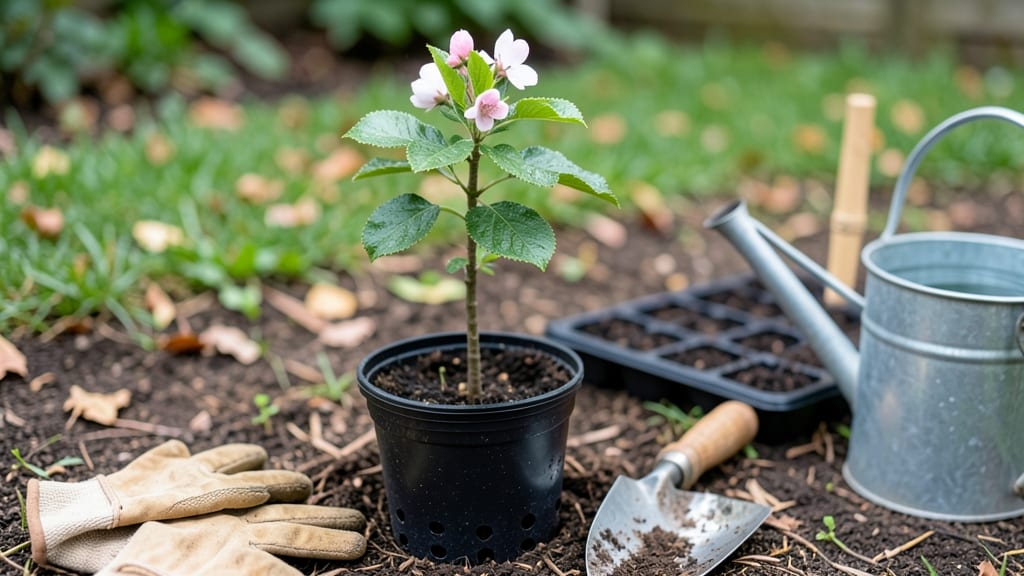
If you plant an apple seed, a tree will grow—but it won’t produce fruit matching the parent apple. The resulting tree may take 10+ years to bear edible fruit (if any), and the tree will likely be weaker due to genetic variability. Success depends on seed viability, proper planting techniques, and patience for maturation.
When you plant an apple seed, you're starting with a single genetic blueprint from one parent—unlike commercial trees, which are carefully grafted from multiple parent varieties. 🌱 This means the tree you grow will have unpredictable traits, like smaller fruit, different flavors, or even poor disease resistance.
I’ve seen homegrown seedlings produce apples that look nothing like the store-bought variety, sometimes with tougher skins or bitter aftertastes. The good news?
With proper care—like choosing fresh seeds, providing well-draining soil, and giving it full sun—you can still end up with a healthy tree, though its fruit may not be what you expected.
For better results, consider saving seeds from heirloom varieties or using grafted trees from nurseries. These methods ensure the tree will produce fruit true to the parent, saving you years of waiting for uncertain rewards.
💡 In This Article
- Why Apple Seedlings Rarely Reproduce the Parent Fruit
- How to Grow an Apple Tree from Seed: Step-by-Step Success Guide
Why apple seedlings rarely reproduce the parent fruit
The reason your homegrown apple tree won’t match the parent fruit comes down to genetics. Apple trees are heterozygous—meaning they carry two different sets of genes for traits like fruit size, color, and flavor.
When you plant a seed, it inherits only one random set of genes from that single parent, creating unpredictable combinations. This is why a seedling from a Fuji apple might produce fruit that’s smaller, redder, or even bitter-tasting compared to the original.
Commercial orchards avoid this variability by using grafting, a technique where a desired variety is attached to a rootstock. This ensures the tree produces fruit identical to the parent. Without grafting, seed-grown trees often develop weak disease resistance and poor fruit quality.
For example, a seedling from a Gala apple might grow into a tree with apples that bruise easily or lack sweetness. The genetic lottery means you could end up with a tree that’s more ornamental than productive!
Another factor is cross-pollination. Apple trees require pollination from another variety to produce fruit, and seedlings often lack compatible pollen sources nearby. Even if the tree flowers, the resulting fruit may be small, misshapen, or inedible.
This is why many seed-grown trees take 10+ years to bear fruit—or never do at all. The uncertainty is part of what makes growing from seed a gamble, rather than a guaranteed outcome.
For comparison, grafted trees like those in orchards are 99% reliable in producing fruit identical to the parent. The rootstock provides hardiness, while the scion (grafted top) delivers the desired fruit traits.
This precision is why commercial growers rely on it—it’s the difference between a predictable harvest and a genetic experiment.
If you’re curious about the science, think of it like rolling dice: each seed is a new roll, and you might get a 7 (a great apple) or a 2 (a tree that barely fruits).
The unpredictability is what makes seed-growing exciting for experimenters, but it’s why most gardeners opt for grafted trees instead.