
Pests
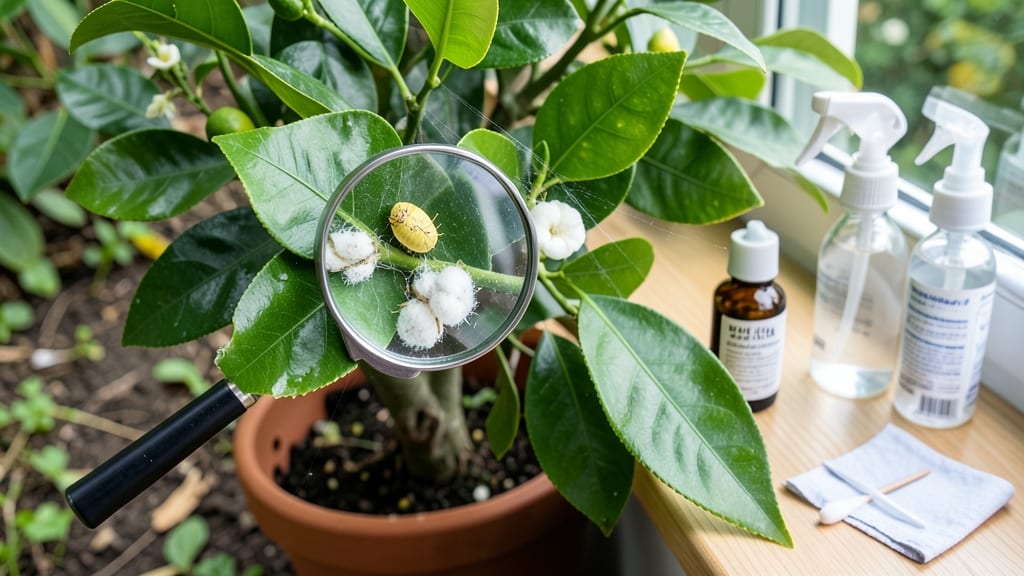
Your once-lush indoor citrus tree now looks like a sad, dusty skeleton—tiny webs, sticky residue, or strange bumps mean pests have moved in. 🌿 The good news? With the right moves, you can save it before the infestation spreads beyond repair.
I’ve nursed back more citrus trees than I’d like to admit, and the secret lies in early detection and targeted action.
Spider mites, scale insects, mealybugs, and aphids are the usual culprits, each leaving telltale signs: fine webbing, waxy bumps, cottony clusters, or honeydew drips. The key is catching them early—before they drain your tree’s energy.
A simple inspection with a magnifying glass (or even a phone camera) can reveal the problem before it’s too late.
You’ll learn how to treat infestations with organic sprays (neem oil, insecticidal soap) or chemical options if needed, plus preventive steps like humidity control, regular pruning, and isolating new plants. Most importantly, you’ll restore your tree’s health—no more wilting branches or lost harvests of homegrown lemons.
Whether you’re dealing with a minor outbreak or a full-blown crisis, this guide gives you the tools to act fast. Let’s get your citrus tree back to thriving—before the pests win.
Root Causes of Indoor Citrus Tree Pests
Indoor citrus trees are delicate beauties that thrive on care—but pests don’t wait for permission to move in. Understanding why these tiny invaders target your tree is half the battle.
Below, we break down the science-backed reasons pests choose your citrus tree as their next home, from environmental triggers to human habits.
Citrus trees love warmth but despise extremes—and pests thrive in the chaos. Here’s why:
- Overheating: Indoor spaces with poor ventilation or direct sunlight (like near windows) can create microclimates where temperatures spike. Pests like spider mites and scale insects adore these conditions because high heat dries out the tree’s leaves, making them easier to feed on (like biting into a crispy apple vs. a juicy one).
- Low Humidity: Indoor air is often dry, especially in winter when heaters run nonstop. This stress weakens the tree’s defenses, releasing volatile organic compounds (VOCs) that attract pests. Think of it like a distress signal: “Help! I’m weak!”
- Cold Drafts: Drafty windows or AC vents can shock the tree, reducing chlorophyll production and making it a nutritional buffet for pests like mealybugs, which target stressed sap.
💡 Pro Tip: Aim for 60–70% humidity near your tree (use a hygrometer) and avoid placing it near vents or radiators. A pebble tray or humidifier can work wonders!
Watering is an art, not a science—but pests turn it into a disaster. Here’s how you’re accidentally inviting them:
| Issue | Why Pests Love It | Pests Attracted |
|---|---|---|
| Overwatering | Soggy soil creates anaerobic conditions, weakening roots and releasing ethanol (yes, like alcohol), which attracts fungus gnats like a pub crawl. | Fungus gnats, root rot (secondary issue) |
| Underwatering | Dry soil stresses the tree, causing it to overproduce sap (a sugary snack for pests). Plus, thirsty trees can’t fight off invaders as well. | Scale insects, mealybugs, spider mites |
| Poor Drainage | Stagnant water in saucers or compacted soil creates breeding grounds for pests and pathogens that weaken the tree. | Mealybugs, aphids, thrips |
🔥 Action Step: Use the finger test—stick your finger 1–2 inches into the soil. If it’s dry, water; if it’s damp, wait. Always use pots with drainage holes!
You wouldn’t think of inviting a spider to a party, but you’re doing it every time you bring home new plants, soil, or tools. Here’s how:
- Contaminated Soil: Store-bought or garden soil can harbor pest eggs or larvae in dormancy. Even “sterilized” bags might miss hitchhiking scale insects or whiteflies.
- Infested Plants: New citrus trees (or nearby houseplants) can carry hidden pests like psyllids or aphids. These spread faster than rumors in a small office.
- Dirty Tools: Pruners, pots, or even your hands can transfer pests from one plant to another. It’s like sharing a fork at a buffet—no one wants that.
- Outdoor Contacts: Moving a citrus tree from outside to indoors? Quarantine it for 2 weeks first. Outdoor pests like citrus leaf miners will hitch a ride.
✨ Prevention Hack: Inspect every new plant under a bright light (use a magnifying glass) before bringing it home. Soak pots in soapy water for 5 minutes to drown hidden pests.
Your citrus tree’s diet directly impacts its pest resistance. Here’s how wrong feeding habits make it a target:
- Excess Nitrogen: Too much nitrogen (common in fast-release fertilizers) leads to soft, sappy growth—a pest magnet. Think of it like a buffet table for aphids and whiteflies.
- Phosphorus Deficiency: Phosphorus helps roots repel pests by boosting natural defenses. Lack of it? Your tree’s immune system weakens.
- Synthetic Chemicals: Overusing pesticides can kill beneficial insects (like ladybugs) that eat pests for you. It’s like nuking your own security guards.
- Salt Buildup: Tap water with high minerals (check your water report) leaves salty residue in soil, stressing the tree and attracting mealybugs.
🌱 Smart Fix: Use a balanced fertilizer (6-6-6 or 10-10-10) and flush soil every 3 months with distilled water to reduce salt buildup. Compost tea can also boost natural pest resistance!
Now that you know why pests crash your citrus party, the next step is spotting them early—and we’ve got you covered there too. Stay tuned!
How to Fix Your Citrus Tree
Now that you’ve identified the culprits wreaking havoc on your indoor citrus tree, it’s time to take action! Below are practical, step-by-step solutions tailored to the most common pests—plus prevention tips to keep your tree thriving long-term. Think of this as your citrus tree first-aid kit! 🌿💪
---
Cause: These sap-sucking pests hide in crevices, leaving sticky residue (honeydew) and stunted growth.
Fix: 1. 🔥 Isolate & Inspect: Move your tree away from others to prevent spreading. Check every leaf, stem, and nook—mealybugs love hiding under leaves! 2. 🍳 DIY Spray Attack: - Mix 1 part rubbing alcohol + 1 part water + a drop of dish soap in a spray bottle. Alcohol dehydrates them, while soap breaks their protective coating. - Spray directly on infested areas (early morning or evening to avoid leaf burn). - Repeat every 3–5 days until they vanish (usually 2–3 weeks). 3. 👨🍳 Manual Removal (For Stubborn Cases): - Dip a cotton swab in 70% isopropyl alcohol and dab each bug individually. - Wipe away honeydew with a damp cloth to prevent mold. 4. 🌡️ Heat Treatment (For Severe Infestations): - Place the tree in a closed, sunny car on a hot day (100°F+). Pests can’t survive extreme heat—check after 1–2 hours and repeat if needed.
💡 Prevention Tips: - Wipe leaves monthly with a neem oil-soaked cloth (neem oil disrupts their life cycle). - Avoid overwatering—mealybugs thrive in damp, sticky environments. - Quarantine new plants for 2 weeks before introducing them to your citrus family.
---
Cause: These microscopic pests spin webs and drain chlorophyll, causing yellowing leaves and a "bronzed" appearance.
Fix: 1. 🥘 Blast Them Away: - Use a strong stream of water (from a hose or shower) to knock them off leaves. Do this every 2–3 days for 2 weeks. - Pro tip: Angle the water under leaves where mites hide! 2. 🔪 Soap & Oil Combo Spray: - Mix 1 tsp mild liquid soap (like Castile) + 1 tsp horticultural oil (or neem oil) in 1 quart of water. - Spray thoroughly, focusing on undersides of leaves. Repeat every 5–7 days. 3. 🌿 Beneficial Predators: - Release predatory mites (like Phytoseiulus persimilis)—they eat spider mites and won’t harm your tree!
💡 Prevention Tips: - Increase humidity around your tree (mites love dry air). Use a pebble tray or humidifier. - Prune yellowing leaves immediately—they’re a buffet for mites! - Avoid over-fertilizing—excess nitrogen attracts them.
---
Cause: These tiny, winged pests cluster on new growth and leave a sticky, sooty mold behind.
Fix: 1. 🕯️ Yellow Sticky Traps: - Hang yellow sticky cards near the tree—whiteflies are drawn to yellow and get trapped. - Replace traps every 2 weeks for maximum effectiveness. 2. 💦 Water Blast + Soap Spray: - Blast leaves with water to dislodge adults, then spray with neem oil solution (1 tsp oil + 1 quart water). - Repeat every 3–4 days until no new flies appear. 3. 🌿 DIY Flypaper: - Coat a cardboard strip with honey or syrup, wrap it in plastic wrap, and hang it near the tree. Whiteflies get stuck!
💡 Prevention Tips: - Check new plants thoroughly before bringing them indoors. - Keep your tree healthy—stressed trees attract pests. Ensure bright, indirect light and well-draining soil. - Wipe leaves weekly with a damp cloth to remove eggs.
---
Cause: These soft-bodied insects cluster on new shoots and excrete honeydew, attracting ants (who "farm" them).
Fix: 1. 👨🍳 Manual Squish: - Pinch or crush clusters with your fingers (gross but effective!). Drop them in soapy water to kill them. 2. 🥘 Insecticidal Soap: - Spray with a store-bought insecticidal soap (like Safer®) or a homemade mix (1 tbsp castile soap + 1 quart water). - Reapply every 5–7 days for 3 weeks. 3. 🌿 Ladybugs to the Rescue: - Introduce ladybugs—they devour aphids and won’t harm your tree!
💡 Prevention Tips: - Disrupt ant trails (ants protect aphids!). Wipe them with vinegar or diatomaceous earth. - Encourage natural predators like lacewings or parasitic wasps (if outdoors). - Avoid over-fertilizing—aphids love tender, new growth.
--- Once pests are gone, boost your citrus tree’s immunity with these easy habits: - 📊 Light: Ensure 6+ hours of bright, indirect light (south or west-facing windows are ideal). - 💧 Water: Let the top 1–2 inches of soil dry between waterings (overwatering = pest paradise). - 🍎 Soil: Use a well-draining citrus potting mix (add perlite or sand if needed). - 🌿 Prune: Trim dead or crowded branches to improve airflow and sunlight penetration.
--- ✨ Final Pro Tip: Patience is key! Some infestations take 4–6 weeks to fully clear. Stay consistent with treatments, and your citrus tree will bounce back stronger than ever. 🍋🌟
Frequently asked questions
What are the first signs my indoor citrus tree has pests?
Look for tiny webs on leaves (spider mites), waxy bumps (scale insects), or cottony clusters (mealybugs). You might also spot sticky residue (honeydew) on leaves or new growth—this attracts ants and signals sap-sucking pests. Check undersides of leaves and leaf joints where pests hide.
Can I use neem oil on all citrus tree pests?
Neem oil works against most common pests like mealybugs, aphids, and spider mites, but it’s not effective for scale insects. For scale, use rubbing alcohol on a cotton swab or insecticidal soap. Always test neem oil on a small leaf first—some trees may develop minor leaf burn with direct sunlight exposure.
How often should I inspect my citrus tree for pests?
Check your tree weekly during active growth (spring-fall) and biweekly in winter when growth slows. Use a magnifying glass or phone camera to spot early signs. Early detection is key—most pests start small and multiply quickly if left unchecked.
Will my citrus tree recover if I treat pests late?
Yes, but recovery depends on the severity. Light infestations respond well to treatment, but heavily damaged trees may take months to regain health. Prune affected leaves/branches immediately, improve growing conditions (light, humidity), and be patient—consistent care helps trees bounce back stronger.
Are there any natural predators I can introduce to my indoor citrus?
Yes! Ladybugs eat aphids, and predatory mites (like Phytoseiulus persimilis) target spider mites. For whiteflies, use yellow sticky traps. Release predators in the evening when they’re most active, and keep your tree healthy—they’ll help maintain balance naturally.